
Bombesin: Physiology and What Research Reports
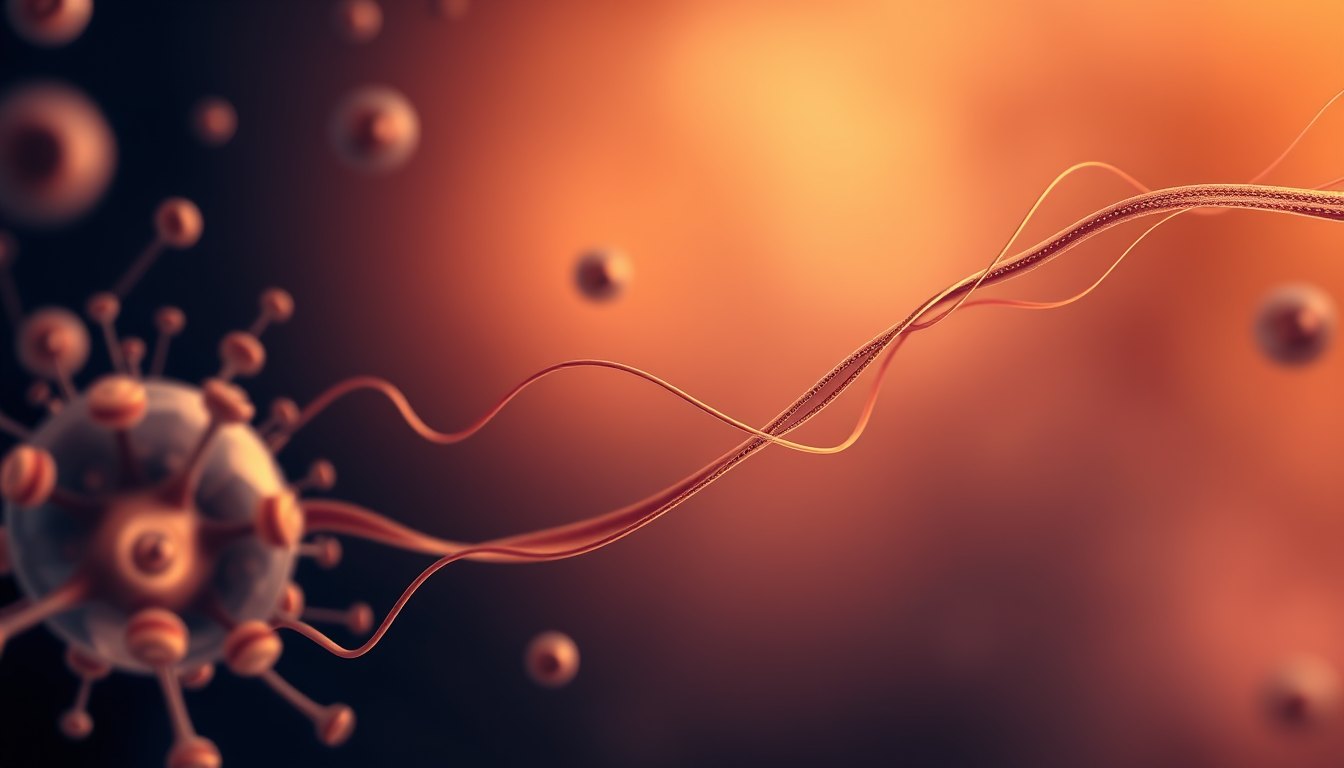
Bombesin is a 14-amino-acid peptide first isolated from frog skin that binds a family of mammalian receptors whose natural ligands are gastrin-releasing peptide and neuromedin B. Published work describes roles in gastric acid and hormone release, satiety signalling, and central neurotransmission. Because bombesin receptors are densely expressed on some tumours, much of the literature is preclinical imaging and receptor-binding research. This page summarises what those studies reported and how bombesin is measured, without giving guidance for use.
What bombesin is
Bombesin is a short peptide of 14 amino acids originally isolated from the skin of the European fire-bellied toad, Bombina bombina, from which it takes its name. A biochemistry review described bombesin as the founding member of a family of structurally related peptides whose mammalian counterparts are gastrin-releasing peptide (GRP) and neuromedin B, and noted that bombesin acts through G-protein-coupled bombesin receptor subtypes that influence gastrointestinal secretion, smooth muscle activity, and hormone release (PMID 31082173). Strictly speaking, bombesin itself is an amphibian peptide; humans do not produce it, but they express the receptors it activates, which is why the term appears so often in mammalian physiology.
This page is for educational purposes only and is not medical advice; consult a licensed physician for any question about health, medication or research participation.
Where the family comes from
The evolutionary relationship between bombesin-like peptides has been examined directly. A reverse-evolutionary study using Xenopus revisited the GRP/bombesin system and reported that the amphibian and mammalian branches of the family could be mapped onto a common ancestral ligand–receptor system, clarifying which peptides are true orthologues of GRP and neuromedin B (PMID 34172791). Newer amphibian members continue to be described: researchers characterised BR-bombesin from the skin secretion of the Chaco tree frog (Boana raniceps) and reported physiological gastric effects for the new peptide (PMID 35279763).
What bombesin does in the body
In mammals, bombesin-family signalling sits at the junction of gut function, endocrine control and central nervous system activity.
Gastrointestinal signalling
The biochemistry review summarised bombesin's classical actions as stimulation of gastrin release and gastric acid secretion, effects on pancreatic and gallbladder function, and contribution to satiety signalling (PMID 31082173). Experimental work has also examined mucosal protection. A study in Annals of Surgery reported bombesin-induced gastroprotection in an experimental model, describing protection of the gastric mucosa against injury (PMID 15650631). Separately, a rat study reported a healing-promoting effect of bombesin treatment on chronic gastric ulcers (PMID 12047914). These were animal and experimental findings, not clinical recommendations.
Endocrine and pituitary effects
A review in Neuro Endocrinology Letters examined the role of bombesin in the mechanism of pituitary hormone release, describing bombesin-family peptides as modulators of hormone secretion at central and pituitary levels (PMID 16264389). Growth-promoting and secretory actions on exocrine tissue have also been probed: a study in rats examined secretory factors and growth stimulation by bombesin in pancreas and salivary glands and reported that lithium altered these bombesin-driven responses (PMID 21789882).
Central nervous system activity
Bombesin receptors are present in brain regions involved in seizure generation. An electrophysiology study in the entorhinal cortex reported that bombesin facilitated GABAergic transmission and depressed epileptiform activity in that region (PMID 23966303). That finding is mechanistic and was conducted in brain tissue, not in people.
Antimicrobial activity of amphibian variants
Because bombesin-like peptides come from amphibian skin secretions, which are rich in host-defence molecules, some variants have been tested for direct antimicrobial action. Researchers reported direct antimicrobial activities of PR-bombesin in a Life Sciences study, indicating that the peptide acted on microorganisms independently of its receptor-mediated endocrine roles (PMID 16263139).
How bombesin is measured and studied
Most contemporary bombesin research does not measure circulating bombesin in humans — it uses bombesin sequences as tools to find and label bombesin receptors.
- Receptor binding and expression studies. Tissue studies quantify how much receptor is present and how tightly labelled bombesin analogues bind. One study examined expression and ligand binding of bombesin receptors in pulmonary and intestinal carcinoids and reported receptor expression in these neuroendocrine tumour types (PMID 21060250).
- Radiolabelled peptide chemistry. A 2024 report described development and synthesis of bombesin-based radiopharmaceutical precursors modified with knottin scaffolds, work aimed at improving the stability and targeting of bombesin-derived tracers (PMID 39539754).
- Nanoprobe and multimodal constructs. Researchers characterised the fluorescent, plasmonic and radiotherapeutic properties of a 177Lu-dendrimer-gold-nanoparticle-folate-bombesin nanoprobe and reported its behaviour inside cancer cells (PMID 28654384).
- Functional physiology. Gastric secretion, mucosal injury scoring, hormone assays and brain-slice electrophysiology are the classic readouts, as used in the gastroprotection, ulcer-healing, pituitary and entorhinal cortex studies cited above (PMID 15650631).
Summary table of reported research directions
| Research area | What the study reported | Model |
|---|---|---|
| Gastric mucosa | Bombesin-induced gastroprotection (PMID 15650631) | Experimental animal |
| Ulcer healing | Healing-promoting effect on chronic gastric ulcer (PMID 12047914) | Rat |
| Endocrine | Role in pituitary hormone release reviewed (PMID 16264389) | Review |
| CNS excitability | Facilitated GABAergic transmission, depressed epileptiform activity (PMID 23966303) | Entorhinal cortex |
| Oncology imaging | Receptor expression and ligand binding in carcinoids (PMID 21060250) | Human tumour tissue |
| Tracer chemistry | Knottin-modified bombesin radiopharmaceutical precursors synthesised (PMID 39539754) | In vitro / chemistry |
Doing the math on a vial? The PeptideU app does reconstitution, units and dilution for you.
Try it freeWhy the term matters to peptide readers
Readers usually meet "bombesin" in one of three contexts. First, as a textbook gut hormone analogue — the peptide that helped define gastrin-releasing peptide physiology (PMID 31082173). Second, as a receptor name: bombesin receptor subtypes appear in oncology literature because some tumours overexpress them, which is the rationale behind the carcinoid receptor-binding study (PMID 21060250). Third, as a targeting sequence in diagnostic and experimental radiochemistry, as in the knottin-modified precursor work (PMID 39539754).
It is worth being precise about what the evidence base is. The bombesin literature summarised here is overwhelmingly preclinical: animal models, isolated tissue, cell culture and synthetic chemistry. No study in this set established a human therapeutic use, and the radiolabelled constructs described were research probes (PMID 28654384).
Bombesin Research Limitations: What Studies Report
Adverse-event data for bombesin in humans are not characterised in the papers reviewed here. The cited reports focused on mechanism and feasibility rather than safety endpoints: the gastroprotection and ulcer studies reported mucosal outcomes in animals (PMID 12047914), and the lithium study reported changes in bombesin-driven secretory and growth responses in rat pancreas and salivary glands rather than tolerability (PMID 21789882). Growth-stimulating activity on exocrine tissue is itself a reason researchers treat bombesin-family agonism cautiously in the context of proliferative disease (PMID 21060250). Species differences also matter: the reverse-evolutionary analysis showed that amphibian and mammalian family members are not interchangeable ligands (PMID 34172791).
Tracking research? Log entries with dates, lots and notes — records, never plans.
Get the appReferences
- Biochemistry, Bombesin (StatPearls, 2026)
- Bombesin-induced gastroprotection (Annals of Surgery, 2005)
- Direct antimicrobial activities of PR-bombesin (Life Sciences, 2006)
- The role of bombesin in the mechanism of pituitary hormones release (Neuro Endocrinology Letters, 2005)
- Development and Synthesis of Bombesin-Based Radiopharmaceutical Precursors Modified with Knottin (Sovremennye Tekhnologii v Meditsine, 2024)
- Healing-promoting effect of bombesin treatment on chronic gastric ulcer in rats (Regulatory Peptides, 2002)
- Expression and ligand binding of bombesin receptors in pulmonary and intestinal carcinoids (Journal of Endocrinological Investigation, 2011)
- Effect of lithium on secretory factors and growth stimulation by bombesin in rat pancreas and salivary glands (Chinese Journal of Physiology, 2010)
- Bombesin facilitates GABAergic transmission and depresses epileptiform activity in the entorhinal cortex (Hippocampus, 2014)
- Fluorescent, Plasmonic, and Radiotherapeutic Properties of the 177Lu-Dendrimer-AuNP-Folate-Bombesin Nanoprobe Located Inside Cancer Cells (Molecular Imaging, 2017)
- The gastrin-releasing peptide/bombesin system revisited by a reverse-evolutionary study considering Xenopus (Scientific Reports, 2021)
- BR-bombesin: a novel bombesin-related peptide from the skin secretion of the Chaco tree frog (Boana raniceps) with physiological gastric effects (Amino Acids, 2022)
Frequently asked questions
What is bombesin?▾
Bombesin is a 14-amino-acid peptide first isolated from amphibian skin and the founding member of a peptide family that includes the mammalian peptides gastrin-releasing peptide and neuromedin B. A biochemistry review described it as acting through G-protein-coupled bombesin receptors that influence gastric acid and gastrin release, smooth muscle activity, and satiety signalling (PMID 31082173).
Do humans produce bombesin?▾
Humans do not produce bombesin itself; the peptide is amphibian in origin. Humans express the receptors it activates, whose natural ligands are gastrin-releasing peptide and neuromedin B (PMID 31082173). A reverse-evolutionary study using Xenopus mapped how amphibian and mammalian members of this family relate to a common ancestral ligand–receptor system (PMID 34172791).
What did studies report about bombesin and the stomach?▾
A study in Annals of Surgery reported bombesin-induced gastroprotection in an experimental model, describing protection of gastric mucosa against injury (PMID 15650631). A separate rat study reported a healing-promoting effect of bombesin treatment on chronic gastric ulcers (PMID 12047914). Researchers also reported physiological gastric effects for BR-bombesin, a related peptide from Chaco tree frog skin secretion (PMID 35279763).
Why does bombesin appear in cancer imaging research?▾
Some tumours overexpress bombesin receptors, making bombesin sequences useful targeting tools. One study reported receptor expression and ligand binding in pulmonary and intestinal carcinoids (PMID 21060250). A 2024 report described synthesis of knottin-modified bombesin radiopharmaceutical precursors (PMID 39539754), and another characterised a 177Lu-dendrimer-gold-nanoparticle-folate-bombesin nanoprobe inside cancer cells (PMID 28654384).
Does bombesin affect the brain?▾
Bombesin receptors occur in brain regions linked to seizure activity. An electrophysiology study reported that bombesin facilitated GABAergic transmission and depressed epileptiform activity in the entorhinal cortex (PMID 23966303). A separate review examined bombesin's role in the mechanism of pituitary hormone release (PMID 16264389). Both were mechanistic findings in tissue or review form, not clinical outcomes.
Are bombesin-related peptides antimicrobial?▾
Some amphibian variants have been tested for that property. Researchers reported direct antimicrobial activities of PR-bombesin in a Life Sciences study, indicating activity against microorganisms separate from receptor-mediated endocrine signalling (PMID 16263139). This reflects the broader pattern that frog skin secretions contain host-defence peptides alongside hormone-like sequences.
What are the main limits of the bombesin literature?▾
The available work is largely preclinical. Gastric findings came from animal models (PMID 12047914), endocrine and secretory data from rat tissue studies such as the lithium experiment on pancreas and salivary glands (PMID 21789882), and imaging work from chemistry and cell models (PMID 39539754). Human safety endpoints were not characterised in these reports, and species differences limit direct extrapolation.
Track it. Calculate it. Actually understand it.
References
This page summarises published research for education — it is not medical advice, and nothing here is a recommendation to use, purchase, or dose any substance. Study parameters described are what researchers reported, not instructions. Consult a qualified clinician before any health decision.