
Epoetin Alfa: Physiology and What Research Reports
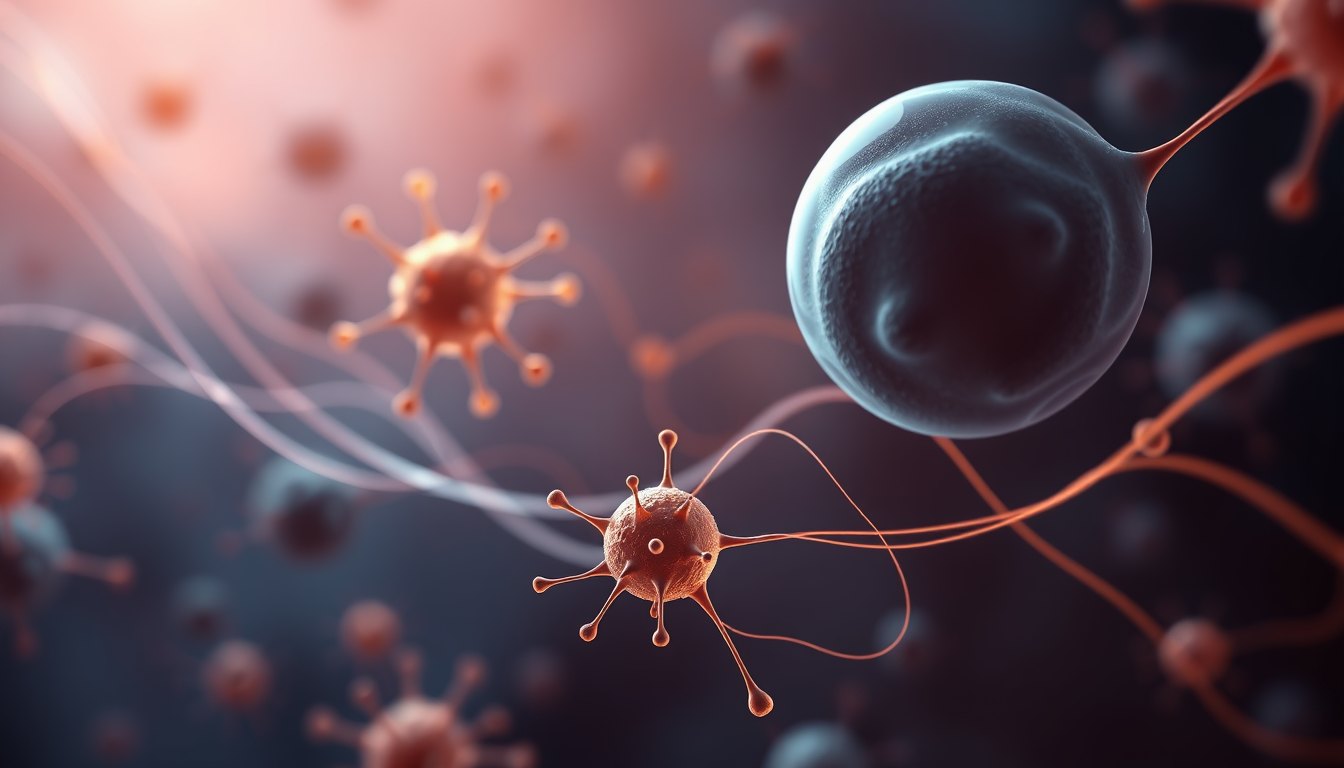
Epoetin alfa is a recombinant form of human erythropoietin, the glycoprotein hormone produced mainly by the kidney that drives red blood cell production in bone marrow. Published research has examined it in dialysis-associated anaemia, compared it with biosimilar and analogue versions, analysed its glycan structure in doping-control laboratories, and explored non-erythropoietic effects in cell and animal models. This page summarises what those studies reported. It is educational and does not describe protocols or recommend use.
What Epoetin Alfa Is
Epoetin alfa is a recombinant version of erythropoietin (EPO), a glycoprotein hormone of roughly 165 amino acids that regulates the production of red blood cells. Because it is manufactured in mammalian cell culture rather than extracted from human tissue, it is described in the literature as a recombinant human erythropoietin, and it is grouped with other erythropoiesis-stimulating agents such as darbepoetin alfa and peginesatide.
Strictly speaking, epoetin alfa is a glycoprotein rather than a small peptide, but it appears in peptide and protein-therapeutic libraries for a simple reason: it is one of the best-characterised examples of a recombinant signalling protein whose carbohydrate structure, not just its amino-acid sequence, determines how it behaves. Analytical work comparing several erythropoietin biosimilars with an original epoetin alfa product reported structural differences in N-glycans between products using electrophoretic methods of the kind used in doping-control analysis (analysis of Epotin, Hemax and Jimaixin versus Eprex). That work illustrates how closely related biologics can be distinguished at the molecular level.
Where Erythropoietin Is Produced and What It Does
Endogenous erythropoietin is produced predominantly by specialised interstitial cells in the kidney cortex, with a smaller contribution from the liver, and is released in response to reduced tissue oxygen tension. It circulates to the bone marrow, where it binds the erythropoietin receptor on erythroid progenitor cells, supporting their survival, proliferation and maturation into circulating red blood cells. This oxygen-sensing loop explains why anaemia is a common feature of advanced kidney disease: when functioning kidney tissue is lost, the erythropoietin signal falls.
Receptors beyond the bone marrow
Erythropoietin receptors have also been described outside the erythroid lineage, which is the basis for a research literature on so-called non-erythropoietic or tissue-protective effects. A cell-culture study in pig tubular and mouse mesangial cells reported cytoprotective effects of darbepoetin and epoetin alfa in those renal cell models (Kidney International, 2004). A review of neuroprotective properties of epoetin alfa discussed evidence that the hormone acts on nervous-system tissue in addition to erythroid precursors (Nephrology Dialysis Transplantation, 2002).
How Epoetin Alfa Is Measured and Studied
Research on epoetin alfa uses several distinct methodological approaches, and it helps to keep them separate when reading the literature.
| Approach | What it measures | Example from the cited literature |
|---|---|---|
| Pharmacokinetics / pharmacodynamics | Serum concentrations over time plus reticulocyte or haemoglobin response | A single-dose subcutaneous comparison of two epoetin alfa formulations in healthy male volunteers reported comparable pharmacokinetics and pharmacodynamics |
| Randomised clinical comparison | Haemoglobin control and dose requirements between products | A randomised controlled trial of subcutaneous epoetin alfa-epbx versus epoetin alfa in end-stage kidney disease (Kidney International Reports, 2019) |
| Analytical chemistry | Isoform pattern and N-glycan structure | Electrophoretic and glycan comparison of erythropoietin biosimilars against an originator product (2021) |
| Pharmacoepidemiology | Safety signals in large treated populations | A relative safety evaluation of peginesatide and epoetin alfa (Pharmacoepidemiology and Drug Safety, 2014) |
| Preclinical models | Cell survival, behaviour, tissue endpoints | Cytoprotection in renal cell lines (2004) and behavioural testing in rats (2025) |
This page is for educational purposes only and is not medical advice; consult a licensed physician for any question about anaemia, kidney disease or any medication.
Doing the math on a vial? The PeptideU app does reconstitution, units and dilution for you.
Try it freeWhat the Clinical Literature Reports
Anaemia of end-stage kidney disease
Most of the clinical record concerns anaemia management in dialysis populations. An intravenous comparison in end-stage kidney disease examined epoetin alfa-epbx, a biosimilar, against epoetin alfa and reported on haemoglobin response and dosing requirements in that setting. A parallel randomised controlled trial used the subcutaneous route in end-stage kidney disease and also compared epoetin alfa-epbx with epoetin alfa. Separately, a comparative efficacy and safety study in Egyptian haemodialysis patients examined darbepoetin alfa versus epoetin alfa for anaemia associated with end-stage renal disease, the two agents differing in glycosylation and therefore in circulating half-life.
Dosing systems in hospitals
Because erythropoiesis-stimulating agents are titrated to a haemoglobin target rather than given at a fixed amount, health-systems research has looked at who manages the titration. A study of a pharmacist-driven dosing service for hospitalised patients evaluated epoetin alfa-epbx dosing under pharmacist management. Readers should note that the present page does not summarise dosing amounts; the cited papers describe their own protocols.
Explored non-anaemia indications
Researchers have also tested epoetin alfa outside haematology. A long-term study in Friedreich ataxia assessed the effect of epoetin alfa on clinical and biochemical markers over an extended follow-up period. In animal work, a 2025 study reported a potent anxiolytic effect of epoetin alfa in naive female rats. These lines of work are exploratory and were not described as establishing a clinical role.
Safety Findings: What Studies Report
Erythropoiesis-stimulating agents carry well-known cardiovascular and thrombotic concerns, and the verified literature approaches safety comparatively rather than in absolute terms.
- A pharmacoepidemiological analysis compared the relative safety of peginesatide and epoetin alfa in treated populations.
- A comparative study in Egyptian haemodialysis patients reported on safety as well as efficacy for darbepoetin alfa versus epoetin alfa in end-stage renal disease.
- In a paediatric population with ventricular assist devices, investigators asked directly whether epoetin alfa was safe in that thrombosis-prone group.
- Biosimilar trials in end-stage kidney disease reported safety alongside haemoglobin outcomes, both by the intravenous route and the subcutaneous route.
None of these reports should be read as a general statement of risk for any individual. Each study defined its own population, comparator and endpoints.
Tracking research? Log entries with dates, lots and notes — records, never plans.
Get the appWhy the Term Matters to Readers of Peptide Literature
Epoetin alfa appears frequently in three contexts a reader may encounter. First, it is a regulated prescription biologic used in nephrology and oncology, so it is not a research-only material. Second, it is a named substance in anti-doping science, which is why analytical papers such as the glycan comparison of biosimilars were framed around doping-control methods. Third, it functions as a case study in biosimilarity: the epoetin alfa-epbx trials in the intravenous setting and the formulation comparison in healthy volunteers that reported comparable pharmacokinetics and pharmacodynamics after a single subcutaneous administration show how regulators and researchers establish that two biologic products behave alike.
Open Questions in the Literature
- Whether the tissue-protective effects seen in cell models, such as the cytoprotection reported in pig tubular and mouse mesangial cells, translate to clinical benefit.
- Whether neuroprotective signals discussed in earlier reviews of epoetin alfa can be separated from erythropoietic effects.
- How structural differences among biosimilar erythropoietins detected by glycan analysis relate, if at all, to clinical behaviour.
- How behavioural findings in rodents, such as the anxiolytic effect reported in naive female rats, should be interpreted across species and sexes.
Want the full course? Every compound, evidence-graded and cited, inside PeptideU.
Start learning freeReferences
- Pharmacist-driven epoetin alfa-epbx dosing for hospitalized patients (AJHP, 2023)
- Evaluation of erythropoietin biosimilars Epotin, Hemax and Jimaixin by electrophoretic methods used for doping control analysis and specific N-glycan analysis revealed structural differences from original epoetin alfa drug Eprex (Journal of Pharmaceutical and Biomedical Analysis, 2021)
- Intravenous Epoetin Alfa-epbx versus Epoetin Alfa for Treatment of Anemia in End-Stage Kidney Disease (CJASN, 2018)
- Relative safety of peginesatide and epoetin alfa (Pharmacoepidemiology and Drug Safety, 2014)
- Cytoprotection by darbepoetin/epoetin alfa in pig tubular and mouse mesangial cells (Kidney International, 2004)
- Epoetin alfa has a potent anxiolytic effect on naive female rats (BMC Pharmacology & Toxicology, 2025)
- Epoetin alfa in Pediatric Patients With Ventricular Assist Devices: Is It Safe? (JPPT, 2022)
- Comparative Efficacy and Safety Study of Darbepoetin Alfa versus Epoetin Alfa in Management of Anemia Associated with ESRD in Egyptian Hemodialysis Patients (Current Drug Safety, 2022)
- Randomized Controlled Trial of Subcutaneous Epoetin Alfa-epbx Versus Epoetin Alfa in End-Stage Kidney Disease (Kidney International Reports, 2019)
- Long-term effect of epoetin alfa on clinical and biochemical markers in Friedreich ataxia (Movement Disorders, 2016)
- Neuroprotective properties of epoetin alfa (Nephrology Dialysis Transplantation, 2002)
- Comparable pharmacokinetics and pharmacodynamics of two epoetin alfa formulations Eporon and Eprex following a single subcutaneous administration in healthy male volunteers (Drug Design, Development and Therapy, 2017)
Frequently asked questions
What is epoetin alfa in simple terms?▾
Epoetin alfa is a recombinant version of erythropoietin, the kidney-derived glycoprotein hormone that signals bone marrow to produce red blood cells. It is manufactured in cell culture and studied mainly in anaemia associated with kidney disease, where randomised trials have compared it with biosimilar products such as epoetin alfa-epbx (PMID 29921734, PMID 31517143).
Is epoetin alfa a peptide or a protein?▾
It is a glycosylated protein rather than a short peptide, and its sugar chains matter as much as its amino-acid sequence. Analytical work using doping-control electrophoretic methods and N-glycan analysis reported structural differences between several erythropoietin biosimilars and an original epoetin alfa product (PMID 33234415), showing how glycan patterns distinguish otherwise similar biologics.
Where is erythropoietin normally produced in the body?▾
Endogenous erythropoietin is produced chiefly by interstitial cells in the kidney cortex, with a minor hepatic contribution, and release increases when tissue oxygen delivery falls. It acts on erythropoietin receptors on marrow erythroid progenitors. Receptors described outside the marrow underpin research on tissue-protective actions, including cytoprotection reported in renal cell models (PMID 14717915).
What has research reported outside anaemia?▾
Exploratory work extends beyond red cell production. A review discussed neuroprotective properties of epoetin alfa (PMID 11812906), a long-term study assessed clinical and biochemical markers in Friedreich ataxia (PMID 26879839), and a 2025 animal study reported a potent anxiolytic effect in naive female rats (PMID 39876022). These findings are exploratory rather than established clinical roles.
How do researchers compare epoetin alfa with biosimilars?▾
Comparisons combine pharmacokinetic and pharmacodynamic studies with randomised clinical trials. One study in healthy male volunteers reported comparable pharmacokinetics and pharmacodynamics for two epoetin alfa formulations after a single subcutaneous administration (PMID 29138535), while trials in end-stage kidney disease compared epoetin alfa-epbx with epoetin alfa by intravenous and subcutaneous routes (PMID 29921734, PMID 31517143).
What does the literature report about safety?▾
Safety is usually examined comparatively. A pharmacoepidemiological analysis compared the relative safety of peginesatide and epoetin alfa (PMID 24905967), a haemodialysis study reported safety and efficacy for darbepoetin alfa versus epoetin alfa (PMID 34814819), and a paediatric report examined whether epoetin alfa was safe in children with ventricular assist devices (PMID 35558345).
Why does this page not list doses?▾
Erythropoiesis-stimulating agents are titrated to laboratory targets under medical supervision, and each cited study defined its own protocol and population. Health-systems research has even evaluated pharmacist-driven epoetin alfa-epbx dosing services for hospitalised patients (PMID 36680797). This page is for educational purposes only and is not medical advice; consult a licensed physician with clinical questions.
Track it. Calculate it. Actually understand it.
References
This page summarises published research for education — it is not medical advice, and nothing here is a recommendation to use, purchase, or dose any substance. Study parameters described are what researchers reported, not instructions. Consult a qualified clinician before any health decision.