
Vitellogenin: Physiology and What Research Reports
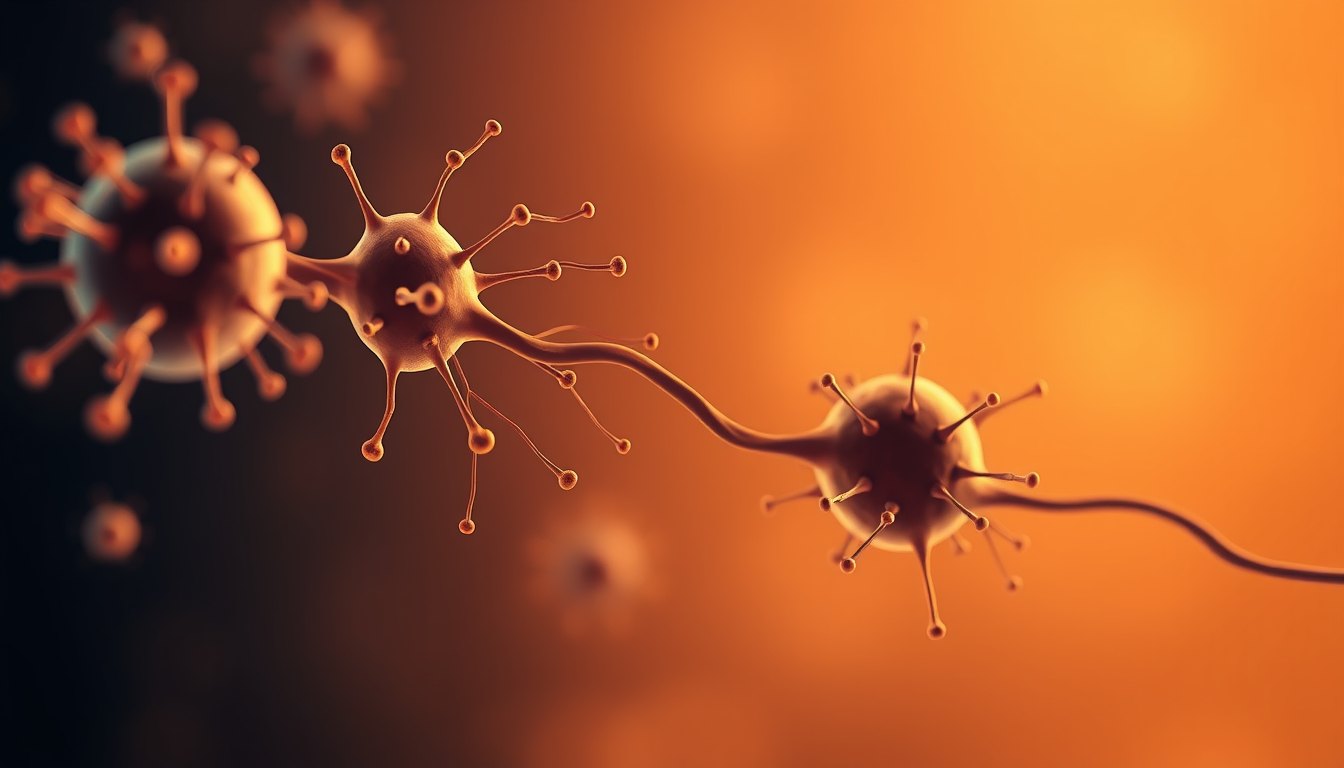
Vitellogenin (Vg) is a large lipid- and carbohydrate-carrying protein that serves as the precursor of egg yolk in egg-laying animals. It is typically made outside the ovary, circulates in hemolymph or blood, and is pulled into developing eggs by a dedicated vitellogenin receptor. Published work also describes non-yolk roles in social insects, males, immunity, symbiont transmission and aging. Most of this literature is in insects, mites and fish rather than humans, and none of it involves administering vitellogenin to people.
What vitellogenin is
Vitellogenin (usually abbreviated Vg) is a large phospholipoglycoprotein that acts as the precursor of the major egg-yolk storage proteins in oviparous animals, including insects, mites and fish. In the classical picture, vitellogenin is synthesised in a tissue outside the ovary, secreted into circulating fluid (hemolymph in arthropods, blood plasma in vertebrates), and then captured by growing oocytes through receptor-mediated uptake, where it is cleaved and stored as vitellin to nourish the embryo.
Vitellogenin is not a single gene in most species. Researchers who examined the brown planthopper described both vitellogenin and separate vitellogenin-like genes in that insect (PMID 31620015), and a comparative analysis of bumble bees reported that vitellogenin and vitellogenin-like genes form an evolving gene family shaped by duplication and divergence (PMID 34257940). That family structure is one reason the term appears with different meanings across papers: the "classical" yolk vitellogenin and its relatives are not interchangeable.
Where it is produced and how it reaches the egg
The best-described route is fat body synthesis followed by receptor-mediated endocytosis into the oocyte. A molecular characterisation in the whitefly Bemisia tabaci reported both a vitellogenin and a vitellogenin receptor gene, describing the two as a linked pair in yolk accumulation (PMID 27159161). In the silkworm Bombyx mori, the study of the vitellogenin receptor reported that the receptor selectively endocytoses female-specific and highly expressed hemolymph proteins, indicating that its cargo is not limited to vitellogenin alone (PMID 28376312).
The rule that vitellogenin is made only outside the ovary is not absolute. Work in the mosquito Culex quinquefasciatus reported that vitellogenin genes are transcribed in the ovary itself, not solely in the fat body (PMID 37466532). Expression is also state-dependent: in the predatory mite Neoseiulus barkeri, researchers characterised vitellogenin genes and the vitellogenin receptor across reproductive diapause, a physiological state in which reproduction is suspended (PMID 32225063).
Vertebrate egg-layers
Fish use the same basic logic. In the annual killifish Nothobranchius guentheri, the study examined oogenesis alongside vitellogenin-mediated ovarian degeneration and immune response, linking the yolk protein system to both reproduction and immunity in one species (PMID 28478259).
Functions reported beyond egg yolk
A recurring theme in the literature is that vitellogenin has been co-opted for jobs unrelated to yolk. In honey bees, researchers described the social exploitation of vitellogenin, in which the protein is used by workers in a social context rather than only for a female's own egg production (PMID 12566563). Males are not excluded either: a study in the green lacewing Chrysopa pallens reported that male vitellogenin regulates gametogenesis through a testis-enriched big protein (PMID 37707297).
Vitellogenin also intersects with microbial biology. In the small brown planthopper Laodelphax striatellus, the study reported that vertical transmission of the endosymbiont Wolbachia was associated with host vitellogenin, tying the yolk-uptake pathway to how a bacterium reaches the next generation (PMID 30233514).
Doing the math on a vial? The PeptideU app does reconstitution, units and dilution for you.
Try it freeHow vitellogenin is studied
The verified literature summarised here relies on a small set of laboratory approaches:
- Gene identification and phylogenetics — cloning and comparing vitellogenin and vitellogenin-like sequences across species, as reported in bumble bees (PMID 34257940).
- Tissue- and stage-specific expression profiling — measuring where and when transcripts appear, as in the oilseed rape pest Meligethes aeneus (PMID 28901720) and in mosquito ovary tissue (PMID 37466532).
- Receptor and uptake experiments — testing which circulating proteins a vitellogenin receptor internalises, as reported in silkworm (PMID 28376312).
- Physiological-state comparisons — contrasting reproducing and diapausing animals, as in predatory mites (PMID 32225063).
What studies reported, by system
| Model | What researchers reported | Source |
|---|---|---|
| Brown planthopper | Vitellogenin and separate vitellogenin-like genes described in one insect | PMID 31620015 |
| Culex mosquito | Vitellogenin genes transcribed in the ovary | PMID 37466532 |
| Silkworm | Vitellogenin receptor selectively endocytosed female-specific, highly expressed hemolymph proteins | PMID 28376312 |
| Honey bee | Social exploitation of vitellogenin by workers | PMID 12566563 |
| Green lacewing | Male vitellogenin regulated gametogenesis via a testis-enriched big protein | PMID 37707297 |
| Small brown planthopper | Vertical transmission of Wolbachia associated with host vitellogenin | PMID 30233514 |
Tracking research? Log entries with dates, lots and notes — records, never plans.
Get the appVitellogenin, aging and reproductive decline: What Studies Report
Vitellogenin is sometimes discussed in aging biology because too much of it has been linked to cellular problems rather than only to fertility. A 2023 report described how vitellogenin accumulation led to reproductive senescence by impairing lysosomal function, framing excess yolk protein as a burden on the cell's degradative machinery (PMID 36680676). A related idea appears in fish, where the study of Nothobranchius guentheri reported vitellogenin-mediated ovarian degeneration alongside immune changes (PMID 28478259). These are findings in short-lived invertebrate and fish models, not statements about human aging.
Why the term shows up in peptide reading
Vitellogenin is a very large secreted protein, not a short synthetic research peptide, and none of the work summarised above involved administering it to people. Readers most often meet the word in comparative physiology, entomology and pest-management contexts, where vitellogenin and its receptor have been examined as targets in agricultural pests such as whitefly (PMID 27159161) and pollen beetle (PMID 28901720). The concept it illustrates — a circulating carrier protein delivered to a target tissue by a specific receptor — is a useful frame when reading about any receptor-mediated protein uptake.
Want the full course? Every compound, evidence-graded and cited, inside PeptideU.
Start learning freeLimits of the evidence
The verified literature here is drawn from insects, mites and fish. Gene names, tissue sources and functions differ by species, and vitellogenin-like genes reported in bumble bees may not share the function of classical yolk vitellogenin (PMID 34257940). No human dosing, safety or outcome data appear in these sources, and nothing here describes vitellogenin as a treatment. This page is for educational purposes only and is not medical advice; consult a licensed physician about any health question or decision.
References
- Vitellogenin and Vitellogenin-Like Genes in the Brown Planthopper (Frontiers in Physiology, 2019)
- Vitellogenin genes are transcribed in Culex quinquefasciatus ovary (Memorias do Instituto Oswaldo Cruz, 2023)
- Vitellogenin accumulation leads to reproductive senescence by impairing lysosomal function (Science China Life Sciences, 2023)
- Social exploitation of vitellogenin (PNAS, 2003)
- Molecular evolution of bumble bee vitellogenin and vitellogenin-like genes (Ecology and Evolution, 2021)
- Molecular Characterization of Neoseiulus barkeri Vitellogenin Genes and Vitellogenin Receptor during Reproductive Diapause (Insects, 2020)
- Oogenesis, vitellogenin-mediated ovarian degeneration and immune response in the annual fish Nothobranchius guentheri (Fish & Shellfish Immunology, 2017)
- Male vitellogenin regulates gametogenesis through a testis-enriched big protein in Chrysopa pallens (Insect Molecular Biology, 2024)
- Vitellogenin receptor selectively endocytoses female-specific and highly-expressed hemolymph proteins in the silkworm, Bombyx mori (Biochemistry and Cell Biology, 2017)
- Vertical Transmission of Wolbachia Is Associated With Host Vitellogenin in Laodelphax striatellus (Frontiers in Microbiology, 2018)
- Molecular Characterization of Vitellogenin and Vitellogenin Receptor of Bemisia tabaci (PLoS One, 2016)
- Vitellogenin expression in the oilseed rape pest Meligethes aeneus (Insect Science, 2019)
Frequently asked questions
What is vitellogenin in simple terms?▾
Vitellogenin is a large carrier protein that serves as the precursor of egg yolk in egg-laying animals. It is generally made outside the ovary, circulates in body fluid, and is taken into developing eggs by a specific receptor. Researchers reported that in the silkworm this receptor selectively internalised female-specific, highly expressed hemolymph proteins (PMID 28376312).
Is vitellogenin one gene or a family?▾
It is usually a family. A study in the brown planthopper described both vitellogenin and separate vitellogenin-like genes in the same insect (PMID 31620015), and a comparative analysis in bumble bees reported that vitellogenin and vitellogenin-like genes evolved through duplication and divergence (PMID 34257940). Names therefore vary between papers and species.
Where is vitellogenin produced?▾
The classical site is a tissue outside the ovary, with the protein then delivered to oocytes through a vitellogenin receptor, as characterised in whitefly where researchers described both the vitellogenin and receptor genes (PMID 27159161). The pattern is not universal: the study in Culex quinquefasciatus reported vitellogenin genes transcribed in the ovary itself (PMID 37466532).
Do male animals produce vitellogenin?▾
Some do, and it has been given a function. A study in the green lacewing Chrysopa pallens reported that male vitellogenin regulated gametogenesis through a testis-enriched big protein (PMID 37707297). This is one reason vitellogenin is described in the literature as more than a female-only yolk protein.
What does vitellogenin have to do with aging?▾
A 2023 report described vitellogenin accumulation leading to reproductive senescence by impairing lysosomal function, framing excess yolk protein as a cellular burden (PMID 36680676). In the annual fish Nothobranchius guentheri, researchers reported vitellogenin-mediated ovarian degeneration alongside immune responses (PMID 28478259). Both findings come from non-human models.
Is vitellogenin a research peptide that people use?▾
No. Vitellogenin is a very large secreted protein studied in insects, mites and fish, not a short synthetic peptide, and the literature summarised here involves no human administration. Papers focus on gene characterisation, receptor uptake and pest biology, such as vitellogenin expression in the oilseed rape pest Meligethes aeneus (PMID 28901720).
How do researchers study vitellogenin?▾
Common approaches include sequence and phylogenetic analysis of gene families (PMID 34257940), expression profiling across tissues and physiological states such as reproductive diapause in predatory mites (PMID 32225063), and receptor uptake experiments (PMID 28376312). Other work linked vitellogenin to symbiont biology, reporting an association with Wolbachia vertical transmission (PMID 30233514).
Track it. Calculate it. Actually understand it.
References
This page summarises published research for education — it is not medical advice, and nothing here is a recommendation to use, purchase, or dose any substance. Study parameters described are what researchers reported, not instructions. Consult a qualified clinician before any health decision.