
Thiostrepton: A Literature Course on What the Studies Report
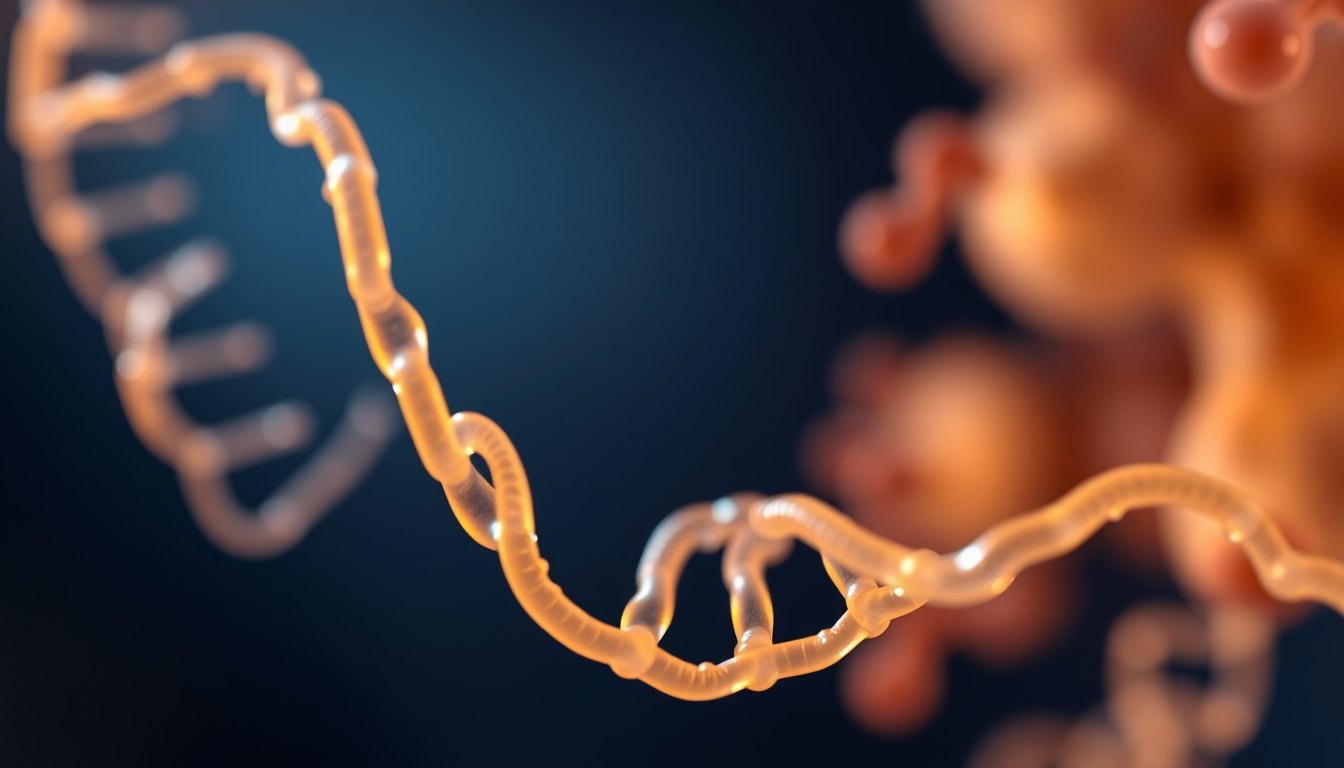
Thiostrepton is a thiopeptide antibiotic produced by Streptomyces bacteria. Published work has studied it mainly in cultured cells and animal models, where researchers reported activity against tumour cell lines, effects on FOXM1, STAT3/GPX4, TLR9 and RORγt pathways, and activity against Mycobacterium abscessus. Human clinical outcome data are absent from this literature set, pharmacokinetic detail is limited, and toxicity signals have been described in non-cancer cells. This course walks through six modules and ends with what the studies did not test.
This page is for educational purposes only and is not medical advice; consult a licensed physician before making any health decision. Nothing here is a protocol, a recommendation, or a statement that thiostrepton works for any human condition. Each module below summarises what the cited papers reported, and each closes with the limits of that evidence.
Module 1: What thiostrepton is and how it has been studied
Thiostrepton is a thiopeptide — a sulphur-rich, highly modified cyclic peptide natural product built by bacteria through ribosomal synthesis and extensive post-translational tailoring. It is produced by Streptomyces species, and a 2025 immunology paper described it explicitly as a Streptomyces metabolite when researchers examined its effect on regulatory T cell differentiation (PMID 40820379). Chemically it is a large, rigid, poorly water-soluble molecule, which is one reason formulation work appears repeatedly in the literature.
Forms that appear in published work
- Free compound in solvent — the standard form used in cell-culture experiments, such as the breast cancer work that reported spindle abnormalities in MDA-MB-231 cells (PMID 39168955).
- Nanoformulated thiostrepton — a 2023 mouse study used a thiostrepton-nanomedicine preparation and reported attenuation of sepsis-induced inflammation, framing the compound as a TLR9 inhibitor (PMID 37662481).
- Screening-library form — a drug-repurposing screen identified thiostrepton as a regulator of the tumour suppressor DAB2IP, meaning it entered that work as one entry in a compound collection rather than as a designed candidate (PMID 40867592).
How the research base is shaped
The published literature on thiostrepton is dominated by two threads. The older thread is antibacterial: a 2019 study evaluated thiostrepton against Mycobacterium abscessus and described it as a therapeutic drug candidate for that infection (PMID 31835481). The newer and larger thread is oncology repurposing, where the compound has been tested across pancreatic, liver, biliary, breast and nasopharyngeal cancer models (PMID 39273665). A third, smaller thread concerns immune modulation in colitis and sepsis models (PMID 37752225).
Limits of Module 1: none of the verified papers is a human clinical trial. The evidence base is preclinical — cell lines, mouse models and screens. Descriptions such as "drug candidate" reflect how authors framed their own preclinical findings, not a regulatory or clinical designation.
Module 2: Mechanism as described in the literature
Thiostrepton has no single agreed mechanism in the papers below; instead, different research groups reported different molecular targets depending on the model used. The recurring themes are transcription-factor inhibition, oxidative and iron-dependent cell death, and immune signalling.
FOXM1 and transcriptional programmes
The most frequently invoked target is FOXM1, a proliferation-associated transcription factor. In intrahepatic cholangiocarcinoma models, the study reported that thiostrepton suppressed tumour progression via FOXM1-mediated reprogramming of tumour-associated macrophages, linking a transcription-factor effect to a change in the surrounding immune compartment rather than to tumour cells alone (PMID 39986191).
Ferroptosis and redox pathways
Two separate papers described iron-dependent cell death. In pancreatic cancer cells, researchers reported that thiostrepton induced ferroptosis through STAT3/GPX4 signalling (PMID 35859150). In HaCaT keratinocytes — a non-cancer human skin cell line — a 2024 study reported oxidative stress, mitochondrial dysfunction and ferroptosis following thiostrepton exposure (PMID 38969192). The same mechanism therefore appears in both the "activity" and the "toxicity" columns, depending on which cell type was studied.
Mitotic and apoptotic signalling
In triple-negative breast cancer cells, one study reported spindle abnormalities and enhanced Taxol cytotoxicity when thiostrepton was combined with the taxane (PMID 39168955), while a separate paper reported suppression of triple-negative breast cancer through downregulation of the c-FLIP/SMAD2/3 signalling pathway (PMID 38634704).
Immune-pathway mechanisms
Three papers described immune targets. Researchers reported that thiostrepton inhibited regulatory T cell differentiation and function in a way that boosted antitumour immune responses (PMID 40820379); a colitis study reported that it promoted ubiquitination of the Th17 transcription factor RORγt and modulated dysbiosis (PMID 37752225); and the sepsis paper characterised nanoformulated thiostrepton as a TLR9 inhibitor that attenuated inflammation in mice (PMID 37662481).
Limits of Module 2: mechanistic claims here are model-specific. A pathway identified in one cell line does not establish that the same pathway dominates in another tissue, in an intact organism, or in humans. The breadth of reported targets — FOXM1, STAT3/GPX4, c-FLIP/SMAD2/3, RORγt, TLR9, DAB2IP — is itself a caution: broadly active compounds are harder to attribute to one mechanism, and none of these papers tested target engagement in human subjects.
Doing the math on a vial? The PeptideU app does reconstitution, units and dilution for you.
Try it freeModule 3: Reported outcomes, study by study
The table below summarises the model, focus and reported result for each verified paper. Every entry describes what that specific study observed; none describes a human outcome.
| Study focus | Model | What was reported |
|---|---|---|
| Pancreatic cancer | Pancreatic cancer cells | The study reported ferroptosis induction through STAT3/GPX4 signalling (PMID 35859150). |
| Intrahepatic cholangiocarcinoma | Tumour models with macrophage compartment | Researchers reported suppressed progression via FOXM1-mediated macrophage reprogramming (PMID 39986191). |
| Hepatocellular carcinoma | Liver cancer preclinical models | The paper evaluated thiostrepton as a potential therapeutic agent for hepatocellular carcinoma (PMID 39273665). |
| Triple-negative breast cancer | MDA-MB-231 cells | The study reported spindle abnormalities and enhanced Taxol cytotoxicity (PMID 39168955). |
| Triple-negative breast cancer | Breast cancer models | Researchers reported tumour suppression with downregulation of c-FLIP/SMAD2/3 signalling (PMID 38634704). |
| Nasopharyngeal carcinoma | Preclinical NPC models | A preclinical evaluation of the natural antibiotic in nasopharyngeal carcinoma was reported (PMID 30993588). |
| Tumour-suppressor regulation | Drug-repurposing screen | The screen identified thiostrepton as a novel regulator of DAB2IP (PMID 40867592). |
| Antitumour immunity | Regulatory T cells | Researchers reported inhibited Treg differentiation and function with boosted antitumour immune responses (PMID 40820379). |
| Experimental colitis | Mouse colitis model | The study reported alleviated colitis with RORγt ubiquitination and modulation of dysbiosis (PMID 37752225). |
| Sepsis inflammation | Mice, nanomedicine formulation | The study reported attenuated sepsis-induced inflammation with a TLR9-inhibiting nanomedicine (PMID 37662481). |
| Mycobacterial infection | Mycobacterium abscessus | The paper described thiostrepton as a novel therapeutic drug candidate for M. abscessus infection (PMID 31835481). |
| Keratinocyte toxicity | HaCaT cells | Researchers reported oxidative stress, mitochondrial dysfunction and ferroptosis (PMID 38969192). |
Limits of Module 3: these are heterogeneous studies with different models, exposure conditions and endpoints, so results cannot be pooled or compared head to head. Positive preclinical findings are common for cytotoxic natural products and frequently fail to reproduce in later stages. No verified paper reported survival, symptom or quality-of-life outcomes in people, and no study here was randomised or blinded in a human population.
Module 4: Thiostrepton Side Effects: What Studies Report
The verified literature contains no human adverse-event dataset for thiostrepton. What exists is laboratory toxicity data, and the most direct signal comes from a non-cancer cell line: researchers reported that thiostrepton induced oxidative stress, mitochondrial dysfunction and ferroptosis in HaCaT keratinocytes, which are normal human skin cells rather than tumour cells (PMID 38969192). That finding is relevant because it shows the same death pathway reported as an anticancer effect in pancreatic cancer cells through STAT3/GPX4 signalling can also occur in non-malignant cells (PMID 35859150).
A second category of signal concerns mitotic machinery. The study in MDA-MB-231 cells reported spindle abnormalities, an effect on cell division apparatus rather than a tumour-selective action (PMID 39168955). Effects on regulatory T cell differentiation and function, reported as beneficial in an antitumour immunity context, also represent deliberate suppression of an immune-regulatory population, and researchers described that suppression as the mechanism of the observed immune boost (PMID 40820379).
Formulation appears in the safety discussion as well: the sepsis study used a nanomedicine preparation rather than free compound, reflecting the practical handling constraints of a poorly soluble thiopeptide in animal work (PMID 37662481).
Limits of Module 4: cell-culture cytotoxicity does not translate directly into a human side-effect profile, and the absence of published human adverse events is not evidence of safety — it reflects the absence of human studies in this set. No verified paper reported organ toxicity findings, immunogenicity, long-term exposure outcomes, or interactions with other medicines in humans.
Tracking research? Log entries with dates, lots and notes — records, never plans.
Get the appModule 5: Pharmacokinetics, where data exist
Pharmacokinetics is the weakest part of the thiostrepton literature summarised here. None of the verified papers is a dedicated absorption, distribution, metabolism and excretion study, and no verified paper reported human plasma concentrations, half-life or bioavailability. What can be said is indirect.
- Solubility and delivery drove formulation choices. The 2023 mouse sepsis work was performed with a thiostrepton-nanomedicine rather than the free molecule (PMID 37662481), a strategy generally used when a compound's physicochemical properties limit systemic delivery.
- Preclinical evaluation frameworks exist. The nasopharyngeal carcinoma paper was structured as a preclinical evaluation of thiostrepton as a natural antibiotic, the study type in which developability questions are typically raised (PMID 30993588).
- Local and gut-facing models recur. The colitis study reported effects that included modulation of dysbiosis, an endpoint measured in the gut compartment (PMID 37752225).
Limits of Module 5: no dose, exposure duration, plasma level or clearance value can be responsibly stated from the verified set, so none is given here. Readers comparing thiostrepton to compounds with published human pharmacokinetics should treat this gap as the defining feature of its evidence base rather than a detail to be filled in by analogy.
Module 6: Regulatory status, stated factually
Thiostrepton is not an approved human medicine in the United States, the European Union or the United Kingdom. It has no FDA-approved human indication, and the studies summarised above are laboratory and animal research rather than registration trials.
Veterinary and research contexts
- Veterinary topical products. Thiostrepton has historically appeared as a component of topical combination ointments for animals, marketed through veterinary channels. That status is a veterinary approval and says nothing about human use.
- Research-use-only material. The thiostrepton used in the studies cited on this page was research-grade chemical supplied for laboratory work. Research-use-only material is not manufactured, tested or labelled for administration to people, and RUO labelling is a legal restriction, not a purity guarantee.
- Compounding. In the United States, compounding pharmacies operating under sections 503A and 503B may prepare medicines from bulk substances only where those substances appear on the applicable FDA lists or meet the statutory criteria. A compound without an approved human drug application and without listing does not become a lawful compounded preparation simply because published research exists.
- Antibiotic stewardship context. The M. abscessus paper framed thiostrepton as a drug candidate for a difficult mycobacterial infection (PMID 31835481), which is a research proposal, not an approved indication.
Limits of Module 6: regulatory status varies by country and changes over time; this section describes the general framework, not the position in any particular jurisdiction on any particular date. This is general information and not legal advice.
Want the full course? Every compound, evidence-graded and cited, inside PeptideU.
Start learning freeClosing: what the studies did not test
Reading across all twelve verified papers, the following were absent:
- Human efficacy. No verified study reported outcomes in human patients for cancer, colitis, sepsis or mycobacterial infection; the cholangiocarcinoma, hepatocellular carcinoma and breast cancer findings were preclinical (PMID 39986191, PMID 39273665, PMID 38634704).
- Human dosing and exposure. No verified paper established a human dose, route, schedule or exposure window, and none is stated on this page.
- Comparative effectiveness. Apart from the Taxol combination work in MDA-MB-231 cells (PMID 39168955), thiostrepton was not benchmarked against standard therapies.
- Selectivity margins. Toxicity in normal keratinocytes was reported (PMID 38969192), but the verified set did not define a therapeutic window separating tumour effects from normal-tissue effects in vivo.
- Long-term immune consequences. Suppression of regulatory T cells (PMID 40820379) and of RORγt-driven programmes (PMID 37752225) was reported in short-term models; durability and autoimmune risk were not addressed.
- Mechanistic convergence. The DAB2IP screen result (PMID 40867592) and the STAT3/GPX4 ferroptosis result (PMID 35859150) were not reconciled into one validated mechanism.
The honest summary is that thiostrepton is an old bacterial natural product with an active, mostly preclinical research literature, a broad and unresolved mechanistic profile, documented cytotoxicity in non-cancer cells, essentially no published human pharmacokinetics, and no approved human indication. This page is for educational purposes only and is not medical advice; consult a licensed physician about any medical question.
References
- Thiostrepton induces ferroptosis in pancreatic cancer cells through STAT3/GPX4 signalling (Cell Death & Disease, 2022)
- The Streptomyces Metabolite Thiostrepton Inhibits Regulatory T Cell Differentiation and Function to Boost Antitumor Immune Responses (European Journal of Immunology, 2025)
- Thiostrepton suppresses intrahepatic cholangiocarcinoma progression via FOXM1-mediated tumor-associated macrophages reprogramming (Translational Oncology, 2025)
- Thiostrepton induces spindle abnormalities and enhances Taxol cytotoxicity in MDA-MB-231 cells (Molecular Biology Reports, 2024)
- Drug-Repurposing Screen Identifies Thiostrepton as a Novel Regulator of the Tumor Suppressor DAB2IP (Biomolecules, 2025)
- Thiostrepton as a Potential Therapeutic Agent for Hepatocellular Carcinoma (International Journal of Molecular Sciences, 2024)
- Thiostrepton-Nanomedicine, a TLR9 Inhibitor, Attenuates Sepsis-Induced Inflammation in Mice (Mediators of Inflammation, 2023)
- Thiostrepton induces oxidative stress, mitochondrial dysfunction and ferroptosis in HaCaT cells (Cellular Signalling, 2024)
- Thiostrepton alleviates experimental colitis by promoting RORγt ubiquitination and modulating dysbiosis (Cellular & Molecular Immunology, 2023)
- Thiostrepton suppresses triple-negative breast cancer through downregulating c-FLIP/SMAD2/3 signaling pathway (Journal of Asian Natural Products Research, 2024)
- Thiostrepton: A Novel Therapeutic Drug Candidate for Mycobacterium abscessus Infection (Molecules, 2019)
- A preclinical evaluation of thiostrepton, a natural antibiotic, in nasopharyngeal carcinoma (Investigational New Drugs, 2020)
Frequently asked questions
What is thiostrepton?▾
Thiostrepton is a thiopeptide natural product made by Streptomyces bacteria, described in a 2025 immunology paper as a Streptomyces metabolite (PMID 40820379). It is a large, poorly soluble cyclic peptide studied mainly in cell and animal models, including as a candidate against Mycobacterium abscessus infection (PMID 31835481). It is not an approved human medicine.
What mechanisms have researchers described for thiostrepton?▾
Several. Researchers reported ferroptosis induction through STAT3/GPX4 signalling in pancreatic cancer cells (PMID 35859150), FOXM1-mediated macrophage reprogramming in cholangiocarcinoma models (PMID 39986191), TLR9 inhibition in a mouse sepsis model using a nanomedicine formulation (PMID 37662481), and RORγt ubiquitination in experimental colitis (PMID 37752225). No single mechanism has been established across models.
What do studies report about thiostrepton toxicity?▾
The clearest signal is in non-cancer cells: one study reported oxidative stress, mitochondrial dysfunction and ferroptosis in HaCaT keratinocytes (PMID 38969192). Another reported spindle abnormalities in MDA-MB-231 breast cancer cells (PMID 39168955), an effect on cell-division machinery. No verified paper reported human adverse events, so no human side-effect profile exists in this literature.
Has thiostrepton been tested in people?▾
Not in the verified literature. Every study summarised here was preclinical — cultured cells, mouse models or compound screens, such as the drug-repurposing screen that identified thiostrepton as a regulator of DAB2IP (PMID 40867592) and the preclinical nasopharyngeal carcinoma evaluation (PMID 30993588). No human efficacy, dosing or safety outcomes were reported.
Is there pharmacokinetic data for thiostrepton?▾
Very little. No verified paper reported human plasma levels, half-life or bioavailability. Delivery challenges are implied indirectly: the sepsis study used a thiostrepton-nanomedicine formulation rather than the free compound (PMID 37662481), a common approach for poorly soluble molecules. Because no dose or exposure data can be supported, none is stated.
What is thiostrepton's regulatory status?▾
It has no FDA-approved human indication. It has historically appeared in veterinary topical combination ointments, and the material used in research is supplied as research-use-only chemical not intended for administration to people. US compounding from bulk substances is restricted by sections 503A and 503B. This is general information, not legal advice.
Why does thiostrepton appear in so many cancer studies?▾
It is a broadly cytotoxic natural product that surfaces in screens, so multiple groups have tested it across tumour types — including hepatocellular carcinoma (PMID 39273665) and triple-negative breast cancer, where the study reported downregulation of c-FLIP/SMAD2/3 signalling (PMID 38634704). Breadth of preclinical activity is not the same as demonstrated human benefit.
Track it. Calculate it. Actually understand it.
References
This page summarises published research for education — it is not medical advice, and nothing here is a recommendation to use, purchase, or dose any substance. Study parameters described are what researchers reported, not instructions. Consult a qualified clinician before any health decision.