
Ipamorelin: A Literature Course (With Notes on How Tesamorelin's Class Differs)
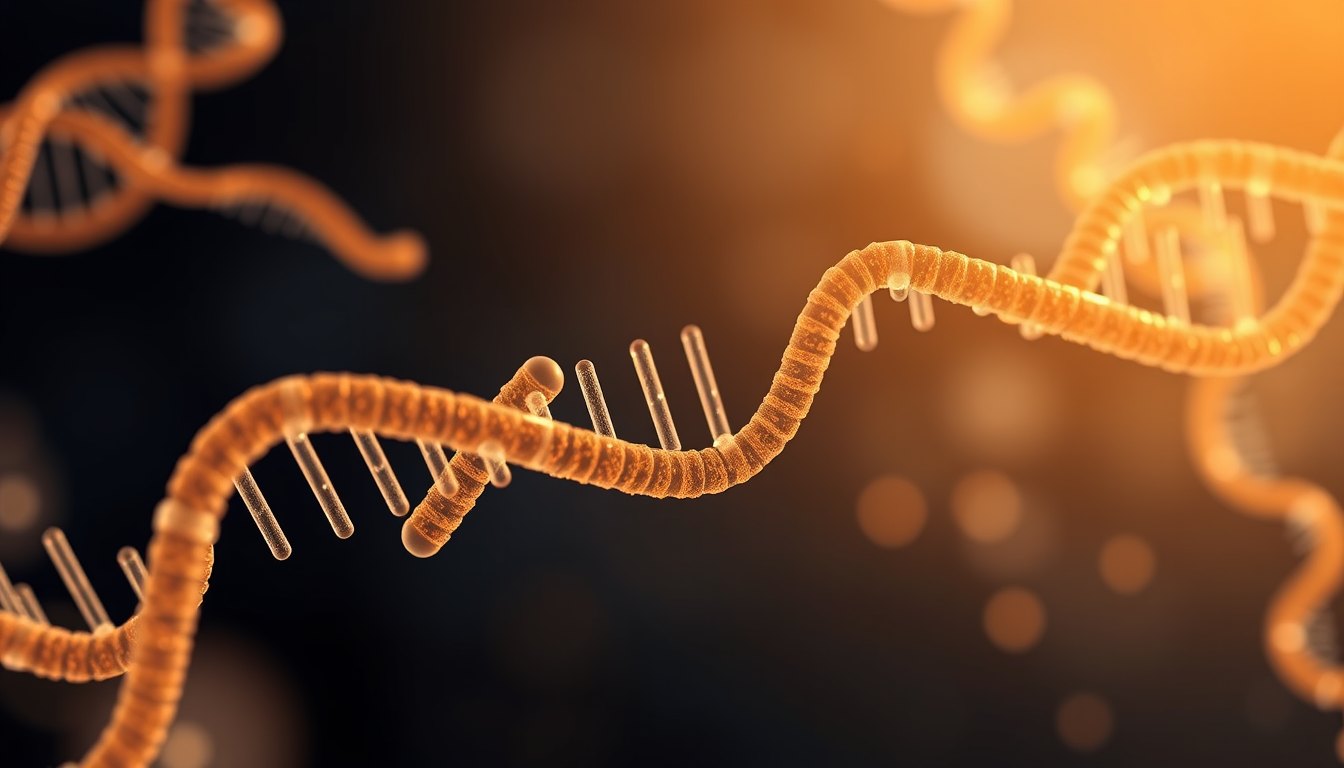
Ipamorelin is a synthetic peptide that published studies describe as a growth hormone secretagogue and ghrelin-receptor (GHS-R1a) agonist. The research base is mostly preclinical: rat bone and pituitary studies, an isolated-pancreas insulin study, a rodent ileus model, a ferret chemotherapy model, a fish endocrine study, and one randomized proof-of-concept trial in bowel resection patients. No ipamorelin drug product is approved. This six-module course summarises what those papers reported, what they measured, and where the evidence stops.
This course walks through the published literature on ipamorelin, a synthetic peptide that research papers classify as a growth hormone secretagogue (GHS) and ghrelin mimetic. It is organised into six modules, each closing with an explicit statement of what the evidence cannot support. This page is for educational purposes only and is not medical advice; consult a licensed physician for any question about health, medication or laboratory testing. Nothing here describes a protocol, and no module should be read as a recommendation.
Ipamorelin is often discussed alongside tesamorelin, but the two peptides belong to different pharmacological classes, and none of the eight verified papers summarised in this course studied tesamorelin, compared the two molecules, or tested them in combination. Where tesamorelin appears below, it appears only as a class contrast and as a regulatory fact, never as an outcome claim.
Module 1: What ipamorelin is and how it has been studied
Definition and class
Across the cited reports, ipamorelin was described as a short synthetic peptide acting as a ghrelin mimetic. A rodent postoperative ileus paper titled its subject "a novel ghrelin mimetic" and evaluated it on gastrointestinal endpoints (PMID 19289567), and a 2024 ferret study grouped ipamorelin with anamorelin as growth hormone secretagogue receptor 1a agonists (PMID 39043357).
Earlier endocrine work placed it in the GHS family alongside peptides such as GH-releasing peptide-6: researchers compared ipamorelin and GHRP-6 on bone mineral content in adult female rats (PMID 10828840), and a separate rat paper examined chronic ipamorelin treatment and somatotroph response measured in vitro (PMID 12168778).
Origin and forms named in the literature
The verified papers refer to the compound simply as "ipamorelin," and one 2024 study of a cichlid fish used the salt name ipamorelin acetate when describing the agent given to Oreochromis mossambicus (PMID 38996787). The research record in this set is therefore built on injectable-research preparations used in laboratory models, plus one hospital-based clinical study in bowel resection patients (PMID 25331030). No oral, transdermal or nasal formulation of ipamorelin appears anywhere in the verified reading list.
How tesamorelin's class differs
Tesamorelin is a growth hormone–releasing hormone (GHRH) analogue, which is a different receptor target from the ghrelin/GHS receptor that the ipamorelin papers describe (PMID 39043357). Because the verified literature contains no tesamorelin trials, this course does not summarise tesamorelin outcomes, and it cannot speak to any "tesamorelin plus ipamorelin" question: that combination was not tested in any paper cited here.
Limits of the evidence (Module 1)
- The verified set is small: eight papers, seven of them in animals or isolated tissue.
- Species range widely (rat, ferret, fish), and cross-species extrapolation is not established by these reports.
- No paper in the set characterises manufacturing quality, purity or product identity of research-grade material.
Module 2: Mechanism as described in the literature
The mechanistic story in these papers has three threads: the pituitary, the gut, and the pancreas.
Pituitary and growth hormone axis
Ipamorelin was studied as a secretagogue acting upstream of growth hormone release; a rat study reported that chronic treatment influenced somatotroph response assessed in vitro, linking the peptide to the GH-secreting cell population rather than to exogenous GH itself (PMID 12168778). Skeletal papers used the same framing, describing ipamorelin as a GH secretagogue when they measured bone mineral content in adult female rats (PMID 10828840) and bone formation in adult rats given glucocorticoids (PMID 11735244).
Ghrelin receptor signalling in the gastrointestinal tract
The rodent ileus paper approached ipamorelin as a ghrelin mimetic acting on gastrointestinal motility after surgery, a mechanism distinct from the endocrine GH pathway (PMID 19289567). The ferret study carried this further by separating receptor-level actions from central ones: researchers reported that both GHS-R1a agonists affected body-weight outcomes, while only anamorelin showed anti-emetic activity attributed to a central mechanism (PMID 39043357).
Pancreatic islet signalling
A neuroendocrinology paper set out explicitly to describe the mechanism of ipamorelin-evoked insulin release from the pancreas of normal and diabetic rats, placing the peptide's activity beyond the pituitary (PMID 15665799). A 2024 fish study added a reproductive-axis dimension, reporting that ipamorelin acetate influenced the hypothalamic-pituitary-testicular axis in Oreochromis mossambicus (PMID 38996787).
Limits of the evidence (Module 2)
- Mechanistic descriptions come from isolated tissue and animal models, not from human receptor-occupancy or biomarker studies in the verified set.
- The ferret study's separation of central from peripheral effects applied to anamorelin's anti-emetic action, not to a mapped central mechanism for ipamorelin (PMID 39043357).
- No paper here reports dose-response receptor pharmacology in humans.
Doing the math on a vial? The PeptideU app does reconstitution, units and dilution for you.
Try it freeModule 3: Reported outcomes by study
The table below lists each verified study, the model it used, and what researchers reported. It makes no claim that these findings transfer to people outside the studied settings, and it contains no promise of benefit.
| Model | Endpoint studied | What the paper reported |
|---|---|---|
| Adult female rats | Bone mineral content, ipamorelin vs GHRP-6 | Researchers reported that the two GH secretagogues increased bone mineral content in adult female rats (PMID 10828840) |
| Adult rats given glucocorticoids | Bone formation | The study reported that ipamorelin counteracted the glucocorticoid-induced decrease in bone formation (PMID 11735244) |
| Young female rats, chronic treatment | Somatotroph response in vitro | Researchers reported that chronic ipamorelin treatment influenced the in vitro somatotroph response (PMID 12168778) |
| Pancreas of normal and diabetic rats | Insulin release and its mechanism | The paper reported ipamorelin-evoked insulin release and examined the underlying mechanism (PMID 15665799) |
| Rodent postoperative ileus model | Gastrointestinal recovery after surgery | Researchers reported efficacy of the ghrelin mimetic on ileus endpoints in the rodent model (PMID 19289567) |
| Bowel resection patients | Management of postoperative ileus | Described as a prospective, randomized, controlled, proof-of-concept clinical study of the ghrelin mimetic ipamorelin (PMID 25331030) |
| Ferrets given cisplatin | Body weight loss and emesis | The study reported that anamorelin and ipamorelin inhibited cisplatin-induced weight loss, while anti-emetic effects were reported for anamorelin via a central mechanism (PMID 39043357) |
| Cichlid fish (Oreochromis mossambicus) | Hypothalamic-pituitary-testicular axis | Researchers reported that ipamorelin acetate influenced the hypothalamic-pituitary-testicular axis (PMID 38996787) |
Limits of the evidence (Module 3)
- Endpoints differ so much between papers that they cannot be pooled; there is no meta-analysis in the verified set.
- The single human study was labelled proof-of-concept by its own authors, a design intended to test feasibility rather than to establish clinical benefit (PMID 25331030).
- Bone, appetite, insulin and reproductive-axis findings come from different species and do not describe body composition, athletic performance or cosmetic outcomes, none of which were endpoints in these papers.
Module 4: Ipamorelin Side Effects: What Studies Report
Adverse-event reporting for ipamorelin is thin, and the verified set does not contain a dedicated safety or toxicology paper. What exists falls into two groups: one controlled clinical study, and preclinical observations that are biologically relevant to safety even when they were framed as mechanism rather than harm.
The clinical study
The only human report in this set is the prospective, randomized, controlled, proof-of-concept study of ipamorelin for management of postoperative ileus in bowel resection patients (PMID 25331030). Because it was a controlled hospital study in a surgical population, its tolerability observations cannot be generalised to healthy adults, long-term administration, or non-surgical settings; researchers designed it around perioperative endpoints (PMID 25331030).
Preclinical signals relevant to safety
- Glucose-regulating hormones. The study of ipamorelin-evoked insulin release from the pancreas of normal and diabetic rats shows that the peptide interacts with insulin secretion, a system where unintended change matters clinically (PMID 15665799).
- Reproductive endocrine axis. Researchers reported that ipamorelin acetate influenced the hypothalamic-pituitary-testicular axis in a cichlid fish, an axis-level effect rather than a local one (PMID 38996787).
- Pituitary cell changes with chronic exposure. The rat study of chronic treatment reported an influence on somatotroph response in vitro, indicating that repeated exposure did not leave the GH-secreting cell population unchanged (PMID 12168778).
- Gastrointestinal motility. Effects on gut transit were the intended endpoint in the rodent ileus study, which means motility change is an on-target action of the compound rather than an incidental one (PMID 19289567).
Limits of the evidence (Module 4)
- No verified paper reports carcinogenicity, immunogenicity, reproductive toxicology in mammals, or long-term human safety follow-up.
- Absence of a reported adverse event in an abstract is not evidence that the event does not occur.
- Questions about combining ipamorelin with tesamorelin or any other agent have no safety data in this set, because no such combination was studied.
Tracking research? Log entries with dates, lots and notes — records, never plans.
Get the appModule 5: Pharmacokinetics where data exist
The verified literature is a pharmacodynamic literature, not a pharmacokinetic one. None of the eight papers is a dedicated PK study, and none reports human half-life, absolute bioavailability, volume of distribution, clearance or metabolite profiling for ipamorelin. What the set does convey is exposure framing: one rat paper explicitly studied chronic treatment before assessing somatotroph response in vitro (PMID 12168778), while the bone papers used repeated administration in adult rats to reach skeletal endpoints such as bone mineral content (PMID 10828840) and bone formation under glucocorticoid exposure (PMID 11735244). Acute-response designs appear in the isolated pancreas work on insulin release (PMID 15665799) and in the surgical models of postoperative ileus (PMID 19289567).
Limits of the evidence (Module 5)
- No numeric PK parameters for ipamorelin exist anywhere in this verified set, so any half-life figure circulating elsewhere is not supported here.
- Route comparisons (for example injected versus oral exposure) were not tested in these papers.
- Because exposure was not quantified, the papers cannot link a blood level to any reported endpoint.
Module 6: Regulatory status, stated factually
Ipamorelin has no approved drug product in the United States: it is not the active ingredient of any FDA-approved medicine, and the clinical work in this set was investigational, including the randomized proof-of-concept study in bowel resection patients (PMID 25331030). Material sold to laboratories is commonly labelled research use only (RUO), a designation meaning it is not intended for diagnostic or therapeutic use in humans or animals.
On compounding, the FDA has published categorisations of bulk drug substances nominated for use under section 503A. Ipamorelin was not added to the list of bulk substances eligible for use in compounding by 503A pharmacies; the agency placed it among nominated substances it identified as raising significant safety concerns for compounded use. Tesamorelin, by contrast, is the active ingredient of an approved GHRH-analogue product in the United States, which is why the two peptides occupy different regulatory positions despite often being discussed together. Anti-doping status is separate again: growth hormone secretagogues are addressed as a class by sport anti-doping rules rather than by drug-approval status.
This regulatory summary is general information, not legal advice; rules change and vary by jurisdiction, and licensed clinicians, pharmacists and attorneys are the appropriate sources for individual situations.
Limits of the evidence (Module 6)
- Regulatory categorisation reflects agency review of safety and evidence adequacy, not a scientific verdict on every possible use.
- Approval status of tesamorelin says nothing about ipamorelin's effects, and none of the verified papers compared the two.
- Research-use-only labelling carries no statement about purity, sterility or accurate content of any particular lot.
Want the full course? Every compound, evidence-graded and cited, inside PeptideU.
Start learning freeWhat the studies did not test
Read together, the verified literature leaves large gaps that no amount of summarising can fill:
- Healthy-adult use. No paper in this set enrolled healthy volunteers for body-composition, strength, sleep or anti-ageing endpoints.
- Tesamorelin combinations. No verified study administered tesamorelin and ipamorelin together, sequentially, or in comparison.
- Long-term exposure in humans. The clinical study was a short, perioperative, proof-of-concept design (PMID 25331030), not a multi-month safety trial.
- Quantified human pharmacokinetics. Half-life, bioavailability and clearance were not reported in any of these papers.
- Cancer, cachexia and appetite outcomes in people. Weight-loss findings in the verified set came from ferrets given cisplatin, where researchers reported that both GHS-R1a agonists inhibited cisplatin-induced weight loss (PMID 39043357).
- Bone outcomes in humans. Skeletal findings came from adult rats (PMID 10828840, PMID 11735244), and fracture risk was not an endpoint.
- Endocrine safety monitoring. Although insulin release (PMID 15665799) and a reproductive axis (PMID 38996787) were affected in animal and tissue studies, no human monitoring programme was described.
The honest summary of this course is that ipamorelin is a well-characterised laboratory tool with a narrow clinical footprint. Questions about what it "does" for a person remain open in the verified record, and only a licensed physician can address individual medical questions.
References
- The GH secretagogues ipamorelin and GH-releasing peptide-6 increase bone mineral content in adult female rats (The Journal of Endocrinology, 2000)
- The growth hormone secretagogue ipamorelin counteracts glucocorticoid-induced decrease in bone formation of adult rats (Growth Hormone & IGF Research, 2001)
- Influence of chronic treatment with the growth hormone secretagogue Ipamorelin, in young female rats: somatotroph response in vitro (Histology and Histopathology, 2002)
- Mechanism of ipamorelin-evoked insulin release from the pancreas of normal and diabetic rats (Neuro Endocrinology Letters, 2004)
- Efficacy of ipamorelin, a novel ghrelin mimetic, in a rodent model of postoperative ileus (The Journal of Pharmacology and Experimental Therapeutics, 2009)
- Prospective, randomized, controlled, proof-of-concept study of the Ghrelin mimetic ipamorelin for the management of postoperative ileus in bowel resection patients (International Journal of Colorectal Disease, 2014)
- The influence of ghrelin agonist ipamorelin acetate on the hypothalamic-pituitary-testicular axis in a cichlid fish, Oreochromis mossambicus (Animal Reproduction Science, 2024)
- The growth hormone secretagogue receptor 1a agonists, anamorelin and ipamorelin, inhibit cisplatin-induced weight loss in ferrets: Anamorelin also exhibits anti-emetic effects via a central mechanism (Physiology & Behavior, 2024)
Frequently asked questions
How does the literature define ipamorelin?▾
Published papers describe ipamorelin as a synthetic growth hormone secretagogue and ghrelin mimetic acting at the growth hormone secretagogue receptor 1a. A rodent ileus study used the "novel ghrelin mimetic" framing (PMID 19289567), and a 2024 ferret study grouped ipamorelin with anamorelin as GHS-R1a agonists (PMID 39043357). Earlier rat work classed it with GH-releasing peptide-6 (PMID 10828840).
Are tesamorelin and ipamorelin the same type of peptide?▾
No. Tesamorelin is a growth hormone–releasing hormone analogue, while the cited reports describe ipamorelin as acting at the ghrelin/GHS receptor (PMID 39043357, PMID 19289567). Importantly, none of the verified papers studied tesamorelin, compared the two peptides, or administered them together, so the literature summarised here supports no combination claims of any kind.
What outcomes have ipamorelin studies reported?▾
Researchers reported increased bone mineral content in adult female rats (PMID 10828840) and that ipamorelin counteracted glucocorticoid-induced decreases in bone formation (PMID 11735244). A rodent study reported efficacy on postoperative ileus endpoints (PMID 19289567), and a ferret study reported inhibition of cisplatin-induced weight loss (PMID 39043357). These were animal endpoints, not human benefit claims.
What do studies report about ipamorelin side effects?▾
The verified set has no dedicated safety paper. The only human report is a randomized, controlled proof-of-concept study in bowel resection patients (PMID 25331030). Preclinical work shows interactions with systems where change matters: insulin release from rat pancreas (PMID 15665799) and the hypothalamic-pituitary-testicular axis in a fish model (PMID 38996787). Long-term human safety was not reported.
Is there any human evidence for ipamorelin?▾
One human study appears in the verified literature: a prospective, randomized, controlled, proof-of-concept trial of ipamorelin for management of postoperative ileus after bowel resection (PMID 25331030). Proof-of-concept designs test feasibility and signal, not definitive clinical benefit, and the population was surgical patients rather than healthy adults, which limits generalisation considerably.
What pharmacokinetic data exist for ipamorelin?▾
None of the verified papers is a pharmacokinetic study, and no half-life, bioavailability or clearance values for ipamorelin appear in them. Study designs convey exposure only in general terms, such as the rat paper that examined chronic treatment before assessing somatotroph response in vitro (PMID 12168778). Any specific half-life figure is unsupported by this evidence set.
Is ipamorelin an approved medicine?▾
No ipamorelin product is FDA-approved; the clinical work in this set was investigational (PMID 25331030). Material supplied to laboratories is typically labelled research use only. FDA did not add ipamorelin to the list of bulk drug substances eligible for 503A compounding, placing it among nominated substances raising significant safety concerns. This is general information, not legal advice.
Track it. Calculate it. Actually understand it.
References
This page summarises published research for education — it is not medical advice, and nothing here is a recommendation to use, purchase, or dose any substance. Study parameters described are what researchers reported, not instructions. Consult a qualified clinician before any health decision.