
Magainin Peptide: A Literature Course in Six Modules
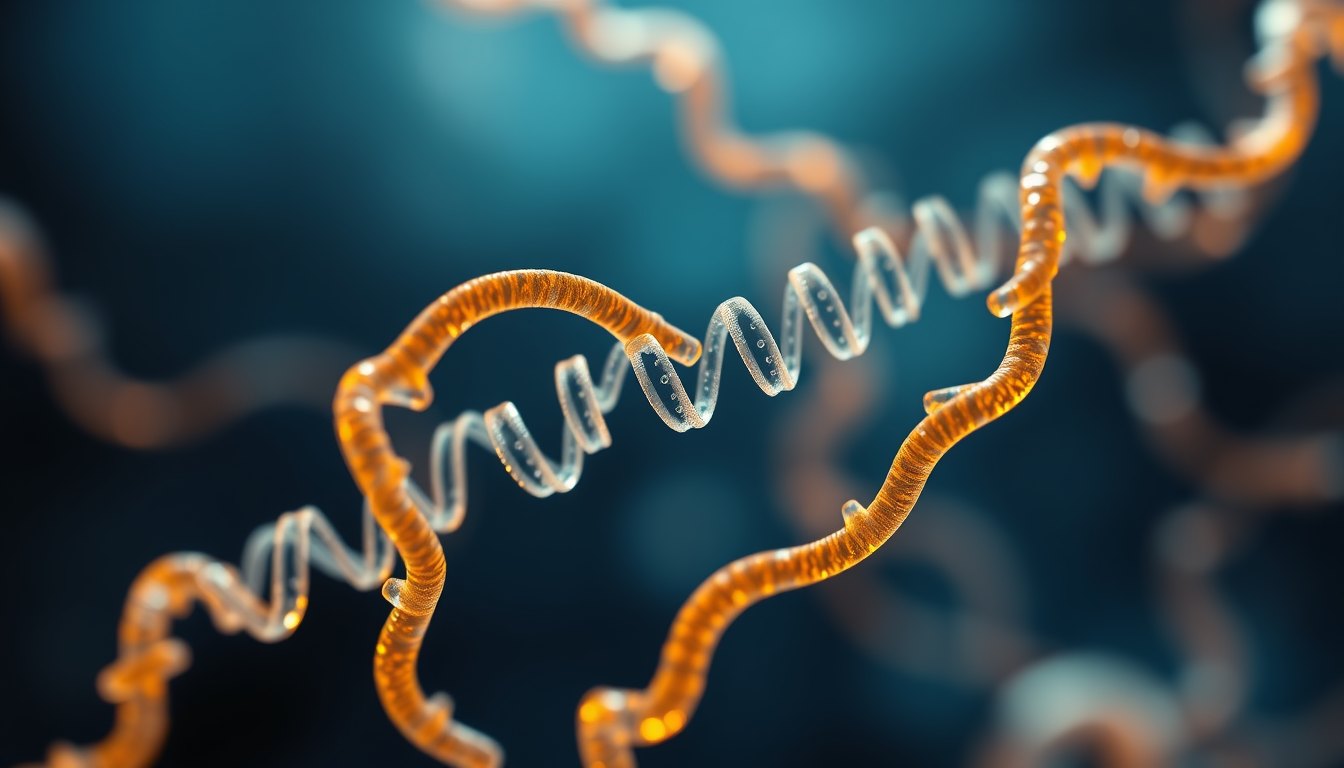
Magainin refers to a family of short, positively charged, membrane-active peptides first described in amphibian skin. Published work is dominated by biophysical membrane studies, microbiology assays, cell-culture experiments and a small number of animal models, plus engineered analogues such as peptoids, foldamers and stapled peptides. This course summarises what those studies measured and reported, what adverse effects appear in the literature, why pharmacokinetic data are essentially absent, and the regulatory position. It makes no recommendations and describes no human treatment use.
Magainin is the shared name of a family of short, cationic, amphipathic peptides originally characterised from amphibian skin secretions and studied for decades as model membrane-active molecules. The published record on magainins is unusual: most of it sits in biophysics and microbiology journals rather than in clinical medicine, and the peptides are more often used as tools for understanding how peptides break or cross lipid membranes than as candidate therapies with human outcome data. This page is for educational purposes only and is not medical advice; consult a licensed physician for any question about health, medication or treatment. Nothing below describes a protocol, and no human use is implied or endorsed.
Module 1 — What magainin is and how it has been studied
Magainins are linear peptides roughly two dozen amino acids long that adopt an α-helical, amphipathic conformation when they contact a lipid surface. Their defining chemistry is a net positive charge paired with a hydrophobic face, which is the structural signature of the broader class known as cationic antimicrobial peptides (AMPs) or host-defence peptides. The family is named for the parent peptides magainin 1 and magainin 2, and the literature also uses several derived names that appear throughout this course:
- Magainin 2 — the most frequently studied parent sequence, used in membrane biophysics and antibacterial assays.
- Magainin-2-amide — a C-terminally amidated form used in early functional work, including reproductive-tract assays.
- Magainin-AM2 — an amphibian-derived magainin variant used in metabolic research models.
- Magainin-H2 — a synthetic, more hydrophobic analogue used in vesicle permeabilisation studies.
- Engineered mimics — peptoid analogues, α/β-peptide foldamers and conformationally "stapled" derivatives built on the magainin 2 template.
The study formats fall into four broad buckets. First, biophysical models: giant unilamellar vesicles, lipid monolayers and bacterial membrane mimics, where researchers measure leakage, bending rigidity, curvature and partitioning rather than clinical endpoints. Second, microbiology: minimum inhibitory concentration testing, time-kill and biofilm assays against defined bacterial isolates. Third, cell culture: cytotoxicity and cargo-delivery experiments in mammalian cell lines. Fourth, a small number of whole-organism models, including insects and mice. The 2024 Drosophila melanogaster work, for instance, evaluated magainin-AM2 in a sucrose-induced hyperglycaemia model and reported effects on glycaemic, oxidative-stress and behavioural endpoints (PMID 38964592), while an earlier mouse study examined magainin-AM2 in high-fat fed animals and reported changes in glucose homeostasis and beta-cell function (PMID 25459513).
Limits of the evidence
The family label "magainin" covers sequences with meaningfully different charge, hydrophobicity and stability, so findings for one analogue do not transfer automatically to another. Nomenclature in older papers is inconsistent, and the verified literature summarised here contains no human clinical trial, meaning every statement in this course is a laboratory or animal observation.
Module 2 — Mechanism as described in the literature
Across the verified papers, the mechanism described for magainins is a physical one: the peptide binds preferentially to negatively charged lipid surfaces, folds into a helix at the interface, accumulates, and then perturbs bilayer organisation. Researchers have described several distinguishable consequences of that binding.
Permeabilisation and membrane mechanics
Work with giant unilamellar vesicles examined magainin-H2 and reported both permeabilisation of the vesicle membrane and measurable changes in the mechanical properties of the bilayer (PMID 31207545). That combination matters mechanistically: it frames the peptide not simply as a "pore former" but as an agent that alters how a membrane bends and resists deformation before or alongside leakage.
Curvature, partitioning and synergy with PGLa
A series of studies in bacterial membrane mimics dissected how magainin 2 behaves alone and together with the related amphibian peptide PGLa. One report focused on membrane curvature and peptide partitioning between aqueous and lipid phases (PMID 36258677), while a companion report examined membrane fusion and disruption in the same mimic systems (PMID 35134334). Together the researchers described magainin activity as depending on lipid composition and on the presence of a partner peptide, rather than as a fixed intrinsic potency.
Antibacterial mode of action
In a study of drug-resistant Acinetobacter baumannii, investigators reported antibacterial and antibiofilm activity for magainin 2 and characterised its mode of action against those isolates (PMID 30301180). Mechanistic framing in the bacterial literature is generally membrane-directed rather than target-enzyme-directed, which is the reason resistance discussions differ from those for conventional antibiotics.
Crossing membranes instead of destroying them
A 2023 chemistry study took the magainin 2 scaffold in a different direction, describing stapled derivatives and reporting that they delivered plasmid DNA, mRNA and siRNA into cells (PMID 37799999). The same physicochemistry that permeabilises bacterial membranes can therefore be redirected toward nucleic-acid transport in cell culture.
Limits of the evidence
Mechanistic conclusions here come from synthetic bilayers, defined bacterial isolates and cultured cells. Model membranes lack the protein content, asymmetry, cell wall and turnover of living tissue, and none of these papers demonstrated that a described mechanism produces a clinical effect in a person.
Doing the math on a vial? The PeptideU app does reconstitution, units and dilution for you.
Try it freeModule 3 — Reported outcomes by study
The table below maps the verified literature by model and endpoint. It is a description of what each report measured, not a ranking of usefulness.
| Study focus | Model / system | Endpoints measured | What researchers reported |
|---|---|---|---|
| Magainin 2 antibacterial activity (PMID 30301180) | Drug-resistant A. baumannii | Growth inhibition, biofilm, mode of action | Antibacterial and antibiofilm activity with a membrane-directed mode of action |
| Magainin-H2 membrane effects (PMID 31207545) | Giant unilamellar vesicles | Permeabilisation, mechanical properties | Vesicle permeabilisation alongside altered membrane mechanics |
| Magainin 2 + PGLa, part IV (PMID 36258677) | Bacterial membrane mimics | Curvature, partitioning | Lipid-composition-dependent partitioning and curvature effects |
| Magainin 2 + PGLa, part III (PMID 35134334) | Bacterial membrane mimics | Fusion, disruption | Membrane fusion and disruption events characterised for the peptide pair |
| Magainin-AM2 metabolic study (PMID 25459513) | High-fat fed mice | Glucose homeostasis, beta-cell function | Improved glucose homeostasis and beta-cell function in that model |
| Magainin-AM2 insect study (PMID 38964592) | Drosophila melanogaster, sucrose diet | Hyperglycaemia, oxidative stress, cognition | Inhibition of sucrose-induced hyperglycaemia, oxidative stress and cognitive dysfunction |
| Magainin II micelles (PMID 25355048) | Polydiacetylene micelle constructs | Cancer-therapy-oriented assays | Magainin II-modified micelles characterised for cancer therapy application |
| Bacteriocin BpSl14 (PMID 34043980) | Peptide from fish-gut Bacillus safensis | Structure, anticancer action | A magainin-2-like bacteriocin with reported anticancer action |
| Peptoid mimics (PMID 14518985) | Synthetic helical peptoids | Antibacterial and haemolytic assays | Helical peptoid mimics of magainin-2 amide with antibacterial activity |
| Foldamers (PMID 31667994) | Amphipathic peptide foldamers | Antimicrobial activity, selectivity | Foldamers designed on the magainin 2 sequence with antimicrobial activity |
| Stapled derivatives (PMID 37799999) | Cultured cells | pDNA, mRNA, siRNA delivery | Intracellular delivery of all three nucleic-acid cargoes |
| Spermicidal formulation (PMID 11102594) | In vitro sperm assays | Spermicidal activity with cyclodextrin | Cyclodextrin enhanced the spermicidal effects of magainin-2-amide |
Two observations follow from the table. First, endpoints are heterogeneous: leakage from a vesicle, a biofilm optical density, a fly's glucose level and an siRNA knockdown are not interchangeable measures. Second, the two in-vivo metabolic reports are the only whole-animal outcome data in this set, and both were exploratory model studies rather than efficacy trials (PMID 25459513, PMID 38964592).
Limits of the evidence
No verified study reported a human outcome, none was a randomised controlled trial, and several used engineered analogues rather than natural magainin sequences. Positive laboratory results do not establish benefit, and the absence of a measured endpoint in these papers is not evidence that the endpoint would be favourable.
Module 4 — Magainin Side Effects: What Studies Report
Because magainins act on lipid membranes, the adverse-effect literature is largely about selectivity: whether a peptide damages host cells at concentrations near those that damage microbes. Published reports approach this in several ways.
Haemolysis and host-cell counter-screens
Analogue-development papers routinely pair antimicrobial testing with haemolysis or mammalian-cell assays. The 2003 peptoid study designed helical mimics of magainin-2 amide and evaluated antibacterial potency together with haemolytic behaviour as a selectivity measure (PMID 14518985), and the 2019 foldamer programme built amphipathic analogues on the magainin 2 sequence and likewise assessed antimicrobial activity alongside host-cell tolerability endpoints (PMID 31667994). The existence of these counter-screens is itself informative: researchers treat membrane damage to host cells as the expected liability of this peptide class.
Cytotoxicity as an intended effect
Some studies used cytotoxicity deliberately. A nanoscale report described magainin II-modified polydiacetylene micelles for cancer therapy applications, where killing of target cells was the measured objective (PMID 25355048), and a 2021 study characterised a magainin-2-like bacteriocin with anticancer action against cell lines (PMID 34043980). In a reproductive context, researchers reported that cyclodextrin enhanced the spermicidal effects of magainin-2-amide, which is a cytolytic action on human gametes (PMID 11102594). Read as toxicology rather than as therapeutics, these three reports show that magainin-type peptides can lyse mammalian cell membranes under the tested conditions.
Non-specific bilayer damage
Biophysical work reinforces the same point without using living cells: magainin-H2 permeabilised model vesicles and changed their mechanical properties in a system containing no bacteria at all (PMID 31207545), and mimic-membrane studies documented fusion and disruption events driven by magainin 2 and PGLa (PMID 35134334). Selectivity in this class is therefore a matter of lipid composition and concentration, not of an inherently microbe-only mechanism.
Limits of the evidence
The verified literature contains no human adverse-event reporting, no systematic toxicology programme, no organ-level safety data and no long-term exposure data. Haemolysis and cell-line assays are screening tools; they do not quantify risk in people, and no study in this set reported an adverse-event rate of any kind.
Tracking research? Log entries with dates, lots and notes — records, never plans.
Get the appModule 5 — Pharmacokinetics where data exist
This module is short by necessity. None of the verified papers reported plasma concentration-time curves, half-life, clearance, volume of distribution, oral bioavailability, tissue distribution or metabolite identification for any magainin. What the literature does contain is indirect, formulation-level information about how researchers tried to control exposure.
- Whole-organism administration. The mouse study delivered magainin-AM2 to high-fat fed animals and read out glucose homeostasis and beta-cell function rather than drug levels (PMID 25459513), and the insect study exposed Drosophila in a sucrose-diet paradigm and reported glycaemic, oxidative and cognitive endpoints (PMID 38964592).
- Chemical stabilisation. Peptoid and foldamer analogues were built precisely because backbone modification changes proteolytic stability and structure, as described in the peptoid mimic study (PMID 14518985) and the foldamer development study (PMID 31667994).
- Carriers and complexation. Cyclodextrin was used with magainin-2-amide in the spermicidal work (PMID 11102594), micellar constructs were used to present magainin II in the nanoscale study (PMID 25355048), and stapling was used to make magainin 2 derivatives capable of intracellular nucleic-acid delivery (PMID 37799999).
In pharmacological terms these are formulation and stability strategies, not pharmacokinetic measurements. Peptides of this size are generally expected to face rapid proteolysis and poor oral absorption, but the verified set does not quantify either property for magainins.
Limits of the evidence
Absence of pharmacokinetic data is a substantive gap, not a neutral one: without exposure data, laboratory concentrations cannot be related to any achievable systemic level, and comparisons between analogues, species or routes cannot be made on a pharmacokinetic basis.
Module 6 — Regulatory status, stated factually
Magainin peptides are research chemicals in regulatory terms. No magainin-family peptide appears as an approved active ingredient in a US Food and Drug Administration-approved drug product, and none is an approved drug in the other major jurisdictions that maintain public approval registers. Synthetic magainin 2 analogues have been investigated historically as topical anti-infective candidates, but investigational status is not approval, and an investigational candidate carries no established safety or efficacy determination.
Practical consequences of that status:
- Research use only (RUO). Material supplied to laboratories is labelled for research use and is not manufactured, tested or labelled as a medicine. RUO labelling is a statement about permitted use, not a quality guarantee for human exposure.
- Compounding. In the United States, pharmacy compounding under sections 503A and 503B of the Federal Food, Drug, and Cosmetic Act generally requires a bulk substance to be the subject of an applicable USP monograph, be a component of an approved drug, or appear on an FDA bulk-substances list. Peptides without those qualifications, magainins included, do not have an established compounding pathway.
- Dietary supplements. Peptide drugs of this type are not lawful dietary-supplement ingredients in the US framework, and marketing claims about disease treatment would themselves be regulated.
- Sport and workplace testing. Anti-doping and workplace testing frameworks operate independently of approval status; nothing in this course addresses those rules.
This section describes general regulatory facts and is not legal advice; rules differ by country and change over time, and a qualified professional should be consulted for any specific situation.
Limits of the evidence
Regulatory classification says nothing about biological activity, and biological activity in a vesicle or a fly says nothing about regulatory acceptability. The two literatures answer different questions.
Want the full course? Every compound, evidence-graded and cited, inside PeptideU.
Start learning freeWhat the studies did not test
Reading the verified magainin literature end to end, the following were not examined in any of it:
- No human trial of any magainin peptide — no healthy-volunteer study, no patient population, no clinical endpoint.
- No dose-ranging or dose-response work in humans, and no human safety monitoring.
- No pharmacokinetic characterisation in any species: half-life, bioavailability and distribution were not reported.
- No chronic or repeat-exposure toxicology, reproductive toxicology beyond the in-vitro spermicidal assay reported with cyclodextrin (PMID 11102594), and no immunogenicity assessment.
- No drug-interaction studies, except in the specific sense of peptide-peptide cooperativity between magainin 2 and PGLa in membrane mimics (PMID 36258677).
- No head-to-head comparison against standard-of-care antibiotics in an infection model, and no resistance-emergence follow-up beyond the isolate testing reported for drug-resistant A. baumannii (PMID 30301180).
- No confirmation that the metabolic findings reported in mice and in Drosophila extend to any other species (PMID 25459513, PMID 38964592).
The honest summary of the magainin file is that it is a rich mechanistic literature attached to a very thin outcome literature. Researchers have described in detail how these peptides interact with membranes, and have reported activity in bacterial, cellular and small-animal models; they have not established what, if anything, that means for people. This page is educational only and is not medical advice.
References
- Magainin-AM2 inhibits sucrose-induced hyperglycaemia, oxidative stress, and cognitive dysfunction in Drosophila melanogaster (Free Radical Biology & Medicine, 2024)
- Antibacterial and Antibiofilm Activity and Mode of Action of Magainin 2 against Drug-Resistant Acinetobacter baumannii (International Journal of Molecular Sciences, 2018)
- Magainin-H2 effects on the permeabilization and mechanical properties of giant unilamellar vesicles (Journal of Colloid and Interface Science, 2019)
- Magainin 2 and PGLa in bacterial membrane mimics IV: Membrane curvature and partitioning (Biophysical Journal, 2022)
- Magainin 2 and PGLa in bacterial membrane mimics III: Membrane fusion and disruption (Biophysical Journal, 2022)
- Magainin 2-derived stapled peptides derived with the ability to deliver pDNA, mRNA, and siRNA into cells (Chemical Science, 2023)
- Helical peptoid mimics of magainin-2 amide (Journal of the American Chemical Society, 2003)
- Cyclodextrin enhances spermicidal effects of magainin-2-amide (Contraception, 2000)
- Magainin II modified polydiacetylene micelles for cancer therapy (Nanoscale, 2014)
- Magainin-AM2 improves glucose homeostasis and beta cell function in high-fat fed mice (Biochimica et Biophysica Acta, 2015)
- A magainin-2 like bacteriocin BpSl14 with anticancer action from fish gut Bacillus safensis SDG14 (Analytical Biochemistry, 2021)
- Development of Amphipathic Antimicrobial Peptide Foldamers Based on Magainin 2 Sequence (ChemMedChem, 2019)
Frequently asked questions
What is the magainin peptide?▾
Magainin names a family of short, positively charged, amphipathic peptides first characterised from amphibian skin and studied as model membrane-active molecules. The literature covers the parent magainin 2 sequence, amidated and analogue forms such as magainin-AM2 and magainin-H2, and engineered versions including peptoid mimics (PMID 14518985) and sequence-based foldamers (PMID 31667994). They are research compounds, not approved medicines.
How do studies describe magainin's mechanism?▾
Reports describe binding to negatively charged lipid membranes followed by physical disruption. Researchers reported permeabilisation and altered mechanical properties in giant unilamellar vesicles (PMID 31207545), curvature and partitioning effects in bacterial membrane mimics (PMID 36258677), and membrane fusion and disruption with the partner peptide PGLa (PMID 35134334). The mechanism is membrane-directed rather than aimed at a single enzyme target.
Has magainin been tested in animals?▾
Two whole-organism studies appear in this verified set. A mouse study administered magainin-AM2 to high-fat fed animals and reported improved glucose homeostasis and beta-cell function (PMID 25459513). A 2024 study reported that magainin-AM2 inhibited sucrose-induced hyperglycaemia, oxidative stress and cognitive dysfunction in Drosophila melanogaster (PMID 38964592). Neither was a clinical trial, and no human outcome data exist here.
Magainin side effects: what studies report?▾
The published concern is loss of selectivity. Analogue papers paired antibacterial testing with haemolysis and host-cell counter-screens (PMID 14518985; PMID 31667994), while other work used mammalian-cell lysis deliberately, including micelle constructs for cancer applications (PMID 25355048) and cyclodextrin-enhanced spermicidal activity against human sperm (PMID 11102594). No human adverse-event data or formal toxicology programme appears in this literature.
Is there pharmacokinetic data for magainin?▾
No verified study reported half-life, bioavailability, clearance or tissue distribution for any magainin. Available information is formulation-level: cyclodextrin complexation (PMID 11102594), micellar presentation (PMID 25355048), backbone modification for stability (PMID 14518985) and stapled derivatives that delivered pDNA, mRNA and siRNA into cells (PMID 37799999). Those are chemistry strategies, not pharmacokinetic measurements, so exposure in any species remains uncharacterised.
Is any magainin product approved?▾
No magainin-family peptide appears as an active ingredient in an FDA-approved drug product. Material is supplied for research use only, and US compounding under sections 503A and 503B generally requires a USP monograph, approved-drug component status or listing on an FDA bulk-substances list, which magainins do not have. This is general regulatory information, not legal advice.
What did the magainin literature not test?▾
It contains no human trials, no dose-ranging in people, no pharmacokinetics, no chronic toxicology and no immunogenicity work. Antibacterial findings came from isolate testing such as the drug-resistant Acinetobacter baumannii study (PMID 30301180), and anticancer claims came from cell-based assays including a magainin-2-like bacteriocin report (PMID 34043980). Laboratory activity does not establish clinical benefit or safety.
Track it. Calculate it. Actually understand it.
References
This page summarises published research for education — it is not medical advice, and nothing here is a recommendation to use, purchase, or dose any substance. Study parameters described are what researchers reported, not instructions. Consult a qualified clinician before any health decision.