
LL-37: A Literature Course on What the Published Studies Report
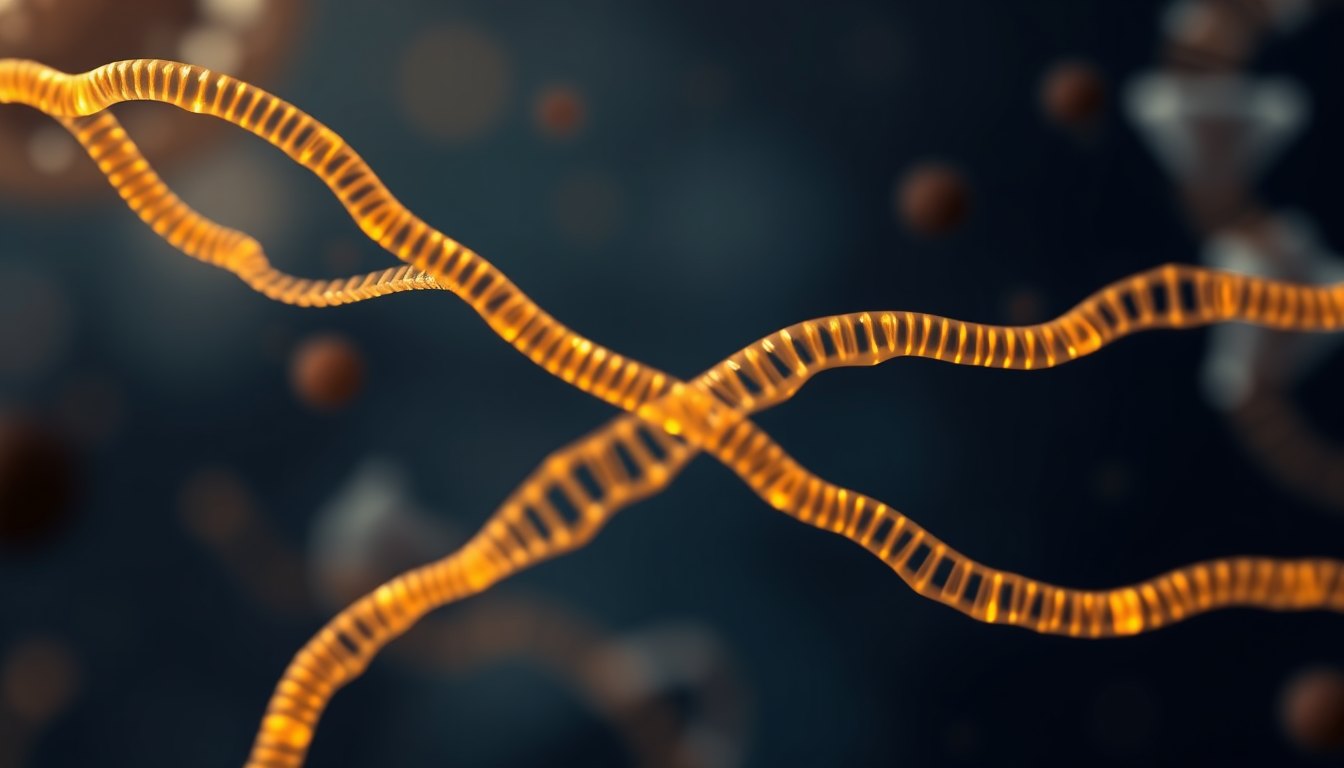
LL-37 is the 37-amino-acid antimicrobial peptide released from the human cathelicidin protein hCAP18. Published work is mostly laboratory and animal research: cell studies on immune signalling and autophagy, mouse wound-infection and diabetic wound models, human samples measuring natural LL-37 levels, and chemistry papers designing less haemolytic analogues. Several papers also report cytotoxicity to human cells. This course summarises what those studies examined, what they reported, and where the evidence stops — including the absence of human dosing, pharmacokinetic and safety trials.
LL-37 is the best-studied human cathelicidin peptide, and most of what is known about it comes from laboratory and animal research rather than from clinical trials of an LL-37 product. This course walks through six modules: what LL-37 is, the mechanisms researchers describe, the outcomes reported study by study, the adverse effects that appear in the published record, what pharmacokinetic information exists, and the regulatory picture. Every module closes with the limits of the evidence, because the limits are a large part of the LL-37 story.
This page is for educational purposes only and is not medical advice; consult a licensed physician about any health question, symptom or treatment decision. Nothing here describes a protocol, and no dose is presented, because the studies summarised below were not designed to establish human dosing.
Module 1 — What LL-37 is and how it has been studied
Definition, class and origin
LL-37 is a 37-residue, cationic, amphipathic peptide whose name derives from its two N-terminal leucine residues and its length. It belongs to the cathelicidin family of host-defence (antimicrobial) peptides. In humans it is not made directly: the CAMP gene encodes a precursor protein, human cathelicidin antimicrobial protein of 18 kDa (hCAP18), and proteolytic processing of that precursor liberates the mature LL-37 fragment. Because of this, papers use the terms "cathelicidin", "hCAP18/LL-37" and "LL-37" in overlapping ways, and readers comparing studies should check whether a paper measured the precursor, the mature peptide, or a synthetic version of it.
Regulation of the precursor is one of the few parts of LL-37 biology with a well-known upstream trigger. A 2024 laboratory report examined vitamin D as a trigger of hCAP18/LL-37 production and then studied the consequences of the resulting peptide for human osteoblasts (PMID 38642493).
Forms encountered in the literature
- Endogenous LL-37 — the peptide measured in human tissues and fluids, for example salivary cathelicidin measured in children and adolescents living with HIV (PMID 38287973).
- Synthetic LL-37 — chemically produced peptide applied to cells or animals, as in a mouse MRSA wound infection model (PMID 34680791).
- Engineered analogues — sequence-modified relatives designed in a 2023 chemistry study to retain antimicrobial character while reducing haemolysis (PMID 37228679).
- Delivery constructs — for example engineered exosomes carrying cathelicidin/LL-37, characterised for multiple biological functions in a 2022 report (PMID 35930707).
Limits of the evidence (Module 1)
The verified literature reviewed here defines LL-37 biochemically and describes where it is expressed, but it does not establish an approved therapeutic form, a standard preparation, or an agreed human assay cut-off for "high" or "low" levels. Observational papers measuring endogenous peptide cannot be read as studies of an administered peptide.
Module 2 — Mechanism as described in the literature
Membrane activity and antimicrobial character
LL-37's classical description is as a cationic amphipathic peptide that interacts with microbial membranes. The same physicochemical features that drive that interaction also drive interaction with host membranes, which is why a 2023 design and synthesis study evaluated LL-37-related peptides specifically for non-haemolytic behaviour alongside antimicrobial characterisation (PMID 37228679). Mechanistically, this dual membrane activity is the recurring theme across the LL-37 field: selectivity, not potency alone, is the design problem researchers describe.
Immune signalling
Beyond direct microbial killing, papers describe LL-37 as a modulator of innate immune signalling. A 2018 study reported that LL-37 affected both surface and intracellular Toll-like receptor expression in tissue mast cells (PMID 29670923). In airway epithelium, a 2025 report described LL-37 increasing rhinovirus-induced interferon β expression in human airway epithelial cells through a calcium-dependent mechanism (PMID 40612001). Both are cell-level mechanistic observations rather than demonstrations of clinical antiviral or anti-inflammatory effect.
Autophagy and cell fate
Two papers place autophagy at the centre of LL-37's effects on host cells, in opposite directions. A 2024 study reported that LL-37 promoted wound healing in diabetic mice by regulating TFEB-dependent autophagy (PMID 38423213), while a 2022 immunology study reported that LL-37 induced cell death in endothelial cells whose autophagy was dysfunctional (PMID 35387840). Read together, researchers describe the cellular context — whether autophagic machinery is intact — as a determinant of whether exposure is tolerated or lethal.
Lipoprotein interaction
A 2026 report described an interaction between LL-37 and ApoB-100 that promoted LDL clearance and attenuated cholesterol accumulation in the liver (PMID 40971038). This is a mechanistic finding about lipoprotein handling in a research model, not a lipid-lowering therapy result in people.
Limits of the evidence (Module 2)
Mechanism papers used isolated cells, engineered constructs or animal tissue. They did not test whether the same pathways operate at tolerable exposures in humans, and the pathways described (TLR expression, interferon induction, autophagy, lipoprotein binding) come from separate systems that have not been integrated in a single human study.
Doing the math on a vial? The PeptideU app does reconstitution, units and dilution for you.
Try it freeModule 3 — Reported outcomes, study by study
The table below summarises what each verified paper examined and what researchers reported. No benefit is implied for any person or condition; these are model-specific observations.
| Model or population | Endpoint examined | What researchers reported |
|---|---|---|
| Mouse wound infection | MRSA wound infection outcome | A 2021 study evaluated the efficacy of cathelicidin LL-37 in an MRSA wound infection mouse model (PMID 34680791). |
| Diabetic mice | Wound healing, autophagy signalling | The study reported that LL-37 promoted wound healing by regulating TFEB-dependent autophagy (PMID 38423213). |
| Lipoprotein/liver model | LDL clearance, hepatic cholesterol | Researchers reported that LL-37–ApoB-100 interaction promoted LDL clearance and attenuated cholesterol accumulation in the liver (PMID 40971038). |
| Human airway epithelial cells | Rhinovirus-induced interferon β | LL-37 increased rhinovirus-induced interferon β expression via a calcium-dependent mechanism (PMID 40612001). |
| Tissue mast cells | Surface and intracellular TLR expression | LL-37 affected mast cell Toll-like receptor expression in that 2018 study (PMID 29670923). |
| Engineered exosomes | Multiple biological functions in vitro | Exosomes engineered to contain cathelicidin/LL-37 exhibited multiple biological functions (PMID 35930707). |
| Synthetic analogue panel | Antimicrobial and haemolytic characterisation | Non-haemolytic antimicrobial peptides related to LL-37 were designed, synthesised and characterised (PMID 37228679). |
| Children with post-infectious bronchiolitis obliterans | Cathelicidin and human β2-defensin levels | The study measured LL-37 and β2-defensin levels in affected children (PMID 26073571). |
| Children and adolescents living with HIV | Salivary cathelicidin (LL-37) | Researchers measured salivary LL-37 in this population (PMID 38287973). |
| Human breast implant capsules | Tissue LL-37 expression | Cathelicidin LL-37 expression was examined in human breast implant capsules (PMID 37220260). |
| Human osteoblasts | Vitamin D-triggered production; cytotoxicity | The report linked vitamin D-triggered hCAP18/LL-37 production to LL-37-induced osteoblast cytotoxicity (PMID 38642493). |
Limits of the evidence (Module 3)
Three patterns limit interpretation. First, the interventional studies were animal or cell studies. Second, the human studies were measurements of endogenous peptide — associations, not treatment outcomes, and they cannot show whether a level was cause, consequence or coincidence. Third, no verified paper compared LL-37 with a standard therapy in people, so nothing here supports a claim of relative effectiveness.
Module 4 — LL-37 Side Effects: What Studies Report
Adverse effects in the LL-37 literature come from laboratory systems, not from human safety trials. They cluster around host-cell toxicity.
- Cytotoxicity to human osteoblasts. A 2024 report described LL-37-induced cytotoxicity in human osteoblasts in the context of vitamin D-triggered hCAP18/LL-37 production (PMID 38642493).
- Endothelial cell death under impaired autophagy. Researchers reported that LL-37 induced cell death in autophagy-dysfunctional endothelial cells (PMID 35387840), indicating that vulnerability depended on the state of the exposed cell.
- Haemolysis as a liability of the parent sequence. The explicit goal of a 2023 chemistry study was to design non-haemolytic antimicrobial peptides related to human cathelicidin LL-37 (PMID 37228679), which frames red-blood-cell lysis as a recognised problem for the native peptide.
- Immune-signalling shifts. Altered Toll-like receptor expression on and inside mast cells was reported as a biological effect of LL-37 exposure (PMID 29670923); whether such shifts are beneficial or harmful was not resolved in that study.
Limits of the evidence (Module 4)
No verified paper reported a human adverse-event table, a tolerability rate, an exposure threshold for toxicity, or a dose-limiting effect in people. Cell-culture cytotoxicity cannot be translated into a human risk estimate, and the absence of reported harms in animal wound studies is not evidence of human safety.
Tracking research? Log entries with dates, lots and notes — records, never plans.
Get the appModule 5 — Pharmacokinetics, where data exist
This is the thinnest module, and honestly so. Within the verified literature there is no study reporting absorption, distribution, plasma half-life, metabolism, clearance or bioavailability of LL-37 in humans or animals. What exists instead are two indirect signals.
The first is formulation science. A 2022 study engineered exosomes to contain cathelicidin/LL-37 and reported that these constructs exhibited multiple biological functions (PMID 35930707) — work of the kind undertaken when a free peptide is difficult to deliver or stabilise. The second is the prevalence of local application: the wound models that reported outcomes did so at the site of injury, in an MRSA wound infection mouse model (PMID 34680791) and in diabetic mice where healing was linked to TFEB-dependent autophagy (PMID 38423213).
Endogenous measurement studies offer a different kind of quantitative data — concentrations of naturally occurring peptide in biological samples, such as salivary LL-37 in children and adolescents living with HIV (PMID 38287973) and cathelicidin levels alongside human β2-defensin in children with post-infectious bronchiolitis obliterans (PMID 26073571). These describe baseline biology, not the fate of an administered peptide.
Limits of the evidence (Module 5)
Because no pharmacokinetic parameters were reported in the verified set, no statement about duration of action, accumulation, route comparison or interval between exposures can be supported. Peptides of this class are generally subject to rapid proteolysis, but that general expectation was not quantified for LL-37 in any paper cited here.
Module 6 — Regulatory status, stated factually
Several factual points can be separated from the science:
- No approved LL-37 drug product. There is no United States Food and Drug Administration-approved medicine whose active ingredient is LL-37, and none of the verified papers describes an approved product. The work spans preclinical models, human sample measurement and synthetic chemistry, including the analogue design study (PMID 37228679).
- Research-use-only status. Synthetic LL-37 supplied for laboratory work is generally labelled research use only, meaning it is not manufactured, tested or labelled as a medicine for human administration.
- Compounding. Under the US Federal Food, Drug, and Cosmetic Act, a bulk drug substance used in compounding under section 503A or 503B must generally be the subject of an applicable USP or National Formulary monograph, be a component of an FDA-approved drug, or appear on the relevant FDA bulk substances list. Peptides that meet none of these criteria are not eligible bulk substances, and FDA has separately grouped various peptides into categories of concern in its published nominations review.
- Endogenous measurement is different from administration. Measuring cathelicidin in tissue or saliva, as in the breast implant capsule study (PMID 37220260), is a laboratory or research activity and carries no implication that the peptide is available as a therapy.
This regulatory summary is general information and not legal advice; rules differ by country and change over time.
Limits of the evidence (Module 6)
Regulatory status reflects the current state of evidence and filings, not a scientific verdict. It can change, and a change would not retroactively alter what the studies above did or did not show.
Want the full course? Every compound, evidence-graded and cited, inside PeptideU.
Start learning freeWhat the studies did not test
Reading the verified literature as a whole, the gaps are as instructive as the findings:
- Human dosing. No study established a human dose, route, schedule or duration; no dose is presented on this page for that reason.
- Systemic human administration. The interventional evidence is animal and cell-based, including the mouse MRSA wound model (PMID 34680791) and the diabetic mouse healing study (PMID 38423213).
- Long-term safety. Cytotoxicity signals in human osteoblasts (PMID 38642493) and in autophagy-dysfunctional endothelial cells (PMID 35387840) were short-term laboratory observations, not chronic toxicology.
- Causality in human association studies. Level-measurement studies in children with bronchiolitis obliterans (PMID 26073571) and in young people living with HIV (PMID 38287973) were not designed to show direction of effect.
- Clinical endpoints. Interferon β induction in airway cells (PMID 40612001) and lipoprotein handling findings (PMID 40971038) were molecular and model endpoints, not infection rates, symptom scores or cardiovascular events in people.
- Comparisons and combinations. No verified study compared LL-37 with an established treatment or tested it alongside other agents in humans.
The honest summary of the LL-37 literature is that it is an active, mechanistically rich preclinical field with a documented host-toxicity problem and, so far, no human efficacy or safety dataset. Questions about personal health, laboratory results or treatment should go to a licensed physician.
References
- Vitamin D triggers hCAP18/LL-37 production: Implications for LL-37-induced human osteoblast cytotoxicity (Biochemical and Biophysical Research Communications, 2024)
- Design, synthesis, and characterization of non-hemolytic antimicrobial peptides related to human cathelicidin LL-37 (RSC Advances, 2023)
- Cathelicidin LL-37 Expression in Human Breast Implant Capsules (Plastic and Reconstructive Surgery, 2024)
- Cathelicidin (LL-37) and human β2-defensin levels of children with post-infectious bronchiolitis obliterans (The Clinical Respiratory Journal, 2017)
- Cathelicidin LL-37-ApoB-100 interaction promotes LDL clearance and attenuates cholesterol accumulation in the liver (Science China Life Sciences, 2026)
- Cathelicidin LL-37 Affects Surface and Intracellular Toll-Like Receptor Expression in Tissue Mast Cells (Journal of Immunology Research, 2018)
- Salivary Cathelicidin (LL-37) in Children and Adolescents Living with HIV (Biomedicine Hub, 2024)
- Human Cathelicidin Peptide LL-37 Induces Cell Death in Autophagy-Dysfunctional Endothelial Cells (Journal of Immunology, 2022)
- Antimicrobial peptide LL-37 increases rhinovirus-induced interferon β expression in human airway epithelial cells through a Ca(2+)-dependent mechanism (Biochemistry and Biophysics Reports, 2025)
- Engineered Exosomes Containing Cathelicidin/LL-37 Exhibit Multiple Biological Functions (Advanced Healthcare Materials, 2022)
- Efficacy of Cathelicidin LL-37 in an MRSA Wound Infection Mouse Model (Antibiotics, 2021)
- Cathelicidin LL-37 promotes wound healing in diabetic mice by regulating TFEB-dependent autophagy (Peptides, 2024)
Frequently asked questions
What is LL-37?▾
LL-37 is a 37-amino-acid cationic host-defence peptide of the cathelicidin family, released by processing of the human precursor protein hCAP18. It is produced naturally in humans, and a 2024 laboratory report described vitamin D as a trigger of hCAP18/LL-37 production (PMID 38642493). Researchers also study synthetic versions and sequence-modified analogues (PMID 37228679).
What did studies report about LL-37 and wound healing?▾
Two mouse studies examined wounds. A 2021 study assessed the efficacy of cathelicidin LL-37 in an MRSA wound infection mouse model (PMID 34680791), and a 2024 study reported that LL-37 promoted wound healing in diabetic mice by regulating TFEB-dependent autophagy (PMID 38423213). Both were animal models; neither established any human outcome, dose or route.
What adverse effects appear in the LL-37 literature?▾
Reported effects centre on host-cell toxicity. Researchers described LL-37-induced cytotoxicity in human osteoblasts (PMID 38642493) and cell death in autophagy-dysfunctional endothelial cells (PMID 35387840). A 2023 chemistry study set out to design non-haemolytic peptides related to LL-37 (PMID 37228679), framing red-blood-cell lysis as a known liability of the native sequence. No human adverse-event trial data appeared.
Is there pharmacokinetic data for LL-37?▾
Not in the literature summarised here. No verified paper reported half-life, absorption, distribution or clearance. Indirect signals include engineered exosomes designed to carry cathelicidin/LL-37 (PMID 35930707) and wound studies conducted at the injury site (PMID 34680791). Human sample studies measured naturally occurring peptide, such as salivary LL-37 in young people living with HIV (PMID 38287973).
How does LL-37 affect immune signalling in studies?▾
A 2018 study reported that LL-37 affected surface and intracellular Toll-like receptor expression in tissue mast cells (PMID 29670923), and a 2025 report described LL-37 increasing rhinovirus-induced interferon β expression in human airway epithelial cells through a calcium-dependent mechanism (PMID 40612001). Both were cell-level mechanistic findings, not demonstrations of clinical antiviral or anti-inflammatory benefit.
Is LL-37 an approved medicine?▾
No FDA-approved drug product has LL-37 as its active ingredient, and the published work consists of preclinical models, human sample measurement and synthetic chemistry such as analogue design (PMID 37228679). Synthetic peptide supplied for laboratory work is generally labelled research use only. This is general information, not legal advice; rules differ by jurisdiction.
Why do some studies measure LL-37 instead of administering it?▾
Because endogenous cathelicidin is a biomarker of innate immune activity. Studies measured levels in children with post-infectious bronchiolitis obliterans alongside human β2-defensin (PMID 26073571), in saliva of children and adolescents living with HIV (PMID 38287973), and in human breast implant capsules (PMID 37220260). These designs describe associations and cannot show cause or treatment effect.
Track it. Calculate it. Actually understand it.
References
This page summarises published research for education — it is not medical advice, and nothing here is a recommendation to use, purchase, or dose any substance. Study parameters described are what researchers reported, not instructions. Consult a qualified clinician before any health decision.