
Interferon Types: Type I, II and III Explained
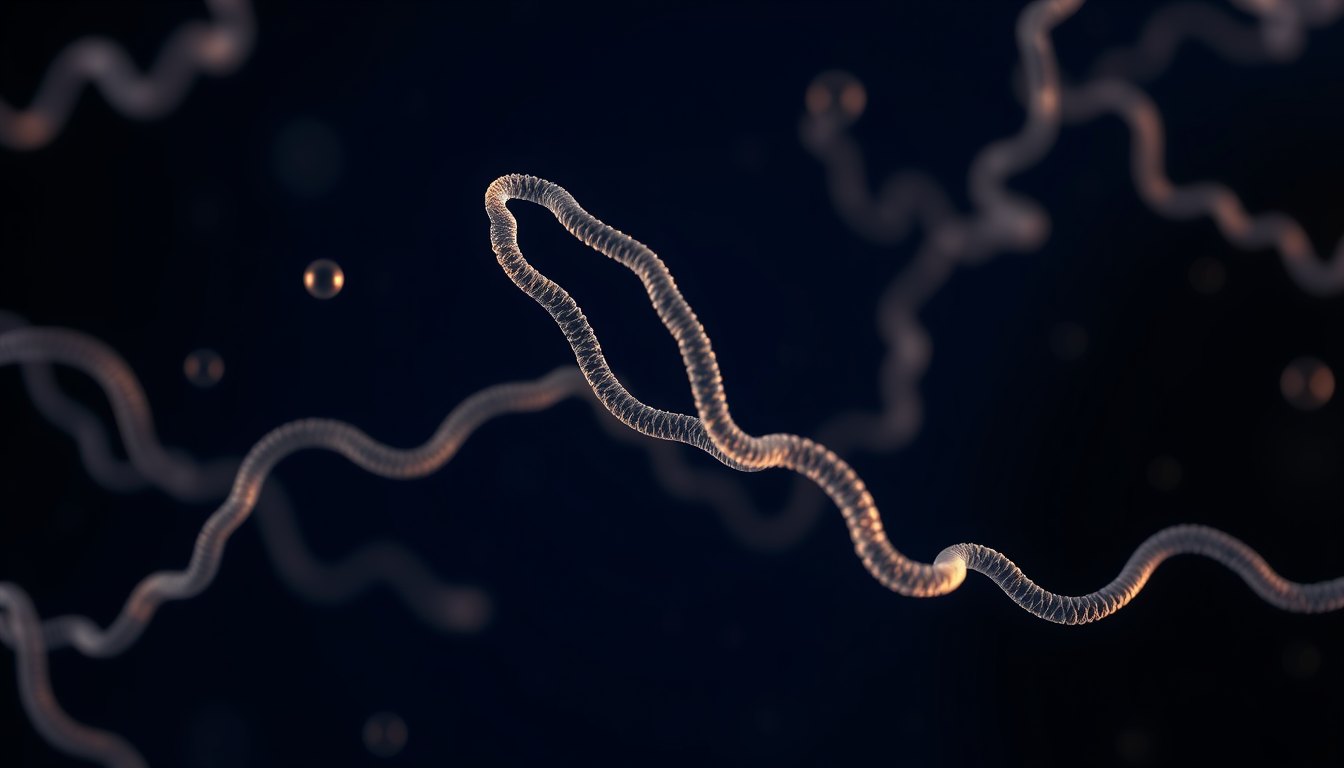
Interferons are cytokines that cells release when they sense infection or misplaced nucleic acid. They fall into three families defined by their receptors: type I (interferon alpha, interferon beta and relatives), type II (interferon gamma) and type III (the interferon lambdas). All three signal through JAK-STAT pathways and switch on interferon stimulated genes, but they differ in which cells make them and which tissues respond. This page summarises what the published literature describes, with citations, and gives no health guidance.
The short version
Interferons are small signalling proteins, a subset of cytokines, that cells release when sensors detect viral products, bacterial components or host nucleic acid in the wrong compartment. Immunology groups them into three families according to the receptor complex they bind: type I (which includes interferon alpha and interferon beta), type II (interferon gamma, a single protein) and type III (the interferon lambdas). All three families engage receptor associated Janus kinases and STAT transcription factors, and all three end up switching on sets of interferon stimulated genes. What differs is the cell types that produce each family, the distribution of the receptors, and the biological consequences when signalling is too weak or too persistent.
This page is for educational purposes only and is not medical advice; consult a licensed physician for any question about symptoms, diagnosis or treatment. It describes published biology and does not describe how any substance should be used.
The three families at a glance
| Family | Main members | Receptor chains | Typical responding cells |
|---|---|---|---|
| Type I | Interferon alpha subtypes, interferon beta, plus less studied members such as interferon epsilon, kappa and omega | IFNAR1 and IFNAR2 | Nearly all nucleated cells |
| Type II | Interferon gamma only | IFNGR1 and IFNGR2 | Broad, with strong effects on macrophages and antigen presenting cells |
| Type III | Interferon lambda family | IFNLR1 with IL10RB | Concentrated at epithelial barriers and in some myeloid cells |
Type I interferons
Type I interferons are the largest family and the most studied. Almost every nucleated cell can produce some type I interferon after intracellular sensing of nucleic acid, and almost every nucleated cell carries the IFNAR1 and IFNAR2 chains needed to respond, which is why this family is often described as the general purpose antiviral alarm.
Plasmacytoid dendritic cells as specialist producers
One rare cell type is dedicated to this output. A 2024 review of plasmacytoid dendritic cell ontogeny and function described these cells as specialised for rapid and very large production of type I interferon following endosomal nucleic acid sensing, and discussed how their developmental origin and functional programme are distinguished from conventional dendritic cells (PMID 38941603). The same review set out how plasmacytoid dendritic cells have been implicated in both antiviral defence and in conditions where interferon production is sustained (PMID 38941603).
Interferon stimulated genes and ISG15
The downstream output of type I interferon signalling is a transcriptional programme of interferon stimulated genes. ISG15 is one of the most strongly induced. A 2018 review in Nature Reviews Microbiology described ISG15 as a ubiquitin like protein induced by type I interferon that is conjugated to target proteins in a process called ISGylation, and reported that ISG15 also exists in free intracellular and secreted forms with distinct functions (PMID 29769653). The same review reported that free intracellular ISG15 stabilises USP18, a negative regulator of type I interferon signalling, so that people lacking ISG15 show amplified and prolonged interferon responses (PMID 29769653). Researchers also described secreted ISG15 acting as a cytokine that promotes interferon gamma production, linking the type I and type II arms, and connected human ISG15 deficiency to susceptibility to mycobacterial disease (PMID 29769653).
Where type I interferon is triggered: the cGAS-STING axis
Cytosolic DNA is one of the main triggers for type I interferon induction. A 2024 review of cGAS-STING signalling described the pathway as a cytosolic DNA sensing route that drives type I interferon production and shapes anti tumour immune responses, and summarised efforts to manipulate it in cancer immunotherapy research (PMID 38172538). A 2026 review in Cancer Cell focused on STING directed approaches and discussed how STING activation generates type I interferon dependent anti tumour immunity, alongside the translational obstacles reported in that field (PMID 41448179).
Doing the math on a vial? The PeptideU app does reconstitution, units and dilution for you.
Try it freeType II interferon
Type II interferon consists of a single protein, interferon gamma, which binds the IFNGR1 and IFNGR2 receptor chains. It is produced largely by natural killer cells and by activated T lymphocytes rather than by infected tissue cells, so it sits closer to the adaptive and innate cellular arms of immunity than to the immediate intracellular alarm handled by type I interferon. Classic descriptions emphasise macrophage activation, upregulation of antigen presentation machinery and control of intracellular pathogens.
The link between interferon gamma biology and intracellular bacteria appears in the human genetics summarised in the ISG15 literature, where researchers reported that loss of secreted ISG15, and the resulting reduction in interferon gamma production, was associated with mycobacterial susceptibility (PMID 29769653). Cell autonomous defence against bacteria also involves autophagy machinery; a 2017 review described autophagy as a host defence process acting at the host-pathogen interface against intracellular bacteria, and detailed the counter strategies bacteria use to evade or exploit it (PMID 28660242).
Type III interferons
The type III family, the interferon lambdas, signals through a receptor made of IFNLR1 paired with IL10RB. The defining feature in standard immunology descriptions is receptor distribution rather than signalling chemistry: IFNLR1 expression is concentrated on epithelial cells lining the respiratory and gastrointestinal tracts and on a limited set of immune cells. Because the downstream transcription factor complex overlaps heavily with that used by type I interferon, the gene programmes induced are similar, while the tissues that can respond are narrower. This arrangement is frequently summarised as barrier focused antiviral protection with less systemic inflammatory reach than type I interferon.
Tracking research? Log entries with dates, lots and notes: records, never plans.
Get the appJAK-STAT signalling in plain terms
All three families work through the same general architecture. The interferon binds its receptor, receptor associated Janus kinases phosphorylate each other and the receptor tails, STAT proteins dock and are phosphorylated, and the activated STATs move to the nucleus and bind DNA elements in front of interferon stimulated genes.
- Type I and type III: JAK1 and TYK2 are the associated kinases. Phosphorylated STAT1 and STAT2 join IRF9 to form the ISGF3 complex, which binds interferon stimulated response elements.
- Type II: JAK1 and JAK2 are the associated kinases. Phosphorylated STAT1 forms a homodimer, often called GAF, which binds gamma activated sequence elements.
- Braking systems: negative regulators restrain the response. USP18 is one such brake, and researchers reported that free ISG15 stabilises USP18 so that the interferon response is switched off appropriately (PMID 29769653).
Because the kinases are shared, pharmacological JAK inhibition affects interferon signalling broadly. A 2024 review of interferonopathies discussed Janus kinase inhibition as a strategy under clinical investigation for disorders driven by constitutive interferon activation, alongside the measurement of interferon signatures in patients (PMID 39122631). That is a description of research activity, not guidance of any kind.
How pathogens push back against interferon
Antagonism of the interferon system is a recurring theme in virology. A 2024 review of influenza A virus nonstructural protein 1 reported that NS1 is a multifunctional viral protein that antagonises host innate immune responses, including interferon induction and interferon stimulated gene activity, and summarised its roles in viral replication and pathogenicity (PMID 38918890). The existence of dedicated viral antagonists is itself evidence of how much selective pressure the interferon system applies.
Want the full course? Every compound, evidence-graded and cited, inside PeptideU.
Start learning freeInterferon signalling in cancer biology
Type I interferon is not uniformly beneficial or harmful in tumour biology. A 2024 review in Immunological Reviews described type I interferon as having context dependent roles in cancer, contributing to immune mediated tumour control in some settings while chronic or sustained signalling was associated with immune dysfunction and therapy resistance in others (PMID 37667466). Work on the cGAS-STING axis sits in the same space: researchers described STING activation as a route to induce type I interferon within tumours and to shape anti tumour immunity, while noting translational difficulties in that approach (PMID 41448179, PMID 38172538).
When interferon signalling goes wrong: What Studies Report
The clearest demonstration that interferon is a double edged signal comes from the interferonopathies, a group of conditions defined by constitutive type I interferon activation. A 2024 review described interferonopathies as a growing category of monogenic and related disorders characterised by inappropriate upregulation of type I interferon, and discussed interferon signature testing as a tool used in clinical practice and research (PMID 39122631).
Aicardi-Goutieres syndrome is the prototype. A 2023 review characterised it as a monogenic type I interferonopathy caused by defects in genes handling intracellular nucleic acid, producing chronic interferon activation with severe early neurological involvement (PMID 37515439). A 2024 review traced the same condition from clinical presentation back to the molecular mechanisms of nucleic acid sensing, and reported that it reshaped understanding of how self derived nucleic acid can drive interferon mediated disease (PMID 39473130).
In systemic lupus erythematosus, a 2020 review described a pathogenic role for type I interferon, including the interferon gene signature seen in many patients and the rationale behind targeting the type I interferon receptor pathway in trials (PMID 33246136). A 2024 Nature Immunology perspective described how responses directed at self nucleic acids and the molecules that bind them can create self amplifying loops in autoimmunity (PMID 38698239). These reports concern disease biology in patients and do not describe anything about supplements or research peptides.
Interferons that exist as approved medicines
Several interferons are licensed pharmaceuticals in various jurisdictions and are identified by generic names such as interferon alfa, peginterferon alfa, interferon beta and interferon gamma-1b. They are prescription biologics, prepared and supervised within regulated medical care. This page states that regulatory fact only and offers no information on indications, administration, monitoring or suitability; those are matters for a licensed physician and the approved labelling.
What this literature does not settle
The cited reviews describe receptor biology, signalling architecture, pathogen antagonism, tumour immunology and interferon driven disease. They do not evaluate any consumer product, and they do not support claims that any compound safely raises or lowers interferon activity in healthy people. Reviews of interferon driven disease reported harm from excessive signalling as well as benefit from appropriate signalling (PMID 39122631, PMID 37667466), which is a reminder that more interferon activity is not a goal in itself.
Related reading
References
- Type I interferon and cancer (Immunological Reviews, 2024)
- Aicardi-Goutieres syndrome: A monogenic type I interferonopathy (Scandinavian Journal of Immunology, 2023)
- Interferonopathies: From concept to clinical practice (Best Practice & Research Clinical Rheumatology, 2024)
- ISG15 in antiviral immunity and beyond (Nature Reviews Microbiology, 2018)
- Ontogeny and Function of Plasmacytoid Dendritic Cells (Annual Review of Immunology, 2024)
- Type I interferon in the pathogenesis of systemic lupus erythematosus (Current Opinion in Immunology, 2020)
- The prototypical interferonopathy: Aicardi-Goutieres syndrome from bedside to bench (Immunological Reviews, 2024)
- Targeting STING to generate therapeutic anti-tumor immunity (Cancer Cell, 2026)
- The ouroboros of autoimmunity (Nature Immunology, 2024)
- Emerging mechanisms and implications of cGAS-STING signaling in cancer immunotherapy strategies (Cancer Biology & Medicine, 2024)
- Research progress on the nonstructural protein 1 (NS1) of influenza A virus (Virulence, 2024)
- Bacterial Autophagy: Offense and Defense at the Host-Pathogen Interface (Cellular and Molecular Gastroenterology and Hepatology, 2017)
Frequently asked questions
What are the three types of interferon?▾
Type I includes interferon alpha and interferon beta and signals through IFNAR1 and IFNAR2; type II is interferon gamma alone, signalling through IFNGR1 and IFNGR2; type III is the interferon lambda family, signalling through IFNLR1 with IL10RB. All three induce interferon stimulated genes, one of the best studied being ISG15, described as a type I interferon induced ubiquitin like protein (PMID 29769653).
Which cells make the most type I interferon?▾
A 2024 review of plasmacytoid dendritic cells described them as specialised for rapid, high level type I interferon production after endosomal nucleic acid sensing, and set out how their developmental origin differs from conventional dendritic cells (PMID 38941603). Most other nucleated cells can also produce type I interferon, but in smaller amounts, after cytosolic sensing of viral or displaced host nucleic acid.
How does JAK-STAT signalling differ between the interferon families?▾
Type I and type III interferons use JAK1 and TYK2, forming the STAT1, STAT2 and IRF9 complex, while type II uses JAK1 and JAK2 with a STAT1 homodimer. Negative regulation matters too: researchers reported that free ISG15 stabilises USP18, a brake on type I interferon signalling, so that ISG15 deficiency leads to amplified interferon responses (PMID 29769653).
Why is too much interferon signalling a problem?▾
A 2024 review defined interferonopathies as disorders of constitutive type I interferon activation and described interferon signature testing used in practice and research (PMID 39122631). Aicardi-Goutieres syndrome was characterised as a monogenic type I interferonopathy caused by defects in nucleic acid handling, with severe neurological involvement (PMID 37515439, PMID 39473130). Any personal health concern belongs with a licensed physician.
What role does type I interferon play in cancer biology?▾
A 2024 review described type I interferon as context dependent in cancer, supporting immune mediated tumour control in some settings while sustained signalling was linked with immune dysfunction and therapy resistance in others (PMID 37667466). Reviews of cGAS-STING signalling discussed STING activation as a way to induce type I interferon in tumours, along with translational obstacles (PMID 38172538, PMID 41448179).
Do viruses interfere with the interferon system?▾
Yes. A 2024 review of influenza A virus nonstructural protein 1 reported that NS1 is multifunctional and antagonises host innate immunity, including interferon induction and interferon stimulated gene activity, contributing to viral replication and pathogenicity (PMID 38918890). Dedicated viral antagonists of this kind illustrate how much selective pressure the interferon response places on pathogens.
Is interferon linked to autoimmune disease?▾
A 2020 review described a pathogenic role for type I interferon in systemic lupus erythematosus, including the interferon gene signature and the rationale for targeting the type I interferon receptor pathway in trials (PMID 33246136). A 2024 perspective described how immune responses to self derived nucleic acids can form self amplifying loops in autoimmunity (PMID 38698239). This page is educational only and is not medical advice.
Track it. Calculate it. Actually understand it.
References
This page summarises published research for education. It is not medical advice, and nothing here is a recommendation to use, purchase, or dose any substance. Study parameters described are what researchers reported, not instructions. Consult a qualified clinician before any health decision.