
How Does Zeocin Work? Mechanism of Action, Per the Research
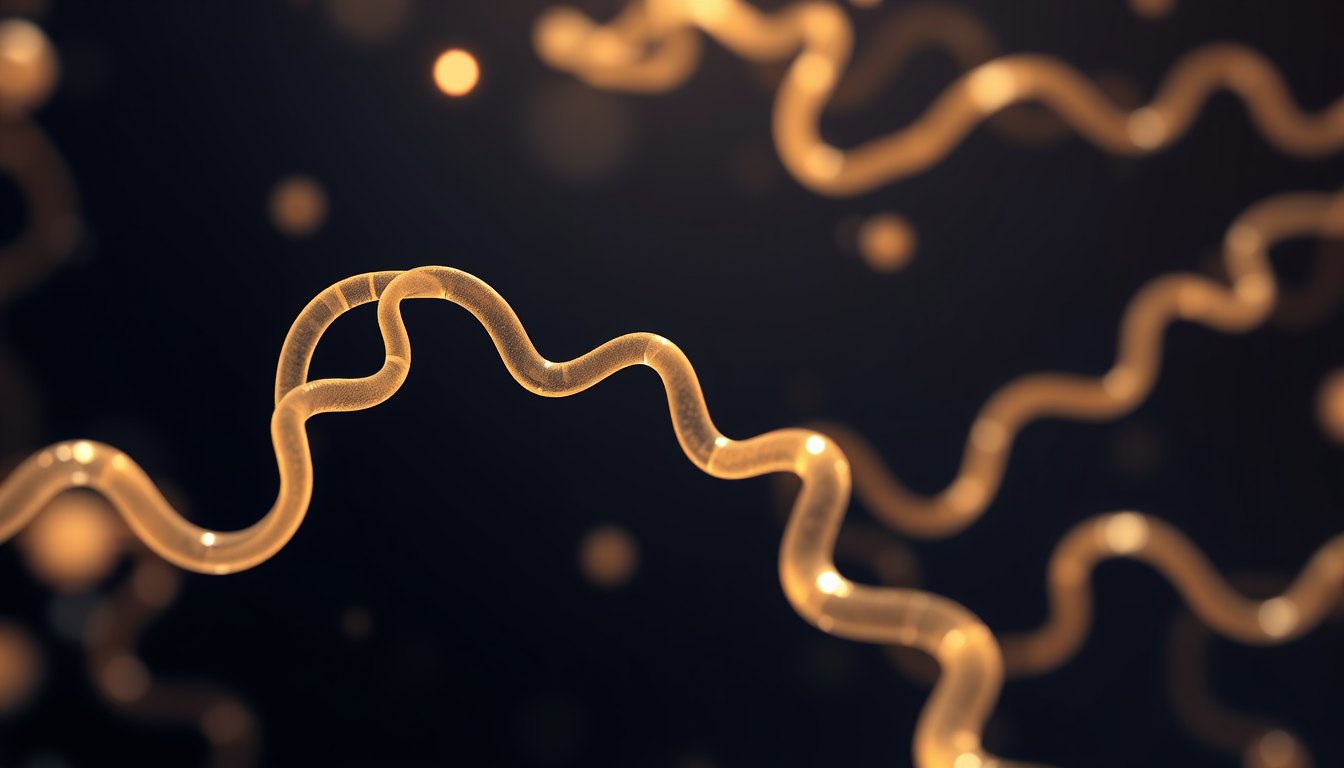
Zeocin is a copper-chelated glycopeptide of the bleomycin and phleomycin family that is used in laboratories as a DNA-damaging selection agent. Published work describes a mechanism based on DNA binding, metal and oxygen dependent radical chemistry, and strand breaks, followed by activation of the cellular DNA damage response. Studies in yeast, plants, fungi and cultured mammalian cells report genomic alterations and damage signalling. Zeocin is a research reagent, not a human therapy, and the literature contains no human pharmacology for it.
The short answer
Zeocin is a trade name for a formulation of phleomycin D1, a copper-chelated glycopeptide in the bleomycin and phleomycin family of antibiotics isolated from Streptomyces species. In published pharmacology, the family is described as a group of metalloglycopeptides that bind DNA, activate molecular oxygen through a bound transition metal, and generate reactive species that cut the sugar phosphate backbone. The practical consequence in a laboratory setting is single and double strand DNA breaks, which kill or arrest cells that lack a resistance protein. Work in the yeast Saccharomyces cerevisiae characterised bleomycin-induced genomic alterations and the underlying mechanisms behind them, linking the drug directly to chromosome level damage rather than to a receptor signalling pathway (PMID 34731050).
This page is for educational purposes only and is not medical advice; consult a licensed physician for any question about health, treatment or laboratory safety. Zeocin is handled as a research use only reagent and is not an approved human medicine; nothing below describes human use, dosing or protocols.
Where Zeocin sits chemically
Zeocin belongs to a closely related group of compounds that share a common architecture: a metal binding domain, a linker region, and a bithiazole DNA binding tail with a positively charged terminus. In the commercial formulation the metal binding domain is complexed with copper, which is reduced and exchanged in the cell. Because the bleomycin and phleomycin scaffolds are so similar, mechanistic studies performed with bleomycin are frequently used to explain phleomycin and Zeocin behaviour, and the yeast genomics work on bleomycin is one example of that mapping between related agents (PMID 34731050).
Not a receptor ligand
Unlike signalling peptides that act through a cell surface receptor, Zeocin has no described receptor target. The literature treats it as a small molecule genotoxin whose target is the DNA duplex itself. A yeast based screen that mapped chromosomal instability induced by small molecular therapeutics placed DNA damaging agents in exactly this category, measuring genome level consequences rather than receptor occupancy (PMID 31053912). Any discussion of receptor targets, second messengers or downstream endocrine physiology does not apply here, and no such pathway has been reported for this compound.
Established mechanism: DNA binding and strand cleavage
The established mechanism described across the bleomycin and phleomycin literature proceeds in steps.
- Cell entry and metal exchange. The copper complexed form is taken up and the metal centre is exchanged or reduced inside the cell, producing a species that can bind iron.
- DNA binding. The bithiazole tail associates with the minor groove, giving the molecule a defined position relative to the deoxyribose backbone.
- Oxygen activation. The metal centre activates molecular oxygen to form an activated complex capable of abstracting a hydrogen atom from deoxyribose.
- Strand cleavage. Hydrogen abstraction leads to backbone breakage. Because the molecule can engage both strands, double strand breaks are produced as well as single strand lesions.
- Genomic consequences. Unrepaired or misrepaired breaks produce deletions, rearrangements and chromosome loss, which is what the yeast genomics study set out to catalogue when researchers mapped bleomycin-induced genomic alterations (PMID 34731050).
A separate yeast model study reported that chromosomal instability can be mapped systematically after exposure to small molecular therapeutics, a methodology that treats strand breakage as the upstream event and karyotype change as the measurable output (PMID 31053912).
Doing the math on a vial? The PeptideU app does reconstitution, units and dilution for you.
Try it freeDownstream signalling: the DNA damage response
Once double strand breaks appear, the cell responds with a conserved damage signalling cascade. The sensor kinase ATM is activated at break sites, histone H2AX is phosphorylated to form gamma H2AX, and mediator proteins such as MDC1 accumulate over large chromatin domains flanking the lesion. A 2024 imaging and modelling study reported that diffusion of activated ATM, rather than a strictly chromatin bound relay, explains why gamma H2AX and MDC1 spread well beyond the DNA damage site itself (PMID 39310780). That mechanism is the reason a small number of breaks can produce a focus visible by microscopy across megabases of chromatin.
Metabolic and repair level consequences
DNA damage signalling is energetically expensive, and poly ADP ribose polymerase activity consumes NAD+ during repair. A metabolomics study in MCF-7 breast cancer cells reported distinct metabolic responses induced by DNA damage and by PARP inhibition, illustrating that genotoxic stress is not limited to the nucleus but reshapes cellular metabolite pools (PMID 26478723). That work used a different experimental system, so it is best read as context for what follows double strand breaks in general rather than as a Zeocin specific result.
Genome maintenance in whole organisms
Damage responses also intersect with developmental biology. In plants, a 2023 study reported that the transcription factor SCARECROW maintains the stem cell niche in Arabidopsis roots by ensuring telomere integrity, a result that connects genome stability pathways to tissue level stem cell behaviour (PMID 36943300). Genotoxic reagents are commonly used in this field to probe how such niches respond to induced damage.
Why Zeocin is used as a selection agent
The second half of the mechanism question is practical rather than chemical. Resistance to Zeocin is conferred by a small resistance protein, commonly encoded by the Sh ble gene, which binds the drug in a one to one fashion and sequesters it so that it can no longer reach DNA. Because the protection is stoichiometric rather than enzymatic, each resistance protein molecule neutralises a limited amount of drug, which is why the reagent behaves as a tunable selection pressure in culture. Cells carrying the resistance cassette survive; cells without it accumulate strand breaks and die.
This property explains why the compound appears throughout vector and cell line engineering papers. A 2018 report described new shuttle vectors for gene cloning and expression in multidrug resistant Acinetobacter species, a setting in which marker choice is constrained by existing antibiotic resistance in the host (PMID 29339383). In filamentous fungi, researchers described an efficient Agrobacterium mediated transformation method for the aflatoxin producing fungus Aspergillus flavus, where selectable markers are required to recover transformants (PMID 29721833).
Mammalian and stem cell work
In human cells, antibiotic selection is used to isolate stable clones after transfection or genome editing. A 2021 report described the generation of a DKK2 homozygous knockout human embryonic stem cell line using the CRISPR/Cas9 system, a workflow that depends on selecting edited clones out of a mixed population (PMID 34856466). Selection is equally central to recombinant protein production: a 2023 study described a chimeric single chain variable fragment human IgG Fc antibody against GD2 developed for neuroblastoma targeted immunotherapy, work that required stable expression of the engineered construct (PMID 38213540).
Older transfection literature shows the same pattern. A 2001 study reported modulation of endogenous beta tubulin isotype expression after human beta III tubulin cDNA was transfected into prostate carcinoma cells, a result that depended on establishing stable transfected lines (PMID 11531260). In algae, a promoter dissection study reported that hypoosmotic expression of Dunaliella bardawil zeta carotene desaturase is driven by a hypoosmolarity responsive element distinct from those of other key carotenogenic genes, work built on reporter constructs introduced into cells (PMID 24632600/).
Tracking research? Log entries with dates, lots and notes — records, never plans.
Get the appEstablished mechanism versus proposed mechanism
| Claim | Status in the literature | Representative citation |
|---|---|---|
| Binds DNA and produces single and double strand breaks | Established for the bleomycin and phleomycin family; genomic alterations mapped in yeast | PMID 34731050 |
| Causes chromosome level instability measurable in a model organism | Established methodology for DNA damaging small molecules | PMID 31053912 |
| Double strand breaks trigger ATM dependent gamma H2AX and MDC1 spreading | Established damage response mechanism, with diffusion of activated ATM reported as the explanation for spread | PMID 39310780 |
| Genotoxic stress reshapes cellular metabolism | Reported in a specific cell model; generalisation to other systems is proposed, not settled | PMID 26478723 |
| Selection with the agent is biologically neutral for surviving clones | Contested; reviews describe off target effects and artifacts in transfection and selection workflows | PMID 28927539 |
| Any receptor mediated or hormonal action | Not described anywhere in the cited literature | No supporting citation |
Off Target and Artifact Effects in Cell Culture: What Studies Report
Because the mechanism is genotoxic, selection pressure is not a silent background condition. A 2017 review of transient and stable vector transfection catalogued pitfalls, off target effects and artifacts that can arise during these procedures, and argued that such effects need to be controlled for when interpreting downstream experiments (PMID 28927539). In the same vein, the yeast chromosomal instability mapping study showed that exposure to DNA damaging small molecules can be scored as karyotype change, which is a direct demonstration that surviving cells may carry genomic consequences (PMID 31053912). The yeast bleomycin study similarly reported genomic alterations attributable to the drug and investigated the mechanisms behind them (PMID 34731050).
No human safety data for Zeocin appear in this citation set. The compound is distributed for laboratory use with handling precautions appropriate to a mutagenic and cytotoxic reagent, and nothing in the published work cited here supports any human application.
Want the full course? Every compound, evidence-graded and cited, inside PeptideU.
Start learning freeLimitations of the current evidence
- Cross species inference. Much of the detailed mechanistic work sits in yeast, which is powerful for genome analysis but is not a mammalian system (PMID 34731050).
- Family level reasoning. Conclusions are often transferred between bleomycin, phleomycin and Zeocin on structural grounds, so compound specific differences in uptake and potency may be understated (PMID 31053912).
- Signalling studies use defined damage models. The ATM diffusion work addressed how damage markers spread, not how a particular reagent behaves in every cell type (PMID 39310780).
- Selection artifacts are documented but variable. The transfection review described artifacts as context dependent rather than universal (PMID 28927539).
- No human pharmacokinetics. None of the cited papers reported absorption, distribution or clearance in humans.
Related reading
For a broader overview of what Zeocin is, where it appears in the literature and how it is classified, see the Zeocin learn page.
Doing the math on a vial? The PeptideU app does reconstitution, units and dilution for you.
Try it freeReferences
- Uncovering Bleomycin-Induced Genomic Alterations and Underlying Mechanisms in the Yeast Saccharomyces cerevisiae (Applied and Environmental Microbiology, 2022)
- Mapping chromosomal instability induced by small-molecular therapeutics in a yeast model (Applied Microbiology and Biotechnology, 2019)
- Diffusion of activated ATM explains gamma H2AX and MDC1 spread beyond the DNA damage site (iScience, 2024)
- Metabolic responses induced by DNA damage and poly (ADP-ribose) polymerase (PARP) inhibition in MCF-7 cells (Metabolomics, 2015)
- SCARECROW maintains the stem cell niche in Arabidopsis roots by ensuring telomere integrity (Plant Physiology, 2023)
- Transient and stable vector transfection: Pitfalls, off-target effects, artifacts (Mutation Research Reviews in Mutation Research, 2017)
- New Shuttle Vectors for Gene Cloning and Expression in Multidrug-Resistant Acinetobacter Species (Antimicrobial Agents and Chemotherapy, 2018)
- An efficient Agrobacterium-mediated transformation method for aflatoxin generation fungus Aspergillus flavus (Journal of Microbiology, 2018)
- Generation of a DKK2 homozygous knockout human embryonic stem cell line using the CRISPR/Cas9 system (Stem Cell Research, 2021)
- Chimeric single-chain variable fragment-human immunoglobulin G crystallizable fragment antibody against GD2 for neuroblastoma targeted immunotherapy (Exploration of Targeted Anti-tumor Therapy, 2023)
- Hypoosmotic expression of Dunaliella bardawil zeta-carotene desaturase is attributed to a hypoosmolarity-responsive element different from other key carotenogenic genes (Plant Physiology, 2014)
- Modulation of endogenous beta-tubulin isotype expression as a result of human beta(III) cDNA transfection into prostate carcinoma cells (British Journal of Cancer, 2001)
Frequently asked questions
What is the core mechanism of action described for Zeocin?▾
Published work on the bleomycin and phleomycin family describes DNA binding followed by metal and oxygen dependent radical chemistry that cleaves the sugar phosphate backbone, producing single and double strand breaks. A yeast study mapped bleomycin-induced genomic alterations and the mechanisms behind them (PMID 34731050), and a related yeast model reported chromosomal instability after exposure to DNA damaging small molecules (PMID 31053912).
Does Zeocin act on a cell surface receptor?▾
No receptor target has been described for Zeocin in the cited literature. It is treated as a genotoxin whose target is DNA itself rather than a signalling receptor. Yeast based mapping of chromosomal instability measured genome level outcomes rather than receptor binding (PMID 31053912), and the bleomycin genomics study likewise focused on DNA level alterations (PMID 34731050).
What happens inside a cell after Zeocin induced double strand breaks?▾
Double strand breaks activate the ATM kinase, which drives phosphorylation of histone H2AX and recruitment of mediator proteins. A 2024 study reported that diffusion of activated ATM explains why gamma H2AX and MDC1 signals spread beyond the break site (PMID 39310780). Genotoxic stress also alters metabolism, as reported in MCF-7 cells exposed to DNA damage and PARP inhibition (PMID 26478723).
Why is Zeocin used as a selection agent in laboratories?▾
Cells carrying a resistance protein bind and sequester the drug, so only transformed or edited cells survive. Selection appears across vector and cell engineering papers, including new shuttle vectors for multidrug resistant Acinetobacter species (PMID 29339383), Agrobacterium mediated transformation of Aspergillus flavus (PMID 29721833), and generation of a DKK2 knockout human embryonic stem cell line (PMID 34856466).
Can selection with a DNA damaging agent affect the surviving cells?▾
A 2017 review of transient and stable vector transfection catalogued pitfalls, off target effects and artifacts that can complicate interpretation of such experiments (PMID 28927539). Separately, researchers reported that exposure to DNA damaging small molecules can be scored as chromosomal instability in a yeast model, indicating that genomic consequences in survivors are measurable (PMID 31053912).
Is any of this evidence from humans?▾
No. The cited work sits in yeast, plants, fungi and cultured cells. Examples include genomic alteration mapping in Saccharomyces cerevisiae (PMID 34731050), telomere integrity and the root stem cell niche in Arabidopsis (PMID 36943300), and recombinant antibody engineering in cell culture (PMID 38213540). No human pharmacokinetic or clinical data for Zeocin appear in this citation set.
What distinguishes established mechanism from proposed mechanism here?▾
DNA strand cleavage and the resulting genomic alterations are well established for this chemical family (PMID 34731050), as is ATM driven damage signalling after double strand breaks (PMID 39310780). Broader claims, such as how genotoxic stress reshapes metabolism across cell types, rest on specific models and remain proposed rather than settled (PMID 26478723).
Track it. Calculate it. Actually understand it.
References
This page summarises published research for education — it is not medical advice, and nothing here is a recommendation to use, purchase, or dose any substance. Study parameters described are what researchers reported, not instructions. Consult a qualified clinician before any health decision.