
How Does Natriuretic Peptide Work? Mechanism and What Studies Report
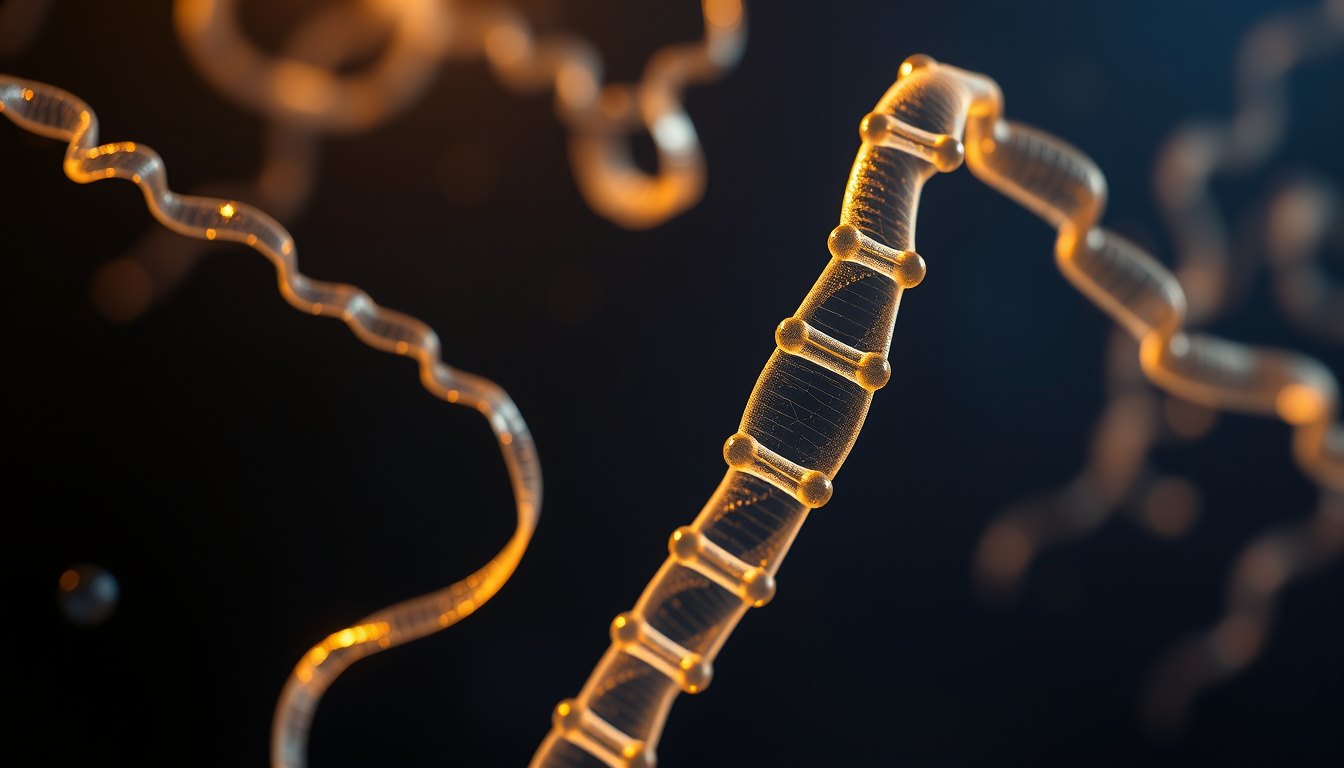
Natriuretic peptides are hormones released mainly by heart muscle cells and blood vessel linings. They bind guanylyl cyclase receptors (NPR-A and NPR-B), which make the second messenger cGMP and switch on protein kinase G inside target cells. Published work describes effects on sodium handling, vascular tone, bone growth, metabolism and immune signalling, with a third receptor (NPR-C) handling clearance. This page summarises that literature for education only and gives no treatment guidance.
In plain language: the heart is not only a pump. It is also an endocrine organ. When the heart chambers stretch because of extra blood volume or pressure, heart muscle cells release small protein messengers called natriuretic peptides into the bloodstream. Those messengers travel to the kidney, blood vessels, fat tissue and other organs, dock onto specific receptors, and trigger a chemical signal inside the cell that generally favours losing sodium and water, relaxing blood vessels and lowering pressure load back on the heart.
This page explains the biology step by step and cites the published source for every factual claim. It is a mechanism explainer, not advice. For the broader overview, see the natriuretic peptide physiology hub, the natriuretic peptide glossary entry and the general peptide hormone definition.
This page is for educational purposes only and is not medical advice; consult a licensed physician or other qualified clinician about any personal health question, symptom or medication.
The family: three peptides, three main sources
The natriuretic peptide family is usually described as three related hormones with overlapping structures but different tissue origins.
- Atrial natriuretic peptide (ANP) is produced and stored by atrial cardiomyocytes and released by regulated secretion. A 2023 translational study examined the machinery behind that release and reported that the enzyme zDHHC9 regulates cardiomyocyte Rab3a activity and ANP secretion through palmitoylation of Rab3gap1 (PMID 37325411).
- B-type natriuretic peptide (BNP) comes largely from ventricular myocardium under wall stress. Work in diabetic cardiomyopathy models reported that BNP acted through a PKG-STAT3 pathway to promote Opa1-mediated mitochondrial fusion (PMID 37116257).
- C-type natriuretic peptide (CNP) is produced mainly outside the heart, notably by vascular endothelium, and a 2024 pharmacology review described CNP as acting on the cardiovascular system and beyond, including roles in growth and reproduction (PMID 39154787).
The receptors: how the signal gets inside a cell
Natriuretic peptides do not enter cells. They bind receptors embedded in the cell membrane, and the receptor itself generates the internal signal.
NPR-A (guanylyl cyclase-A)
NPR-A is the principal receptor for ANP and BNP. A molecular review of guanylyl cyclase/natriuretic peptide receptor-A described its identification, molecular characterisation and physiological genomics, including the receptor's intrinsic guanylyl cyclase activity that converts GTP into cyclic GMP (PMID 36683859). That review framed NPR-A signalling as central to blood pressure and fluid volume regulation at the genomic level (PMID 36683859).
NPR-B (guanylyl cyclase-B)
NPR-B is the preferred receptor for CNP and also produces cGMP. The 2024 CNP review summarised CNP/NPR-B signalling across vascular, cardiac and non-cardiovascular tissues (PMID 39154787). A reproductive physiology review described how CNP produced by follicular cells acts on oocyte-cumulus complexes as part of intercellular communication that maintains meiotic arrest within the ovarian follicle (PMID 27860834).
NPR-C (the clearance receptor)
NPR-C lacks guanylyl cyclase activity and has long been characterised as a clearance receptor that internalises peptide and limits how long it circulates. Research published in 2024 reported that natriuretic peptide receptor-C perturbs mitochondrial respiration in white adipose tissue, indicating that NPR-C is not purely a sink but also shapes metabolic signalling in fat (PMID 39154732).
Doing the math on a vial? The PeptideU app does reconstitution, units and dilution for you.
Try it freeThe second messenger cascade in plain steps
- Stretch or local stimulus triggers peptide release; secretory handling in atrial cells was reported to depend on Rab3a regulation via zDHHC9 and Rab3gap1 palmitoylation (PMID 37325411).
- The circulating peptide binds the extracellular domain of NPR-A or NPR-B (PMID 36683859).
- The receptor's intracellular guanylyl cyclase domain converts GTP to cGMP (PMID 36683859).
- cGMP activates protein kinase G (PKG), which phosphorylates downstream targets; a cardiac study reported PKG-STAT3 activation downstream of BNP in a diabetic cardiomyopathy model (PMID 37116257).
- Signal termination occurs through peptide clearance, with NPR-C implicated in receptor-mediated handling and, in adipose tissue, in mitochondrial respiration effects (PMID 39154732).
Receptor signalling of this general type also depends on phosphorylation state. A review of protein phosphatase 5 described that enzyme as a serine/threonine phosphatase involved in stress-responsive signalling and chaperone-associated regulation (PMID 17951098), and methods reviews of endocytosis monitoring in astrocytes described the general laboratory approaches used to track receptor internalisation in cells (PMID 33222129).
Physiological roles described in the literature
| System | What published work described | Source |
|---|---|---|
| Blood pressure and volume | NPR-A guanylyl cyclase signalling characterised as a core regulator of pressure and fluid balance at the physiological genomics level | PMID 36683859 |
| Vascular and cardiac tissue | CNP reviewed as acting on the cardiovascular system and extending beyond it | PMID 39154787 |
| Metabolism and muscle | Loss of ANP signalling reported to cause insulin resistance, mitochondrial dysfunction and low endurance capacity | PMID 39383215 |
| White adipose tissue | NPR-C reported to perturb mitochondrial respiration | PMID 39154732 |
| Immune signalling | Natriuretic peptides described as regulators of dendritic cell mediated inflammation | PMID 40643749 |
| Reproduction | CNP described within follicular intercellular communication controlling oocyte meiosis | PMID 27860834 |
Cardiovascular and renal signalling
The classic description is natriuresis, meaning increased sodium excretion by the kidney, alongside vasorelaxation. The NPR-A review placed guanylyl cyclase-A signalling at the centre of that regulation and discussed genetic models used to probe it (PMID 36683859). The CNP review added that CNP signalling extends across vascular biology and other organ systems (PMID 39154787).
Metabolic and mitochondrial signalling
More recent work has emphasised metabolic roles. A 2024 Science Advances study reported that loss of atrial natriuretic peptide signalling caused insulin resistance, mitochondrial dysfunction and low endurance capacity in the experimental model studied (PMID 39383215). Complementing that, researchers reported that NPR-C perturbed mitochondrial respiration in white adipose tissue (PMID 39154732), and a cardiac study reported BNP-driven Opa1-mediated mitochondrial fusion via PKG-STAT3 activation in diabetic cardiomyopathy models (PMID 37116257). Taken together, these reports describe a pathway with mitochondrial consequences rather than purely haemodynamic ones (PMID 39383215, PMID 39154732).
Immune and inflammatory signalling
A 2025 review in Cellular and Molecular Life Sciences described natriuretic peptides as novel regulators of dendritic cell mediated inflammation, extending the pathway into antigen-presenting cell biology (PMID 40643749).
Skeletal and reproductive signalling
CNP acting at NPR-B is the arm of the family most associated with endochondral bone growth and with reproductive physiology. The 2024 CNP review covered those non-cardiovascular roles (PMID 39154787), while a physiology review described CNP signalling within the ovarian follicle as part of the intercellular communication that regulates mammalian oocyte meiosis (PMID 27860834).
Tracking research? Log entries with dates, lots and notes: records, never plans.
Get the appApproved medicines that act on this pathway
Regulatory information is included here as label-level fact only, by generic name, and is not guidance about use.
- Sacubitril/valsartan is an approved combination in which the sacubitril component inhibits neprilysin, the enzyme that degrades natriuretic peptides. A 2017 review in Heart discussed the drug's actions beyond natriuretic peptides, noting that neprilysin inhibition affects multiple peptide substrates (PMID 28689178).
- Navepegritide, a CNP-based agent, was the subject of a 2026 first approval report in Drugs describing its approval status (PMID 42234372).
Decisions about any prescription medicine belong with a licensed prescriber who knows the individual case.
Safety and Adverse Events: What Studies Report
The verified literature summarised on this page is largely mechanistic and does not provide a consolidated human safety profile for natriuretic peptides as a class. The review of sacubitril/valsartan noted that neprilysin inhibition has consequences beyond natriuretic peptide metabolism because neprilysin degrades several peptide substrates, which is relevant to how the drug's overall effects are interpreted (PMID 28689178). Preclinical findings of insulin resistance and mitochondrial dysfunction when ANP signalling was lost (PMID 39383215) and of altered mitochondrial respiration linked to NPR-C in adipose tissue (PMID 39154732) illustrate that the pathway has systemic metabolic reach. Approval status for navepegritide was reported in 2026 (PMID 42234372); label-specific safety information belongs to the official prescribing documents and to a treating clinician, not to a general education page. No dosing information is provided here.
Want the full course? Every compound, evidence-graded and cited, inside PeptideU.
Start learning freeWhat the mechanism does not explain
Mechanistic clarity at the receptor does not translate automatically into clinical outcomes. Much of the metabolic and immune work cited is preclinical or review level (PMID 39154732, PMID 40643749), and findings in animal or cell models do not establish what happens in people. Laboratory techniques matter too: methods for monitoring endocytosis described in cell systems illustrate how receptor trafficking is measured experimentally rather than inferred (PMID 33222129). Readers comparing papers should note species, model and whether a result describes a receptor-level event or a whole-organism outcome.
Key takeaways
- Natriuretic peptides are released by cardiac and vascular tissue; atrial secretion machinery was reported to involve zDHHC9, Rab3a and Rab3gap1 palmitoylation (PMID 37325411).
- NPR-A and NPR-B are guanylyl cyclase receptors that generate cGMP (PMID 36683859), while NPR-C clears peptide and was reported to influence adipose mitochondrial respiration (PMID 39154732).
- cGMP activates PKG; BNP-driven PKG-STAT3 signalling and Opa1-mediated mitochondrial fusion were reported in cardiac models (PMID 37116257).
- Roles described extend to metabolism (PMID 39383215), immunity (PMID 40643749) and reproduction (PMID 27860834).
For definitions and background, see the physiology hub, the glossary entry and peptide hormone.
References
- Guanylyl cyclase/natriuretic peptide receptor-A: Identification, molecular characterization, and physiological genomics (Frontiers in Molecular Neuroscience, 2022)
- C-type natriuretic peptide (CNP): The cardiovascular system and beyond (Pharmacology & Therapeutics, 2024)
- Loss of atrial natriuretic peptide signaling causes insulin resistance, mitochondrial dysfunction, and low endurance capacity (Science Advances, 2024)
- Natriuretic peptide receptor-C perturbs mitochondrial respiration in white adipose tissue (Journal of Lipid Research, 2024)
- BNP protects against diabetic cardiomyopathy by promoting Opa1-mediated mitochondrial fusion via activating the PKG-STAT3 pathway (Redox Biology, 2023)
- zDHHC9 Regulates Cardiomyocyte Rab3a Activity and Atrial Natriuretic Peptide Secretion Through Palmitoylation of Rab3gap1 (JACC: Basic to Translational Science, 2023)
- Natriuretic peptides as novel regulators of dendritic cells-mediated inflammation (Cellular and Molecular Life Sciences, 2025)
- Regulation of Mammalian Oocyte Meiosis by Intercellular Communication Within the Ovarian Follicle (Annual Review of Physiology, 2017)
- Sacubitril/valsartan: beyond natriuretic peptides (Heart, 2017)
- Navepegritide: First Approval (Drugs, 2026)
- Protein phosphatase 5 (The International Journal of Biochemistry & Cell Biology, 2008)
- Methods for Monitoring Endocytosis in Astrocytes (Methods in Molecular Biology, 2021)
Frequently asked questions
Where are natriuretic peptides made in the body?▾
ANP comes mainly from atrial heart muscle cells, and researchers reported that its secretion depends on zDHHC9 regulation of Rab3a through palmitoylation of Rab3gap1 (PMID 37325411). BNP is associated with ventricular myocardium, and CNP is produced largely outside the heart, including vascular endothelium, as described in a 2024 review of CNP across the cardiovascular system and beyond (PMID 39154787).
Which receptor does the natriuretic peptide pathway use?▾
ANP and BNP act primarily at NPR-A, a guanylyl cyclase receptor characterised in a molecular and physiological genomics review as producing cyclic GMP from GTP (PMID 36683859). CNP acts mainly at NPR-B (PMID 39154787). NPR-C is the clearance receptor, and a 2024 study reported that it perturbs mitochondrial respiration in white adipose tissue (PMID 39154732).
What does cGMP actually do inside the cell?▾
Cyclic GMP generated by the receptor's guanylyl cyclase domain activates protein kinase G, which phosphorylates downstream targets (PMID 36683859). In a diabetic cardiomyopathy model, the study reported that BNP promoted Opa1-mediated mitochondrial fusion by activating the PKG-STAT3 pathway, linking the second messenger cascade to mitochondrial dynamics (PMID 37116257).
Do natriuretic peptides affect anything besides blood pressure?▾
Yes, according to published work. Researchers reported that loss of ANP signalling caused insulin resistance, mitochondrial dysfunction and low endurance capacity (PMID 39383215). A 2025 review described natriuretic peptides as regulators of dendritic cell mediated inflammation (PMID 40643749), and a physiology review described CNP within follicular communication that regulates oocyte meiosis (PMID 27860834).
Are there approved medicines that act on this pathway?▾
Yes. Sacubitril/valsartan contains a neprilysin inhibitor, and a 2017 review discussed that neprilysin inhibition has actions beyond natriuretic peptides because the enzyme degrades several substrates (PMID 28689178). Navepegritide, a CNP-based agent, was covered in a 2026 first approval report (PMID 42234372). Any question about prescription treatment belongs with a licensed physician.
Does this mechanism research apply directly to humans?▾
Not automatically. Much of the metabolic and immune evidence cited is preclinical or review level (PMID 39154732, PMID 40643749), so findings describe models rather than clinical outcomes. Laboratory methods such as endocytosis monitoring illustrate how receptor trafficking is measured experimentally rather than assumed (PMID 33222129). This page is educational only and is not medical advice.
How is the natriuretic peptide signal switched off?▾
Termination involves peptide clearance and enzymatic degradation. NPR-C binds peptide without generating cGMP, and researchers reported it also perturbs mitochondrial respiration in white adipose tissue (PMID 39154732). Neprilysin degrades natriuretic peptides, which is why its inhibition was discussed as having effects beyond this peptide family (PMID 28689178). Phosphatase activity also shapes signalling more broadly (PMID 17951098).
Track it. Calculate it. Actually understand it.
References
This page summarises published research for education. It is not medical advice, and nothing here is a recommendation to use, purchase, or dose any substance. Study parameters described are what researchers reported, not instructions. Consult a qualified clinician before any health decision.