
How Does Bimagrumab Work? Mechanism of Action, Per the Research
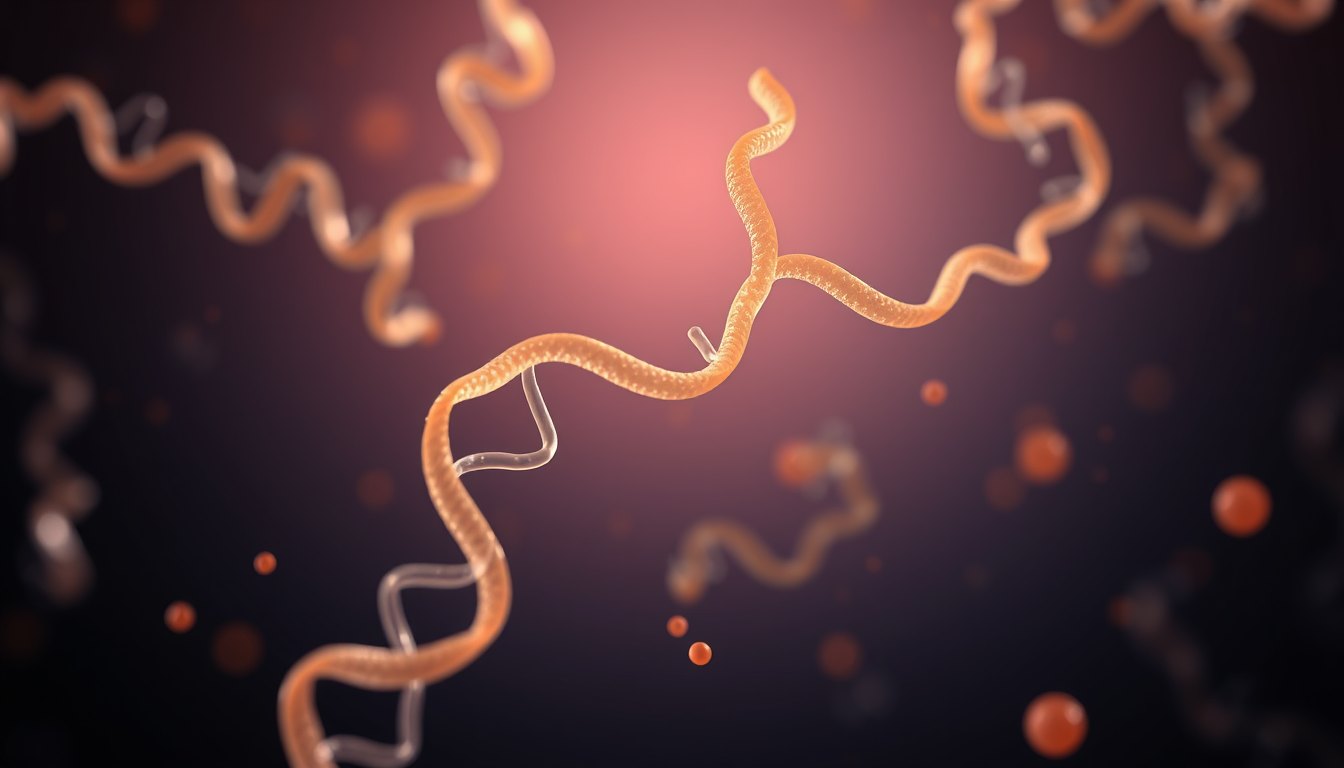
Bimagrumab is an investigational human monoclonal antibody that binds activin type II receptors (ActRIIA and ActRIIB) on muscle and other tissues, blocking ligands such as myostatin and activins from signalling through them. Published pharmacology describes downstream reduction of Smad2/3 signalling and, in animal work, skeletal muscle hypertrophy. Human trials have measured changes in lean and fat mass rather than receptor biology directly. This page summarises that literature and separates established receptor pharmacology from proposed downstream explanations.
What bimagrumab is, in pharmacological terms
Bimagrumab (development code BYM338) has been described in the published literature as a fully human monoclonal antibody directed against activin type II receptors, developed and investigated as an agent for obesity and for conditions involving muscle loss, according to a 2024 review of the compound (PMID 39385353). A dedicated pharmacokinetics and pharmacodynamics review of bimagrumab summarised how the antibody behaves in the body across clinical studies and how exposure relates to measured pharmacodynamic signals (PMID 36527600). Because it is an antibody rather than a small molecule or a peptide hormone, its mechanism is defined by what it binds to and what it prevents from binding, rather than by entering cells.
This page is for educational purposes only and is not medical advice; consult a licensed physician for any question about a medical condition or treatment. Bimagrumab is investigational; the summaries below describe what published studies report, not what any individual should do.
The receptor target: ActRIIA and ActRIIB
Activin type II receptors are cell-surface serine/threonine kinase receptors that serve as the entry point for a family of TGF- u03b2 superfamily ligands, including myostatin (GDF-8), activin A and related growth factors. The 2024 review of bimagrumab described the antibody as acting on these activin type II receptors to interrupt that ligand u2013receptor interaction in skeletal muscle (PMID 39385353). Two receptor subtypes are relevant: ActRIIA and ActRIIB. Preclinical work published in PNAS compared antibodies that block one receptor with an antibody that blocks both, and the researchers reported that dual blockade of ActRIIA and ActRIIB was critical to achieve maximal skeletal muscle hypertrophy in that animal model (PMID 29109273). That paper is the clearest published rationale for why a dual-receptor antibody was pursued rather than a single-receptor or single-ligand approach.
What happens downstream when the receptor is engaged
In the canonical pathway described in the bimagrumab review, ligand binding to activin type II receptors recruits type I receptors and activates Smad2/3 signalling, which in turn restrains muscle protein accretion; blocking the type II receptor is described as removing that restraint (PMID 39385353). A systematic review and meta-analysis of bimagrumab's effects on body composition framed the drug in the same way u2014 as an activin type II receptor antagonist evaluated for its influence on lean and fat compartments (PMID 39251484). Reviews of sarcopenia therapeutics have placed myostatin u2013activin pathway inhibition, including antibodies against activin type II receptors, within the broader landscape of interventions investigated for muscle preservation (PMID 40580805).
Established mechanism versus proposed mechanism
It is useful to separate what is directly demonstrated in published pharmacology from what is inferred to explain clinical observations. The table below reflects that split as described in the cited papers.
| Mechanistic claim | Status in the literature | Source |
|---|---|---|
| Binds activin type II receptors (ActRIIA/ActRIIB) and blocks ligand signalling | Established target pharmacology, described in reviews of the compound | PMID 39385353 |
| Dual ActRIIA + ActRIIB blockade produces greater muscle hypertrophy than single-receptor blockade | Demonstrated in animal and in vitro work, not in humans | PMID 29109273 |
| Measurable exposure u2013response relationship after dosing in humans | Characterised in a dedicated pharmacokinetic/pharmacodynamic review | PMID 36527600 |
| Shifts body composition toward increased lean mass and reduced fat mass | Reported as trial and meta-analysis outcomes | PMID 33439265, PMID 39251484 |
| Fat loss is driven by muscle-mediated changes in energy handling | Proposed explanation; not separately established in the cited human work | PMID 39385353 |
Doing the math on a vial? The PeptideU app does reconstitution, units and dilution for you.
Try it freePreclinical evidence (animal and cell work)
The strongest direct mechanistic evidence comes from non-human studies, and it should be read as such. In the PNAS study, researchers compared selective and dual activin type II receptor antibodies and reported that blocking both ActRIIA and ActRIIB was necessary for the largest skeletal muscle hypertrophy response observed (PMID 29109273). A separate 2024 preclinical study in Molecular Metabolism tested antibody blockade of activin type II receptors in combination with GLP-1 receptor agonism and reported that the combination preserved skeletal muscle mass while enhancing fat loss relative to GLP-1 receptor agonism alone in that model (PMID 38218536). The study provided the mechanistic bridge between muscle-pathway blockade and modern incretin-based weight management, but it was animal work, and the authors' findings cannot be assumed to transfer unchanged to humans.
Human pharmacology: what has been measured
In people, the published work has largely measured downstream physiology rather than receptor occupancy. The pharmacokinetics and pharmacodynamics review of bimagrumab collated the clinical exposure data and the pharmacodynamic markers used to track its activity across development (PMID 36527600). A phase 2 randomised clinical trial published in JAMA Network Open compared bimagrumab with placebo in adults with type 2 diabetes and obesity and reported effects on total body fat mass alongside lean mass as the study's body-composition endpoints (PMID 33439265). A 2024 systematic review and meta-analysis pooled available bimagrumab studies and reported directionally consistent changes in body composition compartments across them (PMID 39251484).
A 2026 randomised phase 2 trial published in Nature Medicine evaluated bimagrumab and semaglutide, alone and in combination, in the treatment of obesity u2014 a design that directly tested in humans the combination logic first explored in rodents (PMID 41772149). Pipeline reviews of future obesity medications have listed activin type II receptor antibodies among the agents being developed specifically with body-composition quality in mind rather than total weight alone (PMID 38302593).
Why muscle-sparing mechanisms attracted attention
A 2024 review in Metabolism examined how weight loss affects fat-free mass, muscle, bone and haematopoiesis, and discussed the implications for emerging pharmacotherapies that aim to reduce fat while preserving lean mass (PMID 39481534). A 2025 review of nutrition support during GLP-1-based therapy addressed the same concern from the dietary side, considering whether protein and nutritional strategies are needed when substantial weight loss occurs (PMID 40401903). Those reviews describe the clinical problem that an activin type II receptor antibody was proposed to address; they do not themselves establish that bimagrumab solves it.
Tracking research? Log entries with dates, lots and notes — records, never plans.
Get the appHow the mechanism is thought to connect to fat mass
The link between a muscle-pathway receptor and adipose tissue is the least settled part of the picture. The 2024 compound review described activin type II receptors as being expressed beyond skeletal muscle, including in adipose tissue, which offers one proposed route by which receptor blockade could influence fat mass directly rather than only through muscle (PMID 39385353). An alternative proposed explanation is indirect: a larger or better-preserved muscle compartment alters whole-body energy handling. The human trial data report the net body-composition outcome (PMID 33439265) and the meta-analysis reports its consistency across studies (PMID 39251484), but neither was designed to adjudicate between those two mechanistic explanations. Readers encountering confident claims about which pathway dominates should note that the cited literature does not resolve it.
Adverse Events: What Studies Report
Adverse-event information in the verified literature comes from the trials and the pooled analysis rather than from mechanistic papers. The phase 2 randomised trial in adults with type 2 diabetes and obesity collected safety data alongside its body-composition endpoints, and researchers reported that adverse events occurred more frequently with bimagrumab than with placebo, with muscle-related and gastrointestinal events among those recorded (PMID 33439265). The 2024 systematic review and meta-analysis summarised outcomes across bimagrumab studies and is the appropriate source for how consistent those signals were across trials (PMID 39251484). The 2026 phase 2 trial of bimagrumab with semaglutide reported safety and tolerability alongside efficacy endpoints for the combination (PMID 41772149), and the pharmacokinetics and pharmacodynamics review is the source for how exposure has been characterised in humans (PMID 36527600). The full adverse-event tables sit in the primary publications and are not reproduced here.
Want the full course? Every compound, evidence-graded and cited, inside PeptideU.
Start learning freeLimits of the mechanistic picture
- Receptor occupancy is inferred, not routinely measured in humans. Clinical studies have tracked body composition and exposure markers rather than direct receptor engagement (PMID 36527600).
- The clearest dual-receptor evidence is preclinical. The comparison showing that blocking both ActRIIA and ActRIIB mattered most was conducted in animal models (PMID 29109273).
- Combination logic began in rodents. The muscle-preserving, fat-loss-enhancing effect during GLP-1 receptor agonism was first reported preclinically (PMID 38218536) before being tested in a human phase 2 trial (PMID 41772149).
- It remains investigational. Pipeline reviews list it among agents in development for obesity rather than as an approved therapy (PMID 38302593).
- Long-term consequences of chronic pathway blockade are not settled. Reviews of fat-free mass, bone and haematopoiesis during weight loss highlight the breadth of tissues involved (PMID 39481534).
Summary of the mechanism as described
- Bimagrumab is a human monoclonal antibody against activin type II receptors (PMID 39385353).
- Binding blocks myostatin, activins and related ligands from signalling through ActRIIA/ActRIIB, reducing downstream Smad2/3 activity as described in that review (PMID 39385353).
- In animal work, dual-receptor blockade produced the greatest skeletal muscle hypertrophy (PMID 29109273).
- In humans, trials and a meta-analysis reported changes in lean and fat mass compartments (PMID 33439265, PMID 39251484).
- The combination with incretin therapy has been examined preclinically (PMID 38218536) and in a randomised phase 2 trial (PMID 41772149).
Related reading: Bimagrumab: what the research covers.
Doing the math on a vial? The PeptideU app does reconstitution, units and dilution for you.
Try it freeReferences
- Bimagrumab: an investigational human monoclonal antibody against activin type II receptors for treating obesity (Journal of Basic and Clinical Physiology and Pharmacology, 2024)
- Blockade of activin type II receptors with a dual anti-ActRIIA/IIB antibody is critical to promote maximal skeletal muscle hypertrophy (PNAS, 2017)
- Pharmacokinetics and Pharmacodynamics of Bimagrumab (BYM338) (Clinical Pharmacokinetics, 2023)
- Effect of Bimagrumab vs Placebo on Body Fat Mass Among Adults With Type 2 Diabetes and Obesity: A Phase 2 Randomized Clinical Trial (JAMA Network Open, 2021)
- Effect of Bimagrumab on body composition: a systematic review and meta-analysis (Aging Clinical and Experimental Research, 2024)
- Antibody blockade of activin type II receptors preserves skeletal muscle mass and enhances fat loss during GLP-1 receptor agonism (Molecular Metabolism, 2024)
- Bimagrumab plus semaglutide alone or in combination for the treatment of obesity: a randomized phase 2 trial (Nature Medicine, 2026)
- The impact of weight loss on fat-free mass, muscle, bone and hematopoiesis health (Metabolism, 2024)
- Nutrition support whilst on glucagon-like peptide-1 based therapy. Is it necessary? (Current Opinion in Clinical Nutrition and Metabolic Care, 2025)
- What is the pipeline for future medications for obesity? (International Journal of Obesity, 2025)
- Therapeutic advances in sarcopenia management: From traditional interventions to personalized medicine (Clinical Nutrition, 2025)
Frequently asked questions
What receptors does bimagrumab bind?▾
Published reviews describe bimagrumab as a fully human monoclonal antibody directed against activin type II receptors, ActRIIA and ActRIIB (PMID 39385353). Preclinical work compared single-receptor and dual-receptor antibodies and reported that blocking both receptors was critical for maximal skeletal muscle hypertrophy in that animal model (PMID 29109273). Human studies have measured downstream body-composition endpoints rather than receptor occupancy directly (PMID 36527600).
Is the muscle hypertrophy mechanism established in humans?▾
The clearest receptor-level mechanistic evidence is preclinical. Researchers reported that dual ActRIIA/ActRIIB blockade produced the greatest muscle hypertrophy in animal work (PMID 29109273). In people, a phase 2 randomised trial reported changes in fat and lean mass compartments (PMID 33439265), and a systematic review and meta-analysis summarised body-composition findings across studies (PMID 39251484) without directly measuring receptor signalling.
How might blocking a muscle receptor affect fat mass?▾
Two explanations appear in the literature. One is direct: the 2024 compound review noted activin type II receptor expression beyond skeletal muscle, including adipose tissue (PMID 39385353). The other is indirect, via changes in whole-body energy handling. Trial and meta-analysis data report the net body-composition result (PMID 33439265, PMID 39251484) but were not designed to distinguish between those proposed routes.
Why has bimagrumab been studied alongside GLP-1 drugs?▾
A 2024 preclinical study reported that antibody blockade of activin type II receptors preserved skeletal muscle mass and enhanced fat loss during GLP-1 receptor agonism in an animal model (PMID 38218536). A 2026 randomised phase 2 trial subsequently evaluated bimagrumab and semaglutide alone and in combination in obesity (PMID 41772149). Reviews have discussed lean-mass preservation as a goal for emerging pharmacotherapies (PMID 39481534).
What do studies report about tolerability?▾
The phase 2 trial in adults with type 2 diabetes and obesity collected safety data alongside body-composition endpoints, and researchers reported more frequent adverse events with bimagrumab than placebo, including muscle-related and gastrointestinal events (PMID 33439265). A 2024 systematic review and meta-analysis summarised findings across bimagrumab studies (PMID 39251484), and the 2026 phase 2 combination trial reported safety data for that regimen (PMID 41772149).
Is bimagrumab an approved medicine?▾
Published reviews describe bimagrumab as investigational. A 2024 review characterised it as an investigational human monoclonal antibody against activin type II receptors being examined for obesity (PMID 39385353), and a pipeline review listed activin type II receptor antibodies among agents in development for future obesity treatment rather than among approved therapies (PMID 38302593). Sarcopenia reviews place the pathway among investigational approaches (PMID 40580805).
Does the literature describe how bimagrumab behaves in the body?▾
A dedicated review collated pharmacokinetic and pharmacodynamic data for bimagrumab (BYM338) across clinical studies, summarising exposure and the pharmacodynamic markers used during development (PMID 36527600). That review is the appropriate primary source for exposure characterisation. This page does not list doses or regimens, and nothing here is medical advice; a licensed physician is the appropriate source for individual questions.
Track it. Calculate it. Actually understand it.
References
- Bimagrumab: A Literature Course on What the Studies Report
- Bimagrumab Side Effects: What Studies Report
- How to Store Bimagrumab: Stability and Handling, Per the Research
- Are Peptides Safe? What Published Safety Data Shows
- How Long Peptides Take to Work: Onset Timelines Reported in the Published Literature
This page summarises published research for education — it is not medical advice, and nothing here is a recommendation to use, purchase, or dose any substance. Study parameters described are what researchers reported, not instructions. Consult a qualified clinician before any health decision.