
Dynorphin Interactions: Alcohol, Caffeine, Food & Other Compounds in the Literature
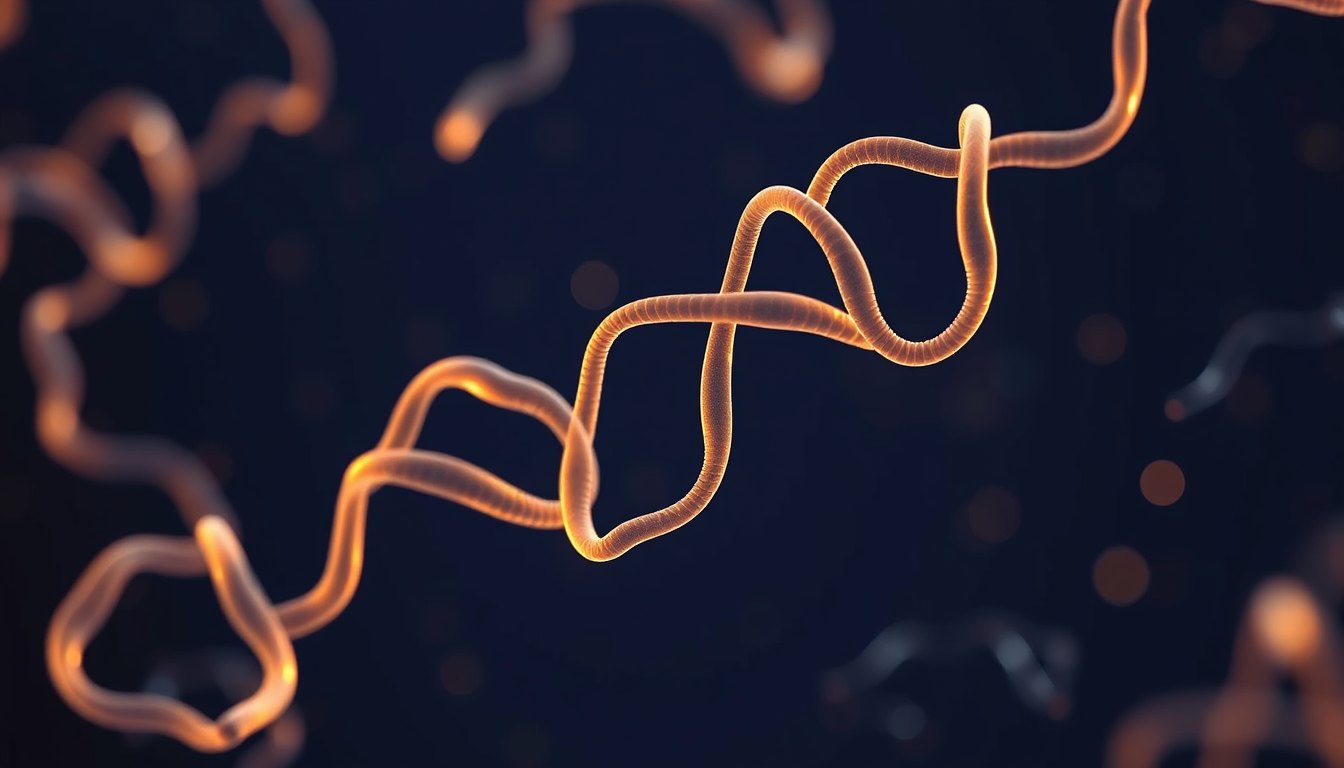
Dynorphin is an endogenous opioid peptide acting mainly at kappa opioid receptors. The largest interaction literature is alcohol: reviews describe dynorphin/kappa signalling changing with chronic alcohol exposure and stress. Feeding circuits involving prodynorphin neurons have been mapped in rodents. For caffeine and most supplement combinations, no dedicated dynorphin interaction study appears in the verified literature here; this page states that plainly and separates mechanistic reasoning from measured findings.
Dynorphins are endogenous opioid peptides derived from the prodynorphin precursor and acting preferentially at the kappa opioid receptor. A StatPearls overview of endogenous opioids described dynorphin alongside enkephalins and endorphins as one of the three classical endogenous opioid families, each generated from a distinct precursor protein and distributed across brain and spinal cord (PMID 30422494). Because dynorphin is a system that already exists in the body rather than a supplement that is combined with other supplements, "interactions" in the published literature almost always mean something different from drug-drug interaction studies: researchers examined how a substance such as alcohol altered dynorphin expression, release or kappa receptor signalling in animals or tissue, not how a dynorphin product interacted with another product.
This page is for educational purposes only and is not medical advice; consult a licensed physician for any question about health, substances or medications. Nothing here describes a protocol, and no combination is characterised as safe or unsafe.
How to Read the Interaction Evidence
The verified literature summarised below falls into three distinct tiers, and keeping them separate matters more for dynorphin than for most peptides.
- Direct experimental evidence: a study measured dynorphin, prodynorphin mRNA or kappa receptor activity after exposure to a substance. Alcohol is the clearest example.
- Circuit and physiology evidence: a study mapped prodynorphin-expressing neurons within a behavioural circuit such as feeding, without testing an external compound.
- Mechanistic reasoning only (labelled as such): no study in the verified set tested the pairing, and any statement is inference from receptor pharmacology rather than a measured result.
Where the third tier applies, this page says so rather than filling the gap with plausible-sounding narrative.
Dynorphin and Alcohol: What Studies Report
Alcohol is the single most developed interaction topic for dynorphin. A 2020 review in Brain Research examined dynorphin and its role in alcohol use disorder, synthesising preclinical work on the dynorphin/kappa opioid receptor system across brain regions implicated in escalated drinking and negative affective states during withdrawal (PMID 32114059). That review is the anchor citation for the proposition that dynorphin signalling is not a bystander in alcohol neurobiology but a system that researchers have repeatedly manipulated when studying alcohol-related behaviour in animals.
Stress as the connecting variable
A 2019 review in Alcohol Research: Current Reviews described biobehavioral interactions between stress and alcohol, covering stress systems that overlap with the dynorphin/kappa axis and how stress exposure and alcohol exposure influence one another at behavioural and neuroendocrine levels (PMID 31649835). Researchers studying dynorphin and alcohol frequently frame the question through this lens: kappa receptor activation has long been associated with dysphoric, stress-like states, so alcohol-related changes in dynorphin tone are typically studied in combination with stress manipulations rather than in isolation.
Epigenetic and gene-expression angles
A 2017 review in Alcohol surveyed epigenetic mechanisms in alcoholism and stress-related disorders, describing chromatin- and methylation-level regulation of genes relevant to alcohol exposure and stress responses (PMID 28477725). This matters for interaction questions because an exposure that changes transcription of an opioid peptide precursor produces effects on a slower timescale than acute receptor occupancy — a distinction the review drew out and one that researchers invoke when explaining why chronic and acute alcohol exposure can produce opposite-looking findings.
Broader opiate-behaviour context
The annual Peptides review series on endogenous opiates and behaviour catalogued the year's experimental findings across opioid peptide systems, including work linking opioid peptides to ingestive behaviour, stress and drug reward (PMID 29366859). For anyone trying to establish whether a given dynorphin interaction has been studied at all, that series functions as a running index of the preclinical literature.
Doing the math on a vial? The PeptideU app does reconstitution, units and dilution for you.
Try it freeDynorphin, Food Intake and Fasting
Feeding is the second substantial area. A 2026 study in Neuron described a dorsal hippocampus to prodynorphinergic dorsolateral septum to lateral hypothalamus circuit that mediated contextual gating of feeding in mice, identifying prodynorphin-expressing septal neurons as a node through which environmental context influenced eating behaviour (PMID 41687615). This is circuit-level evidence that dynorphin-expressing cells participate in feeding control; it is not evidence that a meal, a fast or a macronutrient changes circulating dynorphin in humans, and the study did not make that claim.
Related physiological context comes from a 2001 review in The Journals of Gerontology on decreased food intake with aging, which discussed the opioid feeding-drive system among the mechanisms proposed to explain the anorexia of aging (PMID 11730241). A 2017 review in Current Obesity Reports examined spontaneous physical activity as a defence against obesity, describing energy-balance regulation at the level of activity rather than intake alone (PMID 29101738).
What has not been tested
None of the verified papers reported a fasting protocol, a fed-versus-fasted comparison, or a macronutrient challenge measuring dynorphin levels in people. Statements that fasting "raises" or "lowers" dynorphin in humans are not supported by anything in this citation set. The honest summary is that the feeding link rests on rodent circuit mapping (PMID 41687615) and on opioid-system reviews of ingestive behaviour (PMID 29366859), not on human feeding trials.
Dynorphin and Caffeine
No study in the verified literature for this page examined caffeine and dynorphin together. There is no measured finding to report — not a positive one and not a negative one. Labelled as mechanistic reasoning only: researchers who discuss the pairing reason from the fact that caffeine acts primarily as an adenosine receptor antagonist while dynorphin acts at kappa opioid receptors, two distinct receptor families, so any interaction would be expected to occur at the level of shared downstream circuits rather than direct receptor competition. That reasoning is a hypothesis-generating statement, not a result. The general framework for endogenous opioid pharmacology on which such reasoning draws was set out in the StatPearls overview of endogenous opioids (PMID 30422494).
Tracking research? Log entries with dates, lots and notes — records, never plans.
Get the appOther Commonly Asked Combinations
Other neuropeptides
A 2020 review in Neuroscience and Biobehavioral Reviews examined neuropeptide modulation of addiction with a focus on galanin, describing how neuropeptide systems converge on reward and stress circuitry in preclinical addiction models (PMID 29949733). That review illustrates the general approach researchers take to peptide-peptide questions: convergence is studied at the circuit level in animals, not as a combination product in humans.
Reproductive endocrine context
A 2023 update in Endocrinology reviewed KNDy neurons of the hypothalamus — so named for their co-expression of kisspeptin, neurokinin B and dynorphin — and their role in GnRH pulse generation (PMID 38170643). This is the clearest example of dynorphin operating inside another signalling system: within KNDy neurons, dynorphin is one component of a pulse-generating mechanism rather than a standalone mediator. Readers asking whether dynorphin "interacts with" reproductive hormone signalling are, in effect, asking about this literature.
Inflammation, glia and neurological disease
A 2023 article in Frontiers in Neurology discussed opioids, microglia and temporal lobe epilepsy, examining how opioid signalling intersects with glial activity in epilepsy models (PMID 38249734). It is cited here as context for why opioid-peptide questions sometimes extend beyond neurons to immune cells in the brain, not as evidence about any supplement combination.
Non-pharmacological exposures
A 2004 report in Neuroscience Letters addressed acupuncture and endorphins, discussing the endogenous opioid framework used to interpret acupuncture research (PMID 15135942). It is included because questions about dynorphin and non-drug interventions recur, and because it shows the kind of endogenous-opioid framing researchers apply to such interventions.
Interaction Evidence at a Glance
| Pairing | Evidence tier | What the literature states |
|---|---|---|
| Alcohol | Direct review-level preclinical | Dynorphin/kappa signalling reviewed in alcohol use disorder (PMID 32114059) |
| Alcohol + stress | Review-level | Stress–alcohol biobehavioral interactions described (PMID 31649835) |
| Alcohol, gene regulation | Review-level | Epigenetic mechanisms in alcoholism and stress disorders (PMID 28477725) |
| Food / feeding context | Rodent circuit mapping | Prodynorphinergic septal circuit gated feeding by context (PMID 41687615) |
| Aging and intake | Review-level | Opioid feeding drive discussed in anorexia of aging (PMID 11730241) |
| Caffeine | None in this set | No study examined the pairing; mechanistic reasoning only |
| Reproductive axis | Review-level | Dynorphin within KNDy neurons and GnRH pulses (PMID 38170643) |
Want the full course? Every compound, evidence-graded and cited, inside PeptideU.
Start learning freeAdverse Events in Interaction Contexts: What Studies Report
The verified papers for this page are reviews, circuit studies and reference overviews rather than human combination-safety trials, so none of them reported an adverse-event table for dynorphin combined with alcohol, caffeine or any supplement. The 2020 Brain Research review discussed dynorphin/kappa signalling in the context of negative affective states associated with alcohol use disorder in preclinical models rather than reporting adverse events from an administered peptide (PMID 32114059), and the 2019 stress–alcohol review similarly described interacting biobehavioral systems rather than trial-level tolerability data (PMID 31649835). Readers should not interpret the absence of adverse-event reporting as a finding of safety; it reflects the type of study that exists.
Doses in the Cited Literature
No administered human dose of dynorphin is reported in any of the verified papers cited on this page. Because of that, this page states no dose, no duration and no administration route: the citation set cannot support them. The reviews summarised above — including the alcohol-focused review (PMID 32114059) and the endogenous opiates and behaviour series (PMID 29366859) — describe endogenous peptide systems and experimental manipulations in animals, which is a different thing from a dosing literature.
Doing the math on a vial? The PeptideU app does reconstitution, units and dilution for you.
Try it freeKey Takeaways
- Alcohol is the best-developed dynorphin interaction topic, reviewed specifically in the context of alcohol use disorder (PMID 32114059).
- Stress is routinely studied as a co-variable alongside alcohol in this literature (PMID 31649835).
- Feeding evidence is rodent circuit mapping involving prodynorphin neurons, not human nutrition data (PMID 41687615).
- No verified study examined caffeine and dynorphin together; anything said about that pairing is reasoning, not result.
- Dynorphin also operates inside the KNDy neuron system governing GnRH pulses (PMID 38170643).
References
- Dynorphin and its role in alcohol use disorder (Brain Research, 2020)
- Biobehavioral Interactions Between Stress and Alcohol (Alcohol Research: Current Reviews, 2019)
- Epigenetic mechanisms of alcoholism and stress-related disorders (Alcohol, 2017)
- A dorsal hippocampus-prodynorphinergic dorsolateral septum-to-lateral hypothalamus circuit mediates contextual gating of feeding (Neuron, 2026)
- Endogenous Opiates and Behavior: 2016 (Peptides, 2018)
- Biochemistry, Endogenous Opioids (StatPearls, 2023)
- Decreased food intake with aging (The Journals of Gerontology Series A, 2001)
- Spontaneous Physical Activity Defends Against Obesity (Current Obesity Reports, 2017)
- Neuropeptide modulation of addiction: Focus on galanin (Neuroscience and Biobehavioral Reviews, 2020)
- KNDy Neurons of the Hypothalamus and Their Role in GnRH Pulse Generation: an Update (Endocrinology, 2023)
- Opioids, microglia, and temporal lobe epilepsy (Frontiers in Neurology, 2023)
- Acupuncture and endorphins (Neuroscience Letters, 2004)
Frequently asked questions
What does the literature report about dynorphin and alcohol?▾
A 2020 review in Brain Research examined dynorphin and its role in alcohol use disorder, synthesising preclinical work on dynorphin/kappa opioid receptor signalling in brain regions linked to escalated drinking and negative affective states (PMID 32114059). A 2019 review described biobehavioral interactions between stress and alcohol, the framework researchers often use when studying this system (PMID 31649835). Both are reviews, not human combination trials.
Has any study tested caffeine with dynorphin?▾
No study in this page's verified citation set examined caffeine together with dynorphin, so there is no measured finding to report in either direction. Labelled as mechanistic reasoning only: caffeine acts mainly at adenosine receptors while dynorphin acts at kappa opioid receptors, two separate receptor families described in general endogenous-opioid overviews (PMID 30422494). That reasoning is a hypothesis, not a result.
Does food intake or fasting change dynorphin?▾
A 2026 Neuron study mapped a dorsal hippocampus to prodynorphinergic dorsolateral septum to lateral hypothalamus circuit that mediated contextual gating of feeding in mice (PMID 41687615). A 2001 gerontology review discussed opioid feeding drive within the anorexia of aging (PMID 11730241). Neither reported human fed-versus-fasted dynorphin measurements, so claims about fasting raising or lowering dynorphin are unsupported here.
Why is stress discussed alongside dynorphin and alcohol?▾
Researchers frequently study the two together because kappa opioid signalling has been associated with dysphoric, stress-like states. A 2019 review in Alcohol Research: Current Reviews described biobehavioral interactions between stress and alcohol across behavioural and neuroendocrine levels (PMID 31649835), and a 2017 review surveyed epigenetic mechanisms shared by alcoholism and stress-related disorders (PMID 28477725). Stress is treated as a co-variable, not a separate topic.
Does dynorphin interact with hormone systems?▾
A 2023 Endocrinology update reviewed KNDy neurons of the hypothalamus — cells co-expressing kisspeptin, neurokinin B and dynorphin — and their role in GnRH pulse generation (PMID 38170643). In that system dynorphin functions as one component of a pulse-generating mechanism rather than a standalone signal. The review described neuroendocrine physiology and did not test dynorphin combined with any external compound.
Are there adverse events reported for dynorphin combinations?▾
The verified papers here are reviews, circuit studies and reference overviews rather than human combination-safety trials, so none reported adverse events for dynorphin paired with alcohol, caffeine or supplements. The 2020 alcohol review discussed negative affective states in preclinical models rather than tolerability data from an administered peptide (PMID 32114059). Absence of adverse-event reporting reflects study design, not a safety finding.
Are human doses reported anywhere in this literature?▾
No. None of the verified papers cited on this page reported an administered human dose, duration or route for dynorphin. The reviews — including the alcohol-focused review (PMID 32114059) and the endogenous opiates and behaviour series (PMID 29366859) — described endogenous peptide systems and animal experiments. Because the citation set cannot support a dose, this page states none.
Track it. Calculate it. Actually understand it.
References
This page summarises published research for education — it is not medical advice, and nothing here is a recommendation to use, purchase, or dose any substance. Study parameters described are what researchers reported, not instructions. Consult a qualified clinician before any health decision.